Blog

  • IFC Plays Pontius Pilate, Dodges Accountability for Harmful Rubber Project in Liberia after Six Years

    IFC Plays Pontius Pilate, Dodges Accountability for Harmful Rubber Project in Liberia after Six Years

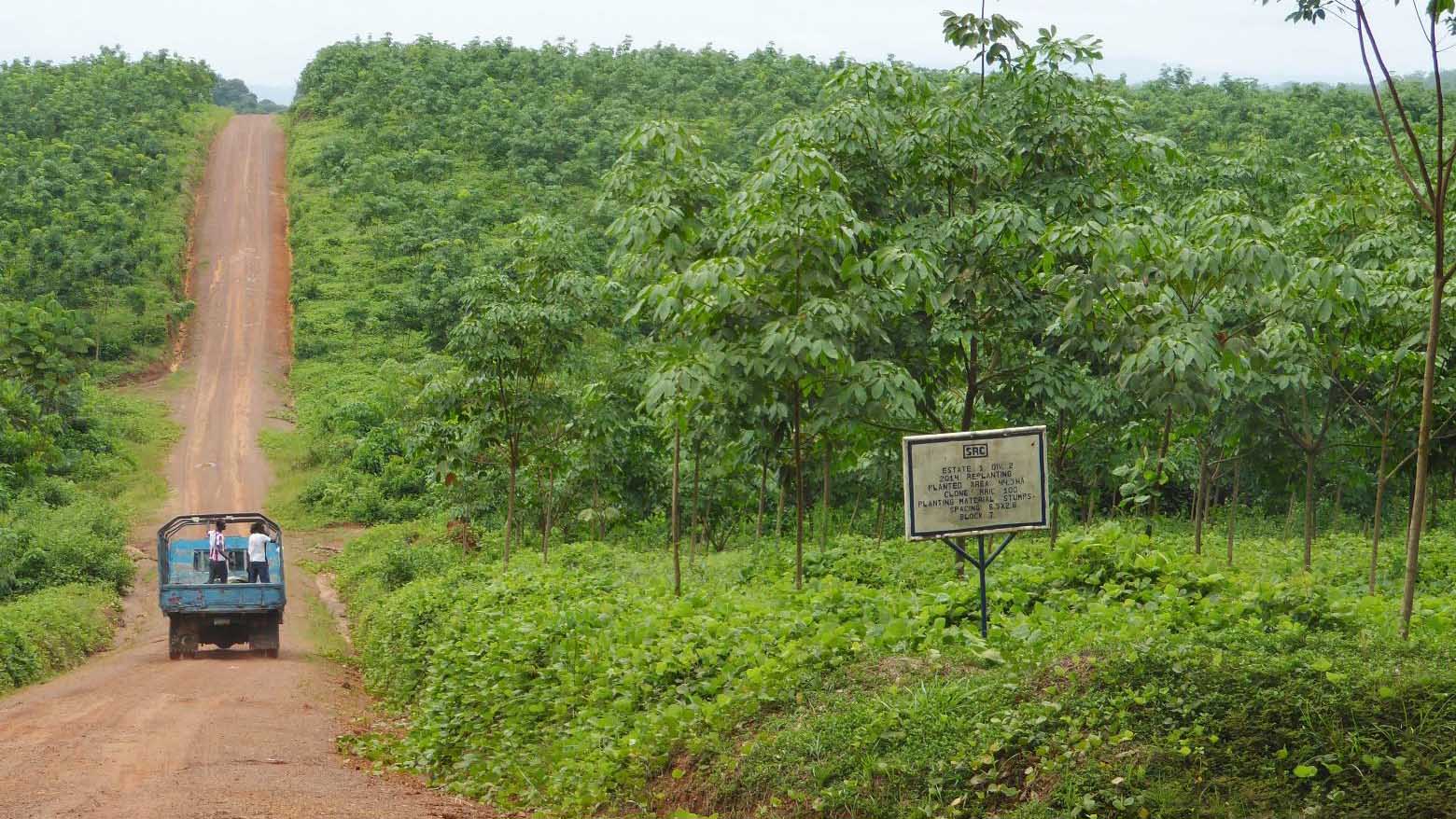
    In 2019, 22 communities in Liberia filed a complaint with the World Bank Group’s Compliance Advisor Ombudsman (CAO), accusing the International Finance Corporation (IFC) of fueling abuse and environmental destruction through a loan to the Salala Rubber Corporation (SRC). That loan helped SRC expand its rubber plantations—with devastating consequences.

    Nearly six years on, in March 2025, the CAO published its damning findings: the IFC failed to follow its own safeguards, enabling widespread harm to land rights, community health, and cultural heritage. Women suffered, with disturbing reports of sexual exploitation by SRC contractors who demanded sex in exchange for jobs or wages.

    But rather than take full responsibility, IFC Management responded with a weak action plan that – aside from a livelihoods fund that should provide some welcome livelihoods support to the impoverished populations of plantation-adjacent communities – leans on voluntary reforms by SRC’s former owner, Socfin, and its new buyer, Jeety.  Civil society groups say this move amounts to passing the buck.

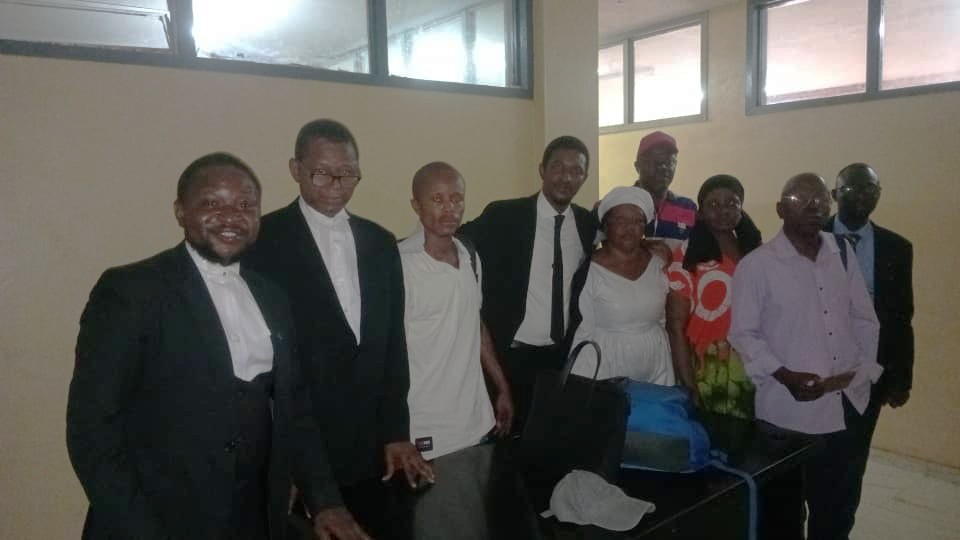
    “The CAO has validated the long-standing concerns expressed by local communities: that the International Finance Corporation (IFC) not only overlooked critical issues but also allowed its client to illegally seize land, contaminate vital water sources, and perpetuate various forms of violence and abuse,” stated Alfred Lahai Gabbai Brownell Sr., a lawyer representing the 22 affected communities and the winner of the 2019 Goldman Prize for Africa. “Now, the IFC is playing Pontius Pilate, washing its hands, asserting that it is powerless to take any corrective measures merely because the loan has been repaid. This is not a demonstration of accountability; rather, it constitutes a profound abandonment of responsibility towards those impacted.”

    The communities’ complaint details how SRC’s expansion left entire villages landless, razed crops without compensation, and disregarded ancestral land claims. Toxic chemicals leached into waterways. Women faced systemic sexual violence. And throughout, IFC continued to finance the project, despite knowing SRC lacked the capacity—or will—to protect people or the environment.

    The CAO agreed with almost all of the communities’ claims and urged IFC to commit to real remediation. But because the CAO can only make recommendations, it’s up to IFC Management to act—and so far, its response falls short.

    Key concerns with IFC’s response include:

    No accountability for land rights violations: IFC refuses to examine whether the plantation was built on land the government had no right to give away.

    No proper analysis of Indigenous identity: IFC sidestepped the question of whether the affected Kpelle communities are Indigenous, citing generalizations rather than facts on the ground despite an abundance of expert testimonies and very strong recommendations from the CAO.

    A shameful and diluted compensation plan: IFC proposes to create a livelihood fund that is spread across all surrounding communities—not just the 22 complainant villages—potentially weakening the communities’ support network and failing to address specific harms.

    Shrugging off responsibility: IFC claims it has no leverage since the loan was repaid and the plantation was sold. But the CAO clearly states IFC could have, and still might, use legal remedies to demand accountability from SRC.

    Delaying action: Claiming that the security situation in the communities is too unpredictable, IFC management has declared that the implementation of its assistance plan will be delayed until an undetermined date in the future.

    While we welcome the CAO’s clear and courageous findings—and hope the livelihoods fund offers some relief—we reject IFC’s decision to wash its hands, and walk away from the communities it helped harm. The burden of fixing this mess should not rest on the goodwill of private plantation owners. IFC must step up, accept responsibility, and ensure the communities finally get justice.

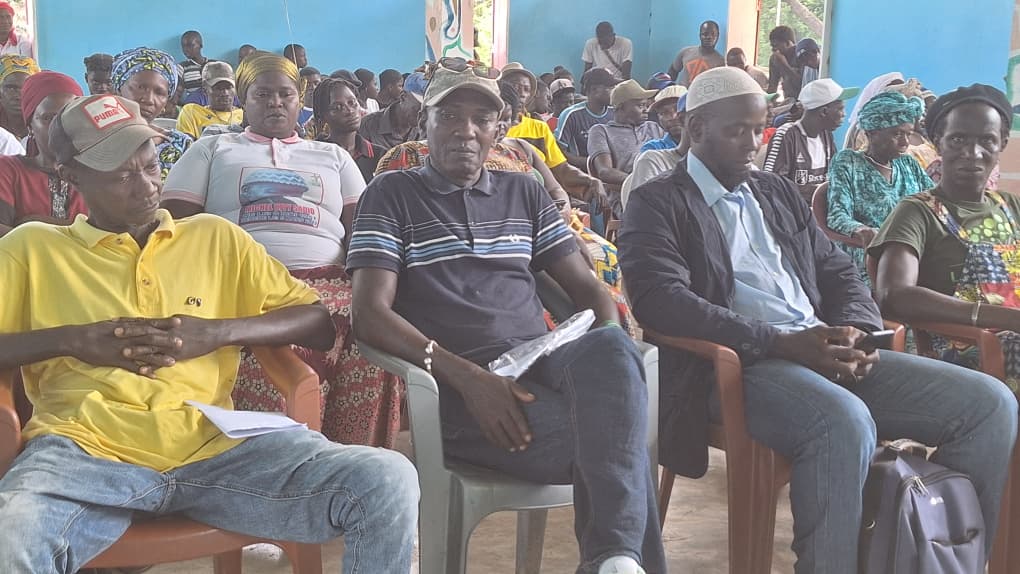
    The Affected Indigenous Communities are shocked and overwhelmed by their frustration and condemnation of the IFC and those voices are captured in this press statement as follows:

    Ma. Mattia Gbar, Chairlady, Martin Village: “We depend on our land and forest for everything, fishing, making farm, medicine for treatment when we are sick, and other activities, but since SRC took our land, everything is hard for us. So, why will they say we are not traditional people? Let them pay for everything they did to us.”

    Yeagbamah National Congress for Human Rights, a victim of SGBV, name withheld for her protection: “I and other women were asked for sex just to get or keep a job with the company. This is not just unfair—it is violence. It can hurt women and keep them afraid and silent. The IFC’s action plan talks about protecting people and fixing harm, but what about the women who suffered this violence and abuse? We want to see real action, not just promises. The IFC and the company must make sure this never happens again and that we women get justice. Respect for women must be part of the solution, said, SGBV victim from SRC.”

    Mr. James Gorgbor, Elder, Gorgbor Town: “Look, I have always said that IFC supported SRC to kill us on our own land. I worked for SRC for so many years until I fell sick, and the management left me on sick bed and paid me off without any benefit.  They took 95% of my land and destroyed all of the rubber I planned for my children. Their Management Action Plan is beating around the bush. What I can say is, let them pay for our crops according to the COA Compliance Report, because we don’t know who will implement the Management Action Plan.”

    David Shiffa, Elder, Shiffa Molley Villiage: Let IFC pay for all the harms. One thing I can say is we are traditional people and if IFC do not believe that, I think they should bring someone to check on the way we are living. We have lived here for so long practicing our culture, and we believe in our tradition.”

    Ma. Quetta George, Chairlady, Doakai Town: “The thing SRC did to us with this IFC money is not good. The company took the money and came on our land and cut our rubber down and planned their rubber. Today some of our rubber is among their rubbers and they’re tapping it. They did not pay for our rubbers, and they also destroyed our town. The CAO report says they must pay for it, they made a plan for the report, and who will work with the plan, because SRC is going, and Jeety says he bought the plantation.” So, let IFC pay for all our things the company spoiled and give our land back.”

    Pastor. Melton Gweh, Elder, Gleebah Town: “IFC told us that, since 2020 they have no contract with SRC, and the COA report says that IFC should work with SRC to address our complaint. IFC has come up with a Management Action Plan, who will implement the plan since SRC is going? We are calling on the IFC to be the ones to implement the plan in line with CAO recommendations.t”

    Equally disturbed and deeply betrayed by the IFC’s inadequate actions are also the leadership of the supporting organizations that tried to work with the IFC to resolve the violent abuses perpetrated by the IFC client. Those voices are also captured below:

    Francis Colee, Head of Program and Acting Director at Green Advocates International “While we can thank the IFC management for some of the actions they have taken to assist the victims in the Management Action Plan (MAP), it is disappointing that the IFC greatly undermined the victims’ ability to receive real benefits for the harm they suffered because of the IFC’s failure to effectively apply its own definition of Indigenous peoples, as clearly and succinctly provided in the IFC Performance Standards. This makes the IFC complicit in the harm these people suffered.”, Francis Colee, Head of Program and Acting Director at Green Advocates International

    Paul Larry George, Chairman, of Alliance for Rural Democracy (ARD): “I welcome the recommendations and findings of the CAO report and believe that the recommendations and findings are evidence of the voices and struggles of affected communities, who have long demanded justice for the harm caused by the IFC’s financing of SRC’s operations. I am deeply troubled that, despite overwhelming evidence of abuse, SRC has chosen to neglect responsibility for the damages caused by allegedly divesting the company to an Indian businessman Jetty, whom we believe will not uphold or take full accountability for implementing the IFC so-called MAP”.

    Windor B.K. Smith, Head of Secretariat, Alliance for Rural Democracy (ARD), “I believe that, IFC is hiding under the escape tactic of SRC to neglect its responsibility to the affected communities. I am calling on the IFC and its client, SRC, to take full responsibility for the harm caused to the lives of Indigenous communities and fully respond to the concrete recommendations and findings in the CAO report. True accountability requires more than a repaid loan that IFC speaks of. It requires compensation, recognition of Indigenous rights, and a clear plan for remediation. The ARD is very disappointed with the IFC MAP and is calling on the IFC to honor the CAO’s recommendations, work directly with the impacted communities, and ensure that justice is not delayed or denied.”

    Abraham N. Kamara, Chairman, Yeabamah National Congress for Human Rights (YNCHR): “I am calling on the IFC to take full responsibility of the harm done to us as Indigenous Communities. The Management Action Plan released by the IFC, does not address the complete recommendations proposed by the CAO, and we think this is unfair to us, because I have advocated for so long that I am now disabled from the blindness I suffered when the state and SRC security forces arrested me and sprayed a tear gas canister directly into my eyes.”

    Veronica B. Gray, Acting Head of Secretariat, Natural Resources Women Platform (NRWP), “The CAO report confirms what women in affected communities have been saying for years—we have lost land, our environment is damaged, and women have faced threats, harassment, and sexual and gender-based violence (SGBV) without protection or justice. These are not isolated incidents; they are the result of intentional, willful, reckless, and systemic negligence. The IFC cannot hide behind SRC’s divestment. Real accountability means compensation, recognition of rights, and direct action to repair harms. Anything less is injustice. We believe that justice that is delayed or diluted is, in effect, justice denied. The lives, dignity, and lands of Liberian communities must not be collateral damage for profit”,


    Contact information for Media Inquiries

    Jonathan Kaufman (Advocates for Community Alternatives): +1 617 645 4069, jonathan@advocatesforalternatives.org

    Francis Colee (Green Advocates International): +231-777-770-206, francis.colee@greenadvocates.org

    Paul Larry George (Alliance for Rural Democracy): +231-777-216-981, chairman.ard@gmail.com

    Windor B Smith (Alliance for Rural Democracy): +231-886-726-037, ard.headsecretariat@gmail.com

    Veronica Gray (Natural Resources Women’s Platform): +231-888-312-250, nrwomenplatform@gmail.com

    Abraham Kamara (Yeabamah National Congress for Human Rights: +231-775-071-272

    Ma. Quetta George (Doakai Town): +231-881-758-466

    Pastor. Melton Gweh (Gleebah Town): +231-886-933-720

    Mr. James Gorgbor (Gorgbor Town): +231-886-111-928
  • Bonsu community improves access to water through Oman yie die

    Bonsu community improves access to water through Oman yie die

    Access to clean water is no longer a distant dream but a growing reality at Bonsu, a farming community in the Nkoranza South Municipality of the Bono East region, thanks to a community-led initiative through the Facilitated Collective Action Process (FCAP).

    For years, residents of Bonsu, especially those living in the newly developed areas, have had to commute long distances in search of water from either a nearby stream or from a few individuals with mechanized boreholes in their homes daily. These residents, especially women and children would typically load a bicycle with jerrycans, push them for long distances, thereby negatively impacting their health.

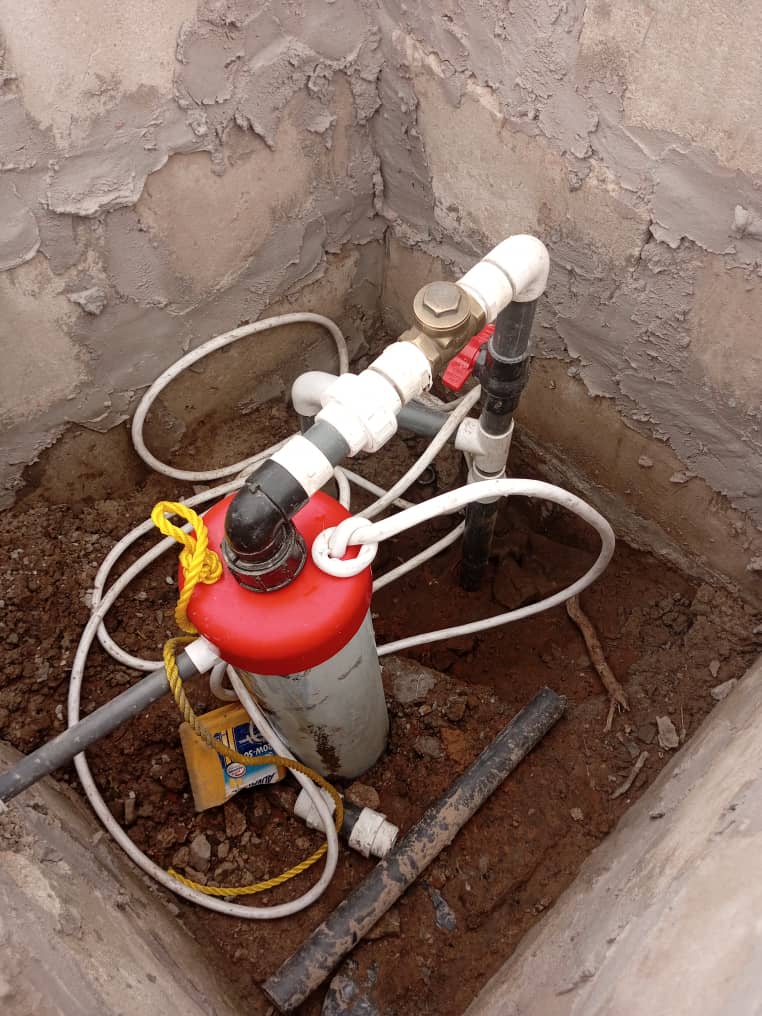
    To address this challenge, the people of Bonsu began working collectively to extend pipe-borne water directly to various homes in October 2024.

    This bold step toward improving public health and daily living conditions was made possible with a GHS 120,000.00 microgrant from Advocates for Community Alternatives (ACA).

    So far, the impact has been quite remarkable as 75 out of about 307 households have been connected to the water system while most of the remaining households are in the process of getting connected. The community envisages at least 87 households, representing 40% of the households would have access to pipe-borne water in one year’s time.

    This is expected to significantly reduce the burden of walking long distances for water and ensuring a safer, more convenient water supply.

    Sustainability

    Beyond improving access to water, the project is also strengthening the community’s financial sustainability.

    Any household that seeks to extend the water, contributes a token of GHS 200.00 to the Oman yie die Committee, creating a local fund that will be used to support other development priorities identified during the community’s visioning and goal-setting stage of the FCAP process.

    Sharing his enthusiasm about the project’s long-term impact, Mr. Ameyaw Franklin, Technical Advisor from the Nkoranza South Municipal Assembly, said: “I’m excited about the fact that water will not be wasted but rather stored and used efficiently to benefit residents. Even more importantly, the small contributions from households will help generate income that the community can reinvest in future development initiatives.”

    Ms. Juliet Fosuaa, the Community-Based Facilitator, also reflected on the journey with pride saying: “I’m really excited about the knowledge ACA equipped me with through the FCAP methodology. It gave me the skills to guide my community in developing a shared vision, and today, that vision is becoming a reality through this successful water extension project.”

    Community-led

    The Bonsu water extension project stands as a compelling example of community-led development in action, where local voices, local leadership, and shared responsibility come together to create lasting change.

    Advocates for Community Alternatives, an NGO operating in Ghana using the FCAP methodology, is extremely excited to watch communities own their development trajectory, hoping that government and other social actors will be interested in adopting this strategy towards community planning and development.

  • Nkwabeng community expands healthcare access

    Nkwabeng community expands healthcare access

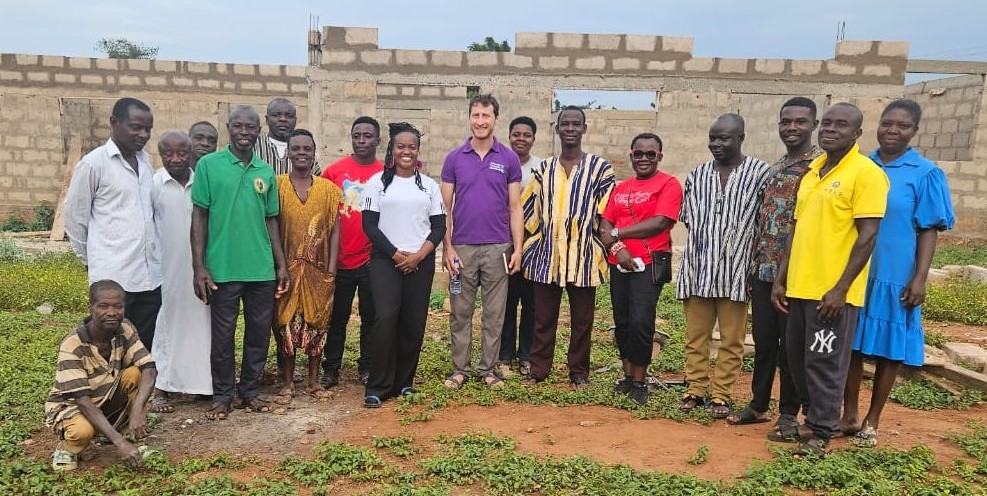
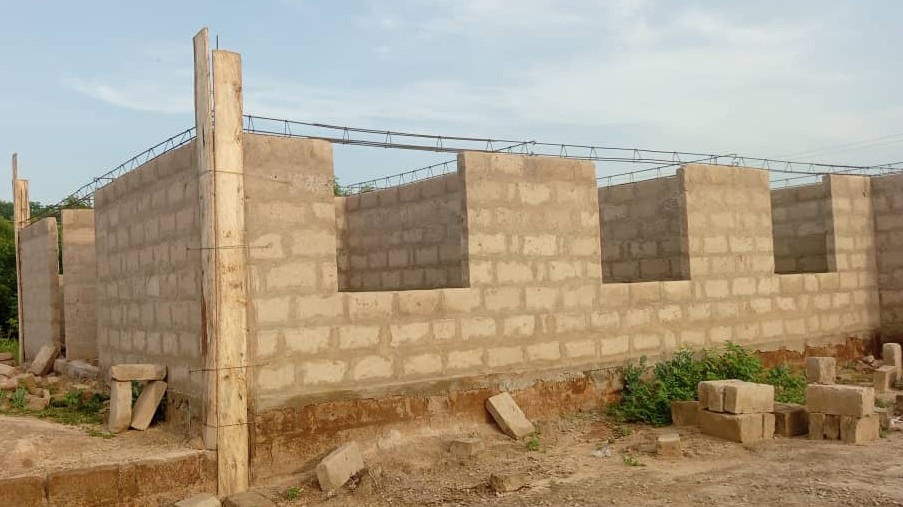
    Nkwabeng, a community near Nkoranza in the Bono East region, is taking bold steps to improve healthcare delivery by expanding its local Out-Patient Department (OPD), a project driven by the community’s vision for accessible, quality health services.

    Through Facilitated Collective Action Process (FCAP), community members collectively identified the need to expand the OPD section of their health center to ease congestion and improve health outcomes.

    The expansion work began in November 2024 and has since reached the lentil level, with roofing works set to begin soon.

    Advocates for Community Alternatives (ACA), a non-governmental organization, is supporting this project with a Gh.c 120,000.00 microgrant. 

    The grant has empowered the community to lead and manage the project, ensuring that the intervention reflects local priorities and promotes long-term sustainability. 

    Mr. Herthson Kumah, FCAP Chairman for Nkwabeng, expressed his enthusiasm for the project.

    “We are very excited about this initiative. I am especially glad that ACA, through the Municipal Assembly of Nkoranza South, chose our community as a beneficiary of the Oman yie die project. This OPD extension will go a long way to improve healthcare access for everyone in Nkwabeng and nearby communities.”

    Mr. Osei Nimako, Program Manager, also shared his thoughts about the project’s impact when completed and praised ACA’s model of community empowerment.

    “I am very hopeful this project will serve the community well. I commend ACA for its consistent efforts in promoting community-driven development and facilitating spaces where communities like Nkwabeng can lead their development initiatives.”

    Once completed, the expanded OPD is expected to significantly reduce waiting time, improve service delivery, and create a healthier environment for both patients and healthcare workers. 

    This project highlights the power of community-led development and the importance of supporting local voices and leadership in driving lasting change.

    Nkwabeng’s progress stands as a strong testament to what is possible when communities are equipped with the requisite knowledge to lead their development initiatives.

  • ACA trains 40 communities on Mining and Land Rights

    ACA trains 40 communities on Mining and Land Rights

    Advocates for Community Alternatives (ACA) continues to equip West African communities with the legal knowledge they need to protect their land and natural resources. In a recent initiative, ACA hosted a three-day legal training for representatives from 40 communities across Ghana, strengthening their understanding of mining and land governance.

    The training followed a needs assessment survey by ACA’s Legal Department, which revealed widespread legal threats facing community members – particularly around land acquisition and mining activities. In response, ACA brought together 50 Community-Based Facilitators (CBFs), Facilitated Collective Active Process (FCAP) executives, and other community representatives to participate in a hands-on learning session.

    The ACA Legal Team, which facilitated sessions on Ghana’s mining and land regulatory frameworks, explained key legislations, including the Minerals and Mining Act, 2006 (Act 703), its amendment Act 900 (2015), and other relevant laws such as the Minerals Development Fund Act, 2016 (Act 912), the Minerals Income Investment Fund Act, 2018 (Act 978), and the Kimberley Process Certification Act, 2003 (Act 652).

    The team further emphasized that any individual intending to search for, prospect, or mine minerals must first obtain a mineral right through the Minerals Commission, with approval from the sector minister. The law requires notification to relevant chiefs, allodial owners, and District Assemblies, including clear communication of the affected land area.

    On land ownership, the Land Act 2020 (Act 1036) was highlighted as the key legislation addressing ownership, acquisition, and registration and underscored the importance of land registration in preventing disputes and protecting legal rights.

    The ACA Legal Team also cited the Lands Commission, Office of the Administrator of Stool Lands, and Traditional Authorities as the primary institutions involved in land governance.

    Participants expressed appreciation for the training and requested similar workshops in their communities.

    “This training was insightful. I wish my whole community could have been here to benefit,” one participant shared.

  • A transformative journey of learning, connection, and impact

    A transformative journey of learning, connection, and impact

    A Sora Kaufman Fellow, Margaret Afia Konadu, maintains that her experience with the program remains a cornerstone of her personal and professional journey as it has reinforced her belief in the power of collaboration, adaptability and empathy to drive meaningful change. 

    According to her, the one-month in-house training and community engagement experience as part of the Fellowship was a unique blend of personal growth, professional development, and meaningful connections. It offered a holistic approach to building leadership and entrepreneurial skills while fostering a deeper understanding of community-driven development.

    Sharing her experiences with the SK Fellowship, she applauded the training session organized for the six pioneering members of the Fellowship, noting that it covered a wide range of topics that were not only educational but also deeply practical.

    “Sessions on financial management provided valuable insights into resource allocation and sustainability, which I plan to incorporate into the operations of Margees Craft and Training Center. Discussions on self-discipline emphasized the importance of personal accountability, an attribute that is vital in both professional and personal spheres”, she said.

    Interactive moments

    “We had the privilege of interacting with notable leaders like Captain Prince Kofi Amoabeng, whose experiences and wisdom underscored the importance of ethical leadership and resilience in the face of challenges.”

    Touching on the session on “balancing family and work”, Madam Afia Konadu said it was a crucial topic for anyone striving to excel professionally without neglecting personal responsibilities, adding that: “These discussions were complemented by practical topics such as monitoring and evaluation, which emphasized the importance of tracking progress and ensuring impact in all projects, and local governance and advocacy, which illuminated the role of community stakeholders in driving sustainable change.”

    Community engagement

    “Beyond the classroom, the community engagement at Bepoase was a transformative experience. The warm reception by Ma Selina and the local leaders was a reminder of the strength and resilience of grassroots communities. Observing ongoing development projects like the mechanized borehole and witnessing the role of community leaders reinforced the value of collaboration and stakeholder ownership in achieving meaningful change.”

    “Equally significant were the bonds formed during this journey. Whether it was through shared meals, heartfelt conversations, or participating in local activities, every interaction strengthened the sense of camaraderie among participants. These relationships have not only enriched my network but have also inspired a deeper commitment to fostering collaboration in my professional endeavors.”

    Challenges

    Madam Afia Konadu also made some observations regarding some challenges she encountered during the program.

    She mentioned some of them as “logistical difficulties and limited interaction time due to community activities.”

    “These obstacles became opportunities to practice adaptability and problem-solving, skills that are essential in leadership roles.”

    Knowledge gained

    It is instructive to note that the knowledge and insights she gained during this experience have already begun to shape her vision for Margees Craft and Training Center.

    She said the emphasis on community engagement and sustainable solutions will drive her efforts to expand weaving and skill development programs while the lessons on monitoring and evaluation will enhance our ability to measure impact effectively, ensuring that our initiatives truly address the needs of our beneficiaries.

    “As I move forward, this. The lessons learned, bonds formed, and memories created will continue to inspire me to lead with purpose and resilience in every endeavor.”

  • Enduring multiple hazards due to railway construction: The sad story of the Sekosuria Community

    Enduring multiple hazards due to railway construction: The sad story of the Sekosuria Community

    The Sekosuria community, located in the Forécariah Prefecture within Guinea’s Kindia Region, continues to suffer the consequences of an ongoing railway and port construction project near the Morebayah estuary, just a few kilometers away. What was once a quiet rural area is now plagued by environmental disruptions that threaten livelihoods, safety, and health.

    Tunnel construction causing alarm

    A tunnel currently being excavated as part of the Simandou iron ore railway project — around 11.8 kilometers from the Kuru Mountains, south of the Fouta Djallon Highlands — is a major source of concern. Residents report persistent blast noise and ground vibrations from the railway work, which they say are damaging their homes.

    Cracks in buildings and a collapsing Health Post

    Community members shared that the constant blasting has caused cracks in both old and newly built structures, weakening them significantly and turning them into potential death traps. During a recent visit, residents pointed out multiple affected buildings, including one that reportedly collapsed due to vibrations.

    Even a newly constructed health post — a critical resource donated to the community — has developed widespread cracks, raising serious safety concerns.

    Noise and water pollution add to woes

    Beyond the structural damage, noise pollution is a daily challenge. The community also reported pollution of their main river, allegedly due to sewage discharge from the construction camp. This issue is particularly noticeable during the rainy season, when runoff becomes more intense.

    Dust pollution is another pressing concern. Construction-related vehicles, often moving in convoys, generate thick clouds of dust on the access roads. According to residents, “You must park off the road for them to pass.” They also noted that mud from bridge construction sites is washing into fertile farmland, threatening the stream that supports their vegetable cultivation.

    About the project

    The construction work is part of the Simandou iron ore project, one of the world’s largest undeveloped iron ore reserves. The project, spearheaded by the Winning Consortium Simandou (WCS), involves building a 650-kilometer railway from the Simandou mountain range to a new port near the coast. While the project promises significant economic benefits to Guinea, its environmental and social costs are becoming evident in communities like Sekosuria.

    Despite repeated complaints, residents say their grievances have been ignored by both the project authorities and government officials. As of the time of reporting, attempts to obtain comments from the Winning Consortium Simandou and relevant government representatives have not been successful.

    What can be done?

    Community members are calling for urgent attention and action. Potential steps that stakeholders can take include:

    • Conducting independent environmental and structural impact assessments in affected communities.
    • Providing compensation to families whose homes or farmland have been damaged.
    • Establishing a formal grievance mechanism that allows community members to report issues and receive responses.
    • Implementing dust and wastewater control measures to mitigate environmental damage.
    • Improving communication and transparency between the community, construction teams, and government officials.

    As development projects like Simandou progress, the voices of local communities must not be drowned out by the noise of construction. Without mitigation and inclusion, infrastructure meant to drive national progress could leave some communities behind — or buried beneath it.

  • Eric Anorrey extols SK Fellowship’s positive influence on him

    Eric Anorrey extols SK Fellowship’s positive influence on him

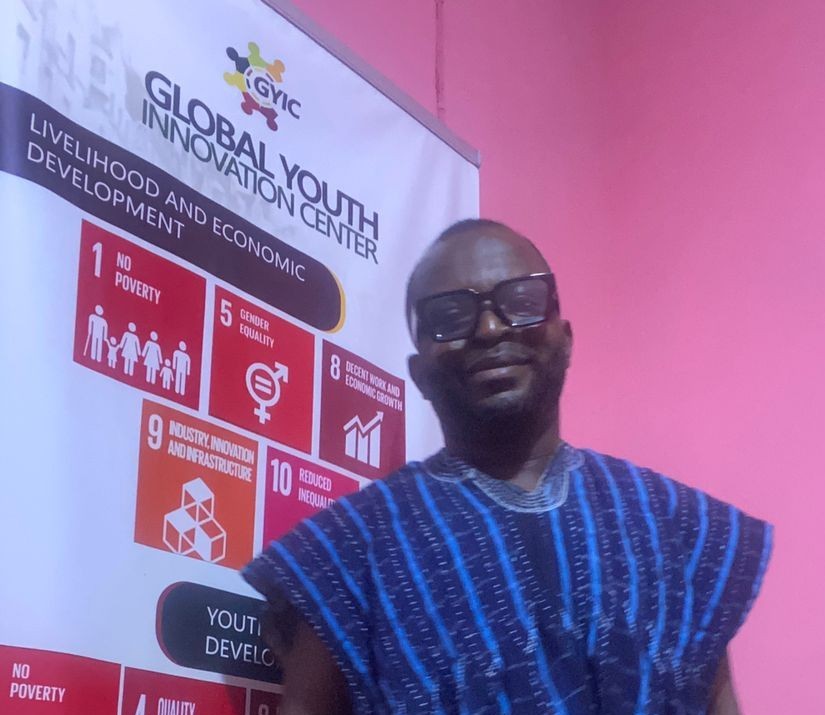
    “The Sora Kaufman Fellowship has set a solid foundation for my leadership in the civil society space, enhancing my adaptability and teamwork, and strategic thinking in leading Global Youth Innovation Center (GYIC) for community impact”, Eric Anorrey, a proud member of the Sora Kaufman Fellowship.

    The 37-year-old Project Manager for the Livelihood and Environment Ghana (LEG) describes his experience with the SK Fellowship as “immersive, focusing on key areas vital for driving social impact.” 

    Mr. Anorrey, who currently leads the STAR Ghana Volunteerism Project in Atebubu in the Bono East Region has been throwing some light about his encounter with SK Fellowship as captured below.

    My name is Eric Anorrey, a Ghanaian with a Bachelor of Arts in Development Education from the University for Development Studies in 2014. I work towards a just society where resources and opportunities are distributed fairly while the populace are recognized as the key actors in their own development rather than passive recipients of commodities and services. My community work has been guided by empathy and compassion, accountability, integrity and transparency, respect for diversity and inclusion, cultural sensitivity and self-reflection and continuous learning. I have a particular interest in youth development that fosters skilled youth population and empowers vulnerable women for decent employment and improved livelihoods that protects their human rights and dignity, as well as rural development and environmental management and sustainability.

    My one-month intensive training with the Sora Kaufman Fellowship provided an invaluable experience in shaping my leadership and professional development skills, as well as a period of transformation and enrichment for me and my community work.

    I have enjoyed the knowledge from renowned experts in leadership, governance and other topics like networking, advocacy, and grant writing which have provided me with tools and insights to lead more effectively, develop collaborative relationships, and sustainably develop professionally and impact more communities through my work. I found the balance between theoretical knowledge and practical application to be very impactful.

    Furthermore, the peer networking established during my one-month stay has proven to be a valuable resource for future collaboration and growth. The opportunity to learn and share experiences with colleagues from different regions and organizations has proven to be very valuable, and fostered a collaborative learning atmosphere, giving me different perspectives to confront real-world challenges that create change in communities.

    My encounter with the residents of Addo Nkwanta during our two-day community stay was outstanding. This influenced my perspective on community-driven development efforts and valuable feedback from the residents.

    Fellows will always remember our field trips with the Advocates for Community

    Alternatives’ team, as well as the good times that came with them.  From reception to departure, we had amazing experiences together, creating an inclusive and diverse environment for all fellows.

    Our dinner night was a mix of happy and sorrowful moments as fellows said goodbye to one another and waved at their final residential night.

    The Sora Kaufman Fellowship has set a solid foundation for my leadership in the civil society space, enhancing my adaptability and teamwork, and strategic thinking in leading Global Youth Innovation Center (GYIC) for community impact. The sessions focused on adaptable leadership, and effectively managing diverse teams. Practical case studies reinforced my abilities for dealing with real-world organizational challenges.

  • SK Fellowship is a transformative experience – Benedicta Naa Odarkor Lamptey

    SK Fellowship is a transformative experience – Benedicta Naa Odarkor Lamptey

    The Sora Kaufman Fellowship is undoubtedly making positive impacts on the lives of the first six beneficiaries as it continues to establish a network of Africa leaders and practitioners in the field of community-driven development and advocacy.

    The Fellowship is a flagship program of Advocates for Community Alternatives (ACA), an Accra-based NGO operating in Ghana and other African countries.

    “It’s been enriching and a transformative experience” Benedicta Naa Odarkor Lamptey, one of the fellows noted as she was reflecting on her journey with the Sora Kaufman Fellowship.

    “What started as a professional development opportunity quickly became a journey of personal growth, fostering valuable lessons, forging deep bonds, and laying the foundation for a future built on impactful leadership”, she added.

    Please find Benedicta’s personal accounts of her stings with the SK Fellowship program below:

    One of the most profound lessons I learnt during this fellowship was the importance of empowering communities to champion their own development – a model of development that encapsulates what endogenous development theories advocate for. Prior to this training, I had always understood the concept of development in a top-down manner approach, where decisions are often made by experts at the top, without necessarily considering the input or the needs of the community at the bottom/down. However, through this fellowship, I was introduced to the power of effectively involving communities at the grassroots level in identifying and solving their challenges, through participatory engagement approach (PEA), thereby making the communities to own the solutions to their challenges/problems and confronting them.

    The learning sessions and the field activities like the community visits to Dadetsunya and Ahinkwa Sisi where ACA’s projects are underway and the two-day community stay at Addo Nkwanta showcased how communities, when empowered with the right knowledge and tools, can drive sustainable solutions that are rooted in their cultural aspirations, culture, needs, and available resources. This shifted my perspective on development and showed me how essential it is to build solutions that are not only effective but also community centered.

    One of the most impactful aspects of the fellowship was the opportunity to develop leadership skills. The various leadership training sessions, both in the classroom and our time with Captain (Rtd) Prince Kofi Amoabeng, forced me to examine my approach to leadership. I discovered the value of active listening, empathy, and collaboration. I also learnt that leadership is not just about directing or instructing others but about inspiring and empowering them. During the training session with Captain Amoabeng, I learnt that leadership requires self-discipline. By working alongside passionate peers who brought their unique perspectives, I was constantly challenged to grow in my thinking, and in turn, this experience allowed me to reflect on my own values and how I can lead with integrity, humility, and purpose. 

    The fellowship also provided me with the unique opportunity to forge strong bonds with fellow participants. I was ushered into a cohort of other fellows like Solomon, Comfort, Margaret, Martin and Eric. We came from diverse backgrounds, yet we shared a collective vision of making a positive impact on our respective communities, culminating in the formation of an unspoken connection built on mutual respect and shared aspirations. We supported one another and celebrated each other’s successes, (reflecting on Martin’s success story). These relationships will continue to be a source of strength and inspiration as I navigate the path ahead. The fellowship created a community within itself—one that encouraged openness, growth, and collaboration.

    In terms of impact, the knowledge and skills I have acquired since I joined this fellowship continue to influence my work in significant ways. For instance, in my current role as a Project Lead for Community and Family Aid Foundation, I am now equipped with tools that allow me to engage communities more effectively, ensuring that the people we serve have a voice in shaping solutions that directly affect them. Whether it’s designing programs, drafting policies, or executing projects, I now have the confidence and understanding to approach challenges in a more inclusive and sustainable manner. The emphasis on community-driven development will guide my efforts in fostering collaboration between stakeholders, ensuring that the solutions we create are both relevant and lasting.

    Looking toward future roles, the lessons I have learnt will shape my approach to leadership. As I progress in my career, I plan to implement a more participatory style of leadership, where I encourage the people, I work to contribute ideas and solutions rather than simply executing directives. I will also advocate for community-driven models in any new projects, understanding that true sustainable development can only occur when the community is at the heart of the process.

    The Sora Kaufman Fellowship has not only equipped me with invaluable skills but has inspired me to lead with greater empathy, foresight, and integrity.

  • Sora Kaufman Fellowship has inspired me a lot – Rasheed Musah

    Sora Kaufman Fellowship has inspired me a lot – Rasheed Musah

    Martin Rasheed Musah, a pioneering member of the Sora Kaufman Fellowship Program, has been sharing his experiences since he joined the program in October 2024.

    Rasheed Musah, who is based in Bolgatanga in the Upper East Region of Ghana and works with CommunityAID Integrated Ghana, says his association with SK Fellowship has provided a unique opportunity for him as an aspiring development practitioners based on the broad composition of activities designed to enhance his understanding and capacity for utilizing the CDD approaches to community development.

    Below is Rasheed Musah’s personal account of how he has been impacted by the SK Fellowship Program.

    I will categorize my experiences in two forms – personal and professional growth.

    The SK fellowship training was a platform that enhanced my know-how in the CDD approach based on its similarity to Asset-Based Community Development (ABCD) with additional knowledge from the training. Carefully studying its implementation approach revealed that it ensures mutual partnership (formal and informal) between the community and ACA before the implementation of a community project, this establishes a contract among parties. In this regard, it enhances participation, accountability, transparency, and project ownership by community beneficiaries.

    Presentations on various professional topics related to community development had an impact on my capacity ensuring I learned more about the current trends in global development work. The presentations were more interactive and professional, allowing for rapid bonding among colleagues, staff of ACA, and facilitators.

    The two-day community stay activity during our in-house training session was a very impactful experience. It was an opportunity to have firsthand experience of projects implemented using the CDD methodology. The intrinsic observation was the power of communication among stakeholders; thus, stakeholder engagements were collaborative and mutual thereby the adverse effect being a smooth project implementation. The community enhances its community leadership system by using the CDD approach this was observed.

    Nonetheless, part of my experience was a wake-up call to more work yet to be done, a careful observation coupled with interactions with community members revealed challenges requiring collective action to mitigate them including low enrolment of young girls in the community in schools. Interestingly and not surprising is the high rate of teen mothers, hence, teenage pregnancies in the Addo-Nkwanta community. Additionally, there is a need to increase opportunities for women’s participation in the developmental affairs of the community despite the subtle involvement observed during our stay.

    It is important to highlight the moments with our host families such are unforgettable and indelible in my life. The food, care, and concern from both host family members, and community members’ reception is one of the unique experiences compared to the numerous others. I established a bond within 48 hours of my stay in Addo-Nkwanta admittedly the beautiful people we encounter in the line of work have been my motivation for being in development work.

    Cumulatively, my experiences have affected my knowledge base with a positive impact. First, I will consider the CDD methodology a vital tool in my line of practice or work. To ensure this workout, intensive community stakeholder engagements play a significant role in project implementation. Establishing a mutual formal partnership by way of a contract with the community will ensure effective and efficient project implementation as well as leverage available resources within and externally.

    In a nutshell, I can’t conclude without acknowledging the network I have established throughout the in-house stay. In a twinkle of a while I got to build a network (may I say “community”) of practitioners with healthy bonds personally and professionally. I am humbly honored to be part of this great opportunity to be a fellow, especially among the first cohort and look forward to being a continued part of this program.

    Thank you

    Martin Rasheed Musah


  • Bosuso soap making factory poised for economic turn-around

    Bosuso soap making factory poised for economic turn-around

    Residents of Bosuso in the Fanteakwa South District are on course to realizing their dream of providing employment opportunities for themselves, ⁠increase individual daily savings and ⁠improve daily square meals among households by at least 10% in one year.

    This follows the successful completion of their black soap production factory constructed in partnership with the Fanteakwa South District Assembly in the Eastern Region and Advocates for Community Alternatives (ACA), a non-governmental organization, which helps West African communities that are threatened by the destructive impacts of extractive projects to take control of their futures.

    By way of creating sustainable livelihood opportunities for themselves the Bosuso community took advantage of a $9,000 microgrant by ACA under its Facilitated Collective Action Process (FCAP) implemented in partnership with the district assembly. 

    To fully operate the factory and improve their living standards, some community members have undergone training on black soap production to quip them with the requisite skills to kick-start production as early as possible.

    KAEME, a premium Ghanaian company specializing in personal care products such as shea soufflé, liquid black soap, among others, facilitated the training program for the participants at the newly built soap factory.

    Freda Obeng-Ampofo, the Founder and Chief Mixer of Kaeme introduced the participants to the various aspects of black soap production.

    From all indications, the Bosuso community is mor than ready for the smooth take off of the project as the people have acquired required items and the basic ingredients for black soap production. 

    “This is very dear to our hearts and we’re extremely excited to venture into such a monumental project which has the potential to turn our socio-economic fortunes around in future and so we’re leaving no stone unturned to make things work for our own good”, said Mr. Maxwell Owusu Bannerman, a Community Member.