Blog

  • Freetown hosts conference on African-focused climate, environmental and natural resources rights and protection

    Freetown hosts conference on African-focused climate, environmental and natural resources rights and protection

    Members of the Public Interest Lawyering Initiative for West Africa (PILIWA), a regional movement of lawyers driven by social justice to serve threatened communities, have rounded up their conference in Freetown, Sierra Leone.

    It was a collaborative conference for PILIWA, Environmental Rights Africa (ERA), Africa Climate Platform (ACP) and Mano River Union Civil Society Platform (MRUCP) to share updates on their activities and explore further ways of supporting each other.

    Exchange of contextual experiences, legal advocacy, strategic planning and enhancing regional collaboration and collective advocacy for environmental justice were some of the key issues that took center stage during the conference.

    Among others, the conference called for strengthening regional networks and collaboration by formalizing and expanding the collaborative networks.

    The conference emphasized the strengthening of PILIWA as a regional hub for public interest lawyers to coordinate on environmental cases while the Mano River Union Civil Society Platform on Natural Resources should be enhanced to step up cross-border advocacy.

    It further called for the establishment of regular communication channels through focal persons (monthly calls, online forums) and annual meet-ups to sustain the momentum in view of the fact that through the sharing of information and tactics in real time, activists could respond faster and more effectively to emerging environmental threats.

    The conference provided PILIWA an opportunity to share its experiences in the West African sub-region about some successes and challenges over the years, especially on access to information and enforcement of judicial decisions.

    These experiences were well received as participants considered them very relevant to their respective organisations and therefore had further deliberations regarding them.

    Participants also focused their attention on protecting environmental defenders and resolved to develop and implement measures to protect them and other activists who face risks due to their work.

    The conference therefore recommended that African governments, in partnership with civil society, should establish protocols or focal points for defender protection – such as emergency contact networks or rapid response units to investigate and address threats or abuses against activists.

    The conference also called for the establishment of solidarity networks, where defenders in different regions support each other’s safety through visibility and advocacy, should be nurtured.

    Touching on capacity building, the conference emphasized the need to invest in continuous capacity building for those working on environmental rights. This includes training more community paralegals and public Interest lawyers at the grassroots to empower local communities with legal knowledge. Workshops and exchange programs for lawyers and NGO staff should be organized, covering topics like environmental law litigation techniques, scientific evidence collection, and negotiation skills.

    Participants further recommended the creation of mentorship programs where seasoned public interest attorneys can guide younger lawyers in developing strategic cases.

    Another area of concern to the participants was community engagement and public awareness. Here, they stressed the need to enhance efforts in community engagement and raising public awareness on environmental rights.

    They emphasized the need to amplify environmental education at the community level— through local workshops that explain rights in local languages and through school programs that teach youth about conservation and climate change.

    The participants called on NGOs and community groups to employ creative media (community radio, theater, storytelling) to make complex issues understandable and relatable.

    On the promotion of corporate accountability mechanisms, participants encouraged the adoption of robust corporate accountability mechanisms and proposed to African states to tighten environmental regulations—for instance, by requiring companies to post reclamation bonds for mining (so funds are available for cleanup), and by increasing fines or penalties for violations to truly deter harmful practices.

    The conference encouraged civil society to advocate for governments to sign on to international initiatives for openness in oil, gas, and mining revenues, and to support the development of a binding international treaty on business and human rights.

    A further recommendation by the conference is the setting up of independent monitoring bodies, possibly with civil society participation, that can conduct audits of corporate environmental performance. Meanwhile, NGOs can make use of existing tools like the OECD complaint procedure or bring cases to international platforms when local remedies fail; building expertise in these processes is advised. Naming and shaming through public campaigns remains a powerful tool—creating “scorecards” or reports ranking companies on environmental criteria can pressure them to improve.

    Some of the key outcomes of the conference centered on Natural Resource Governance as participants underscored the critical need for transparent, accountable management of natural resources and advocated robust legal frameworks that guarantee community participation and equitable benefit sharing.

    On legal advocacy and litigation, the conference agreed to develop and disseminate legal toolkits for public interest litigation as a way of empowering communities to hold both state and corporate actors accountable for environmental degradation and human rights abuses.

    Participants further resolved to form a coalition to monitor and report environmental abuse by multinational corporations, ensuring that companies are held to internationally recognized standards and face appropriate legal consequences to ensure corporate accountability.

    They also reiterated that climate justice is not merely a legal issue but a moral imperative and endorsed the formulation of a comprehensive policy package, which includes lobbying for increased climate finance, enhancing adaptation strategies, and ensuring that the principles of equity and justice guide all climate-related policymaking.

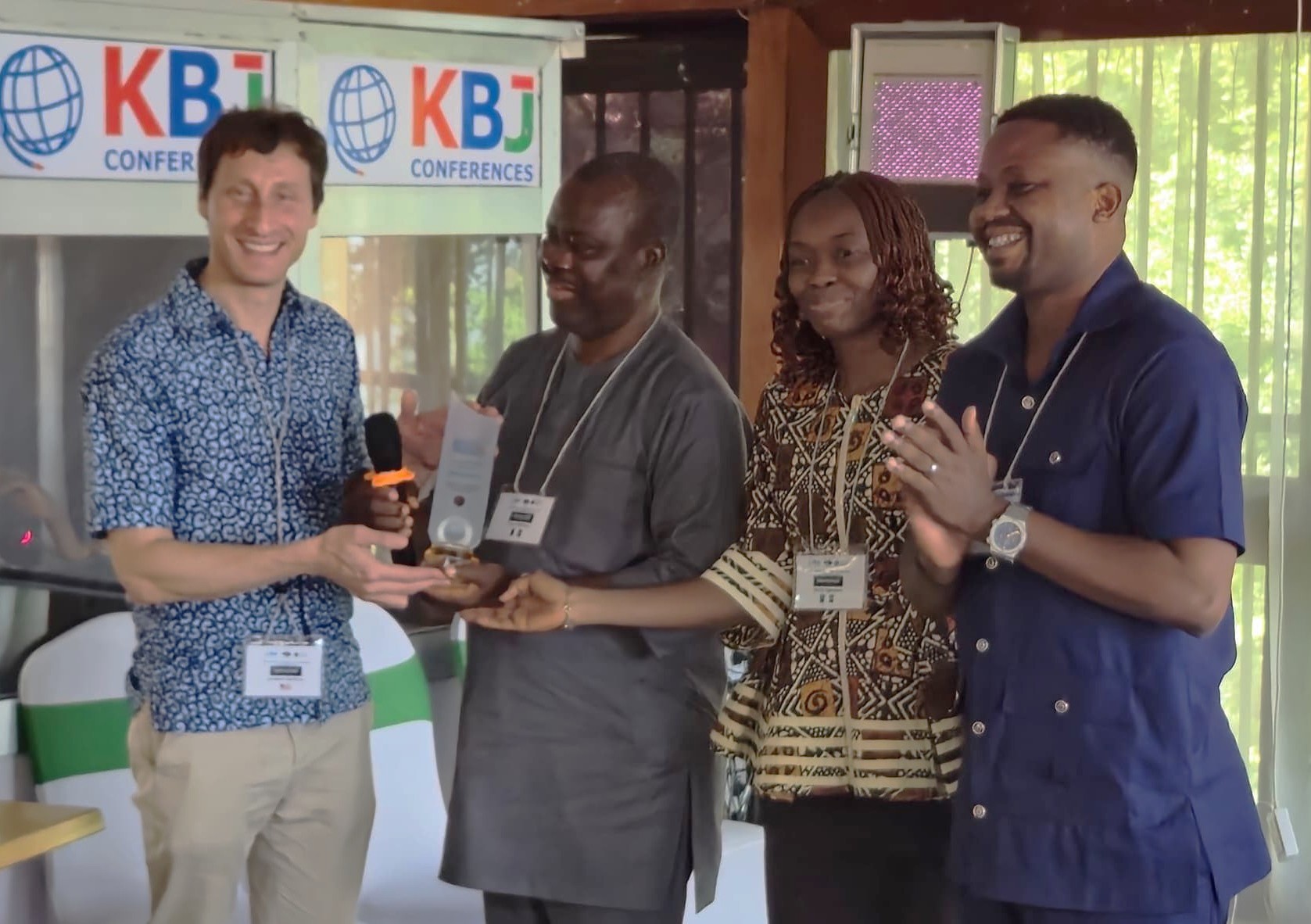
    The Legal Clinic team of the Caleb University, as part of the conference, presented a gift to ACA for its immense support in setting up the clinic. ACA’s Executive Director, Jonathan Kaufman, received the gift on behalf of the organization.

  • Enrolment significantly increases following renovation works on Saamang R/C school

    Enrolment significantly increases following renovation works on Saamang R/C school

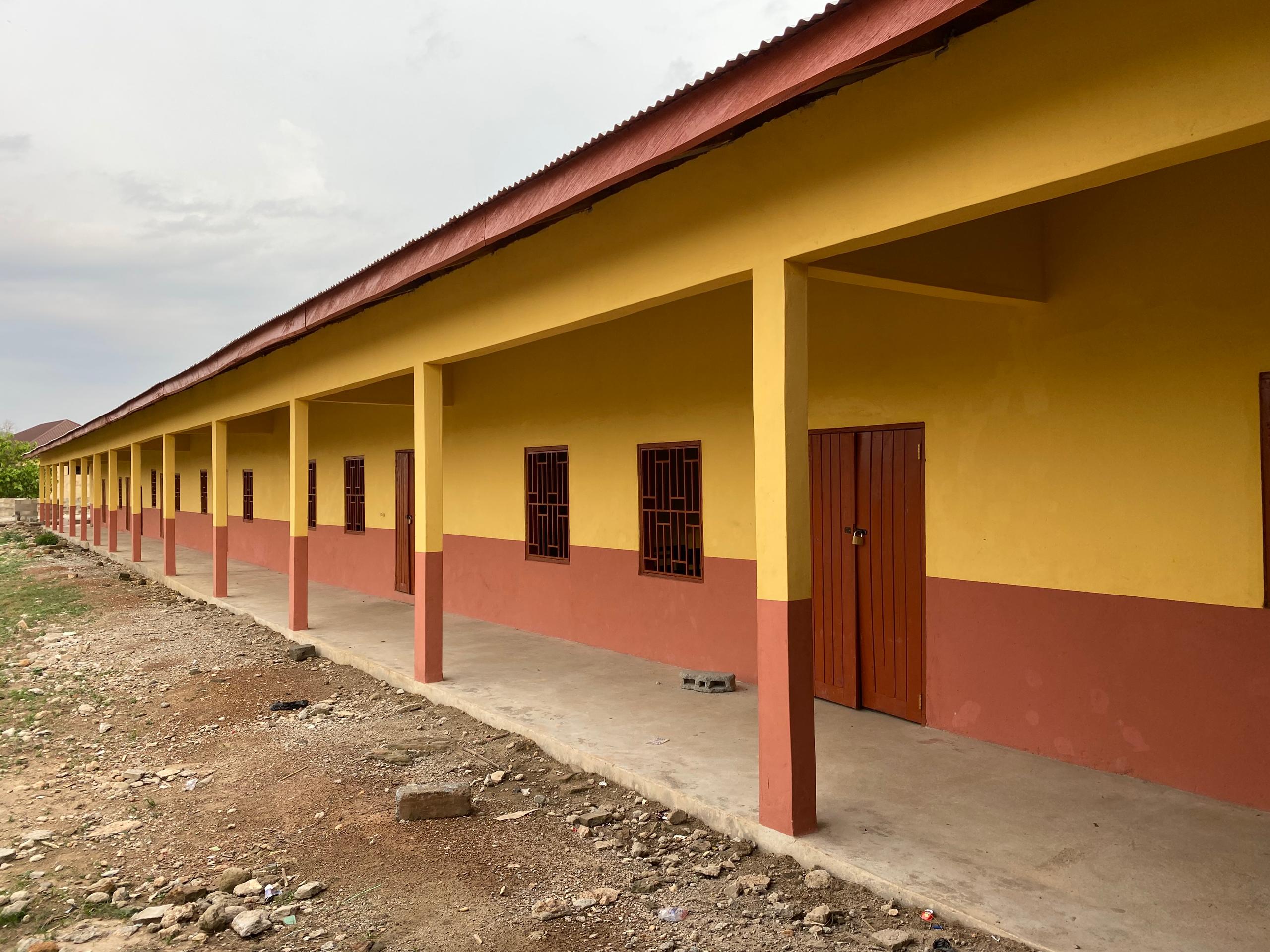
    The Saamang local Roman Catholic Basic School in the Fanteakwa South District of the Eastern region of Ghana this year enrolled 85 new pupils, pushing its total enrolment figure from 150 to 235 and making it the second largest primary school in the area.

    This significant increase of 56.6% of student population follows the completion of renovation works on the school last year.

    Pupils and teachers of the kindergarten and the primary sections could not hide their joy when they were ushered into their newly renovated classroom block at the beginning of the academic year.

    The headmaster of the school, Mr. Samuel Abrokwa, said in an interview that the facelift given to the school has undoubtedly impacted positively on the academic fortunes of the school and commended the Fanteakwa South District Assembly and ACA for coming to their aid.

    “We are so happy to be learning under such a conducive environment and this would undoubtedly enhance teaching and learning in the school”, one of the pupils said after her first day in the renovated building.

    Renovation works on the school were carried out last year under the Facilitated Collective Action Process (FCAP), a partnership between the district assembly and Advocates for Community Alternatives (ACA), a non-governmental organization, which helps West African communities that are threatened by the destructive impacts of extractive projects to take control of their futures.

    Following the completion of the project, the school is now providing convenient teaching and learning environment for the kindergarten and the primary sections of the school and ultimately contribute to the overall improvement in educational standards in the district.

    /By the end of this academic year, the dropout rate is to decline by 5%. It is also anticipated that the completion of this project will, in the long-term, reduce the cost of education for pupils in Saamang by 15%.

    In an interview, the Assembly member for the Saamang Electoral Area, Desmond Ofori Abrokwa, said the state of the school block prior to the start of the renovation works was deplorable and adversely affected enrolment as well as effective teaching and learning.

    “As I speak to you, our kids have a conducive environment to go about their studies. Also, teachers are happy to give their best. The looks on their faces tell it all”, he said.

  • Sagyemase wins Best CHPS Compound award in Abuakwa South

    Sagyemase wins Best CHPS Compound award in Abuakwa South

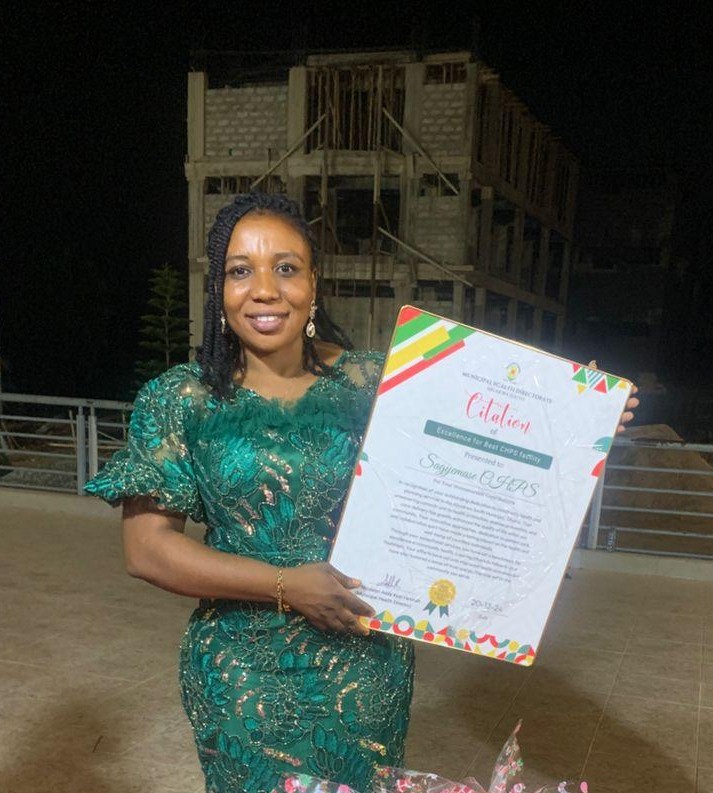
    In less than a year of operations, the Sagyemase CHPS Compound has been adjudged the Overall Best CHPS Compound in the Abuakwa South Municipality, beating about eight other primary health care facilities.

    “Through your exceptional services, you have set a benchmark for excellence in community health, inspiring others to follow in your footsteps. Your efforts have not only improved health outcomes but also fostered a sense of trust and partnership within the community you serve,” a citation presented to the Sagyemase CHPS Compound partly read.

    This was at the 2024 annual awards ceremony held at Kyebi and organized by the Abuakwa South Municipal Directorate of the Ghana Health Services.

    Advocates for Community Alternatives (ACA), an Accra-based non-governmental organization, partnered with the Sagyemase community and funded the CHPS Compound with a $ 9,000 microgrant in line with its Facilitated Collective Action Process (FCAP).

    Ahead of the implementation of the project, the community identified many challenges confronting them but settled on a clinic with the aim of increasing people’s access to malaria treatment by at least 10% after one year of operations.

    Th good news is that over 300 patients accessed malaria treatment at the facility during the period. This figure represents a 12% increase in this regard as against the community’s earlier projection of 10% increase.

    It is also on record that out of the over 50 expectant mothers who attended antenatal services in the clinic last year, 48 successfully delivered without challenges and same number of babies survived all through to post-natal services, reducing the infant mortality rate by 15%. Also, access to health education went up by over 10% in the same period. This is because residents of Sagyemase and other surrounding communities are now able to walk freely to the CHPS Compound for health education purposes.

    This feat by the Sagyemase CHPS Compound exemplifies the pronounced impact of ACA in its partner communities in the Eastern and the Bono East Regions of Ghana.

  • Community-Based Facilitators undergo training on FCAP implementation process

    Community-Based Facilitators undergo training on FCAP implementation process

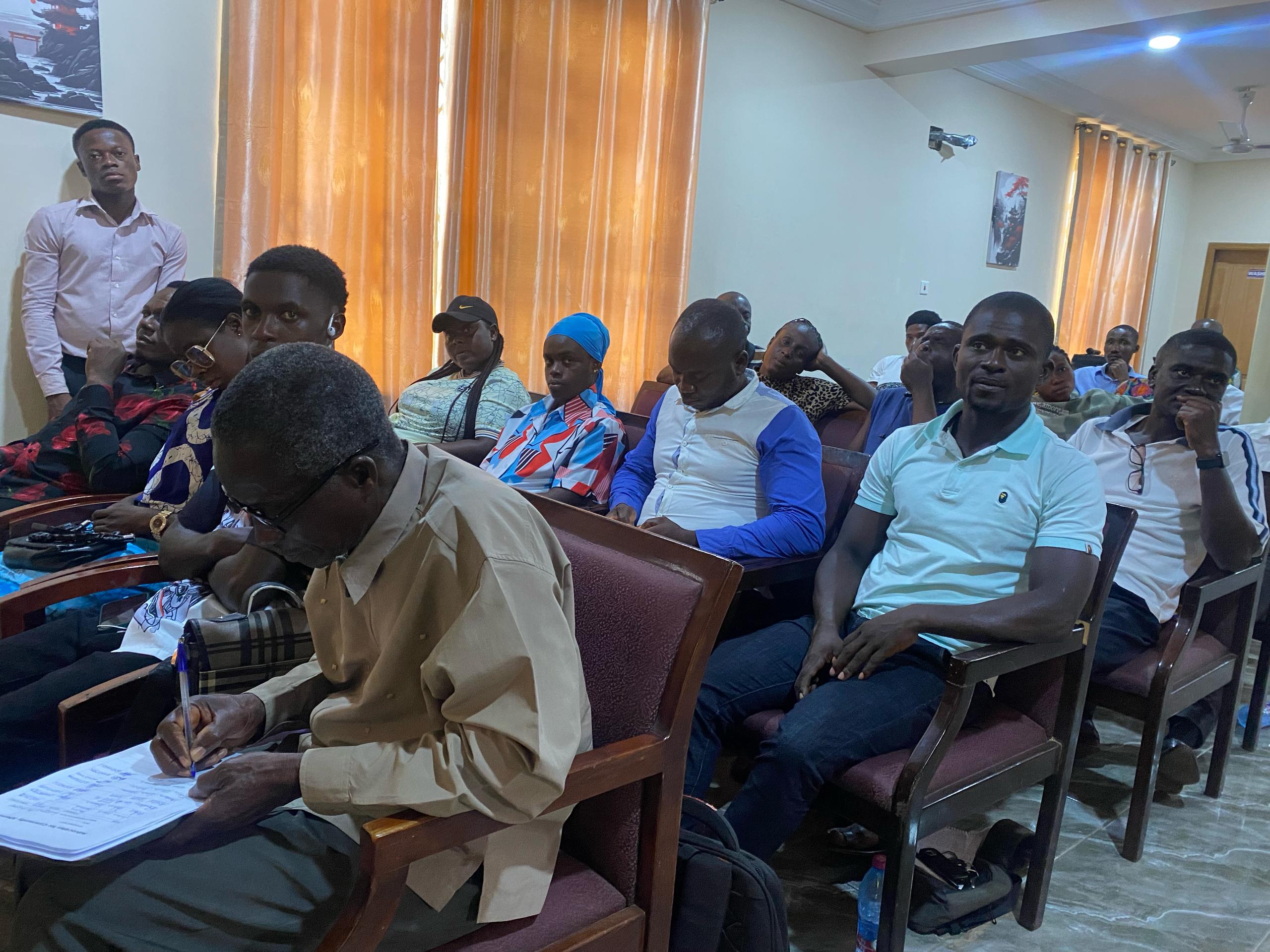
    Community-Based Facilitators (CBFs) from 45 communities and selected local government staff in Abuakwa South, Fanteakwa South, Atiwa West, and Nkoranza South have rounded up a week-long training programme on the Facilitated Community Action Process (FCAP), a community-driven development tool.

    Advocates for Community Alternatives (ACA), a non-governmental organization operating in Ghana and other African countries, organized the training to equip participants with the requisite skills in procurement methods, implementation action planning and budgeting, risk and mitigation strategies, and community engagement plans.

    These areas are crucial in ensuring transparency, efficiency, and sustainability in local development initiatives.

    Through interactive sessions and practical exercises, participants gained valuable insights into effective community engagements, project risk management, and accountable implementation strategies. The training also fostered collaboration between local government staff and community facilitators, strengthening participatory governance at the grassroots level.

    Following the planning process of the FCAP methodology, each community will receive $8,000 to support the implementation of their community-led development initiatives. This financial support will be complemented by community contributions, either in cash or in kind, ensuring shared ownership and sustainability of the projects.

    Communities will use these resources to develop action plans for projects such as CHPS compounds, teachers’ quarters, classroom blocks, boreholes, grinding mills, gari processing centers and bridges, among other community-driven projects.

    To enhance the success of these projects, communities will also benefit from technical advice from experienced professionals with expertise in their respective areas of development. This mentorship will help ensure the effective execution and long-term impact of their initiatives.

    Project execution and completion are expected within six months after community microgrant agreements are signed with the 45 participating communities. This timeline ensures that the development initiatives are implemented efficiently and that communities can quickly benefit from the improved infrastructure and services.

    Speaking at the training, Nana Ama Nketia-Quaidoo, ACA’s Director of Community-Driven Development (CDD) Department, emphasized the importance of inclusive planning and local leadership in ensuring development interventions aligning with community needs.

    “ACA remains dedicated to empowering local actors to champion development, accountability, and citizen participation. This initiative is expected to strengthen collaboration between communities and local government authorities, ultimately leading to more inclusive and impactful governance”, she also said.

    Participants expressed their commitment to applying the knowledge gained to drive meaningful changes in their respective districts.

    Credit: So Aba Boateng, Nkoranza

  • My community development experience with ACA – Francis Manu shares his experiences with ACA

    My community development experience with ACA – Francis Manu shares his experiences with ACA

    As the year ends, we celebrate one of our dedicated Senior Trainers, Francis Fernaldinho Manu. In this write up, Francis shares his experiences with the organisation since he joined the ACA family in July 2020 vis-a-vis his efforts at empowering young girls at Donkro Nkwanta, his hometown, through his annual beauty pageant “Miss Nkwanta.”

    It has always been my passion to see smiles on the faces of people I encounter, especially if I, in a way, contribute to improve their living conditions.  In fact, I become even more elated to be a part of any positive impact made on human life and so I have always wanted to fend not for myself alone but for the people around me as well. From my days as a footballer to my current place of work, I have always been ready to defend the lives of the under-privileged.

    Journey to ACA

    The drama surrounding my recruitment process has been an unforgettable moment. I still recall sending my application documents at 10:37pm on the deadline day, which, in my view, made me the very last person to do so. Barely a month after the submission of my application, a call came through, informing me that I had been shortlisted for an interview on the next Monday.

    Oh my God, the energy in me rose to 80% because I knew I was going to put up my all to land this job and so I spent the few days left for the interview to prepare feverishly.

    I was quite nervous on the day of the interview since I had no idea how it was going to go and was glued to my phone waiting to hear from my interviewers. My body temperature started going up when I lost the network on my phone at the time I was anxiously waiting for ACA’s call for the interview to begin on the phone. At this point, I started sweating and murmuring, and didn’t know what to do.

    At long last, the network finally came back at about 1:30pm and about two and half hours later, the interview finally came off. It was not as intimidating as I had envisaged. My interviewers wanted to hear about my motivations and what had drawn me to make an impact in society.  Having been a teacher before and drawing from my MISS NKWANTA BEAUTY PAGEANT experiences over the years, where I have been empowering young women to be self-confident to make an impact in Nkoranza South, I had much to share with the panel.

    I left the interview feeling more excited than ever, though unsure if I would be considered for the job. A month after, an email popped up from the Community Driven Development Director and it read, “Dear Francis, you have been hired! Honestly, I cannot find the right words to describe the moment. “Wow, finally, I got it!!!”  I remember exactly my first words as I screamed. I was so happy and could not wait to join my dream job.

    Early days in ACA

    My journey in ACA has been fulfilling. From the first day I stepped in the Accra office to meet the Executive Director and the entire team I realized I was introduced into a family that is passionate about human rights and community development rather than a normal working environment. I told myself; I have a lot to learn. “Welcome to ACA, Francis!” This was how Jonathan welcomed me to ACA, and it still echoes in my mind. The entire team was very receptive to me, and I really felt at home as I hit the road running as a Community Trainer.

    Little did I know that I was going to work directly under Mr. Nimako, who was one of the primary school teachers. Mr. Nimako and my hard working and committed Director of CDD, Nana Ama, ensured that I became well versed in my area of work, a situation which helped me to settle quite easily

    Life at Osino

    My duty station has been in Osino since I joined ACA, and my core duties from the beginning were to mobilize and facilitate community meetings to help them achieve a development vision and help draw these communities closer to the local government. I was also tasked to assist our legal team in their quest to fight for equal rights for all our partner communities. I have been meeting chiefs and community leaders, having community wide meetings, meeting Municipal and District Chief Executives, local government staff and other government officials including sitting in some strategic meetings. Currently as a Senior Trainer, I train Trainers and Community Based Facilitators as well as supervise several communities implementing the Facilitated Collective Action Process (FCAP). The joy at work has gone up with the addition of more Trainers who share the same passion with me.

    Encouragements

    I am encouraged by the compliments by some of my community members. “Whenever I see you, I am reminded to do something to impact my community.”  These are the words of some of my community members which really motivate me to always give my best. With the coming on board of George Mpoah, a colleague who is more than a brother, we have been stepping up our efforts at assisting our partner communities to chart a development path in line with the medium-term development plan of their local assembly.

    Looking back, I feel fulfilled to be a part of a project and a process that resulted in bringing some visible improvements in the lives of people. Despite the challenges faced with community work, my impact has seen several communities developed in diverse ways with better health facilities, schools, good drinking water, and some improving their livelihoods in soap making projects and many more. Also, assisting our legal team get better compensation for abused farmers is something that will remain with me forever.

    With ACA, I’ve grown both personally and professionally in ways I never imagined. While I keep learning and drawing from experiences, I look forward to making greater impacts in communities in the coming years with this organization.

    Honestly, the lessons I’ve learned are invaluable, and the sense of purpose I feel every day is something I wouldn’t trade for anything. If there’s one thing that stands out to me from this journey, it’s that advocacy work isn’t just a job- it’s a calling.

    I wish all ACA staff a prosperous New Year!

  • Kono residents unperturbed about adjournments by Sierra Leone’s Court of Appeal

    Kono residents unperturbed about adjournments by Sierra Leone’s Court of Appeal

    Members of the Marginalized Affected Property Owners Association (MAPO), a civil society group based in Kono in the Eastern Region of Sierra Leone, say they are unperturbed about the frequent adjournments of their case pending at the Court of Appeal in Freetown and have vowed to relentlessly pursue their case despite the frustrations.

    “Even if they ask us to come here a hundred times, we shall come. We’re determined to fight for our rights and to seek justice through the legal process. Even though we’re not happy about the continuous dragging of our case at the courts, we are not intimidated by any attempts to frustrate us”, they said after Sierra Leone’s Court of Appeal again adjourned their case to November 14, 2025.

    Last Thursday, the Court of Appeal again adjourned hearing Kono community’s human rights claims, which seek to determine whether the community members can legally take on a multinational diamond mining company for causing harm to their livelihoods, health, and their traditional lands.

    The community members and their partners left the court premises disappointed and helpless but remained resolute in their bid to relentlessly fight for their rights in a case which has dragged on for five years amidst several court adjournments. One of the three-member panel of judges, Hon. Justice Emily Wright, was unavailable, leading to the latest adjournment.

    The matter is adjourned to Thursday 14th November 2024. Counsels for the two parties agreed before the Hon. Justice Reginald Fynn (JA) and the Hon. Justice Sulaiman Bah (JA), in Chambers, that if for any reason the matter is unable to proceed, the Defence Counsel will file written submission while the Counsel for the Appellant will file a written reply to his submission. Under this arrangement, the matter will then be withdrawn for ruling, meaning no further hearings after the 14th of November 2024.

    “We keep travelling all the way from Koidu, and other parts of Kono to Freetown, a 12-hour return trip any time the Court decides to sit on our case. We keep coming in our numbers to court and they also keep adjourning our case, but I can assure everyone that we are never going to retreat or surrender, but rather, we’re going to soldier on despite the adjournments”, Mr. Prince Boima, the MAPO Chairman, said after the court announced yet another adjournment on Thursday.

    The Lead Counsel for the plaintiffs, Dr. Chernor Mamoud Benedict Jalloh urged the justice system to ensure that justice is delivered in a timely manner in this matter because “justice delayed is justice denied to all parties in this litigation.”

    The hearing of the Koidu community’s human rights became possible after a ruling on Thursday February 29, 2024, that struck out preliminary objections filed by the defendant mining company, Koidu Limited.

    The Appeals Court’s ruling last February brought a new life into the Koidu plaintiffs’ case, which was dismissed by the High Court in Makeni on 27th October 2022, on the basis that the plaintiffs were not qualified to press their claims in court.  The dismissal order also ruled that the plaintiffs should have used a non-judicial grievance mechanism before going to court, despite also recognizing that the grievance mechanism did not actually exist.

    Brief background

    Koidu Limited is a diamond mining company that operates in Sierra Leone and is privately owned by BSG Resources Limited (BSGR) through its subsidiary, Octéa Limited. The company is accused of degrading the living conditions of people living near its mining operations and failing to properly relocate them or compensate them for their losses.

    Residents who have not been relocated find it increasingly difficult to farm because waste rock and rubble from Koidu Ltd.’s operations have covered much of their farmland. “Koidu Limited has destroyed our lives,” said Mr. Prince Boima, Chairman of the Marginalized Affected Property Owners Association. “We used to farm and live in peace, but now our lands and water sources are poisoned and covered in rubble. Our homes are shaken by explosives every day.”

    Residents also report that their health has suffered. Dust from the mining operations often covers the community and causes headaches, difficulty breathing, and a burning sensation in the

    Residents’ eyes. The operations have also contaminated the water, and many residents develop skin rashes and digestive problems they did not previously experience. High stress from living with frequent blasting further causes headaches, high blood pressure, heart palpitations, and respiratory problems in the community.

    Despite promising to properly relocate affected community members in advance of expanding its mining operations, Koidu Ltd. has left the people to suffer.  Many community members have neither been relocated, nor compensated for the damage to their properties, health, and livelihoods.  Others have been relocated to a new area, but the conditions of relocation have been incommensurate with what they lost.

    The community is supported in its fight for justice by Advocates for Community Alternatives (ACA), a Ghana-based human rights organization, and Network Movement for Justice and Development (NMJD), a Sierra Leonean civil society organization that organizes communities for a more just society in the face of natural resource extraction.

  • FCAP implementation underway in ten communities in Nkoranza South

    FCAP implementation underway in ten communities in Nkoranza South

    Ten communities in the Nkoranza South Municipality are on their way to taking control of their own development path, having received the requisite training and tools to realize their vision of the future.

    This is in line with a partnership between Advocates for Community Alternative (ACA), a non-profit-making organization, and the Nkoranza South Municipal Assembly to implement the Facilitated Collective Action Process (FCAP) in these communities. It follows the successful piloting of the FCAP in Donkro Nkwanta, Nwoase, Kyeradeso and Salamkrom – all in Nkoranza South.

    The additional communities, which include Kyekyewere, Akuma, Barnufour, Brahoho, Abuontem, Asuano, Nkwabeng, Bonsu, Akumsa Domase, and Bredi No 1, have successfully completed the planning phase of FCAP, which is also called Oman yie die in Ghana. Each of them has also developed a shared community vision and goals which enabled them to collectively identify projects that fall within the municipal assembly medium term development plans.

    Projects

    Some of the projects being implemented in the Nkoranza South under FCAP include the construction of a Junior High School block at Asuano, an Out-Patient Department (OPD) block for the Nkwabeng Clinic, as well as a social center project at Abuontem, Akuma, Brahoho and Akumsa Domase. Bredi Number One and Bonsu communities are expanding access to potable water while Barnufour and Kyekyewere communities are putting up Community-based Health Planning and Services (CHPS) compounds.

    To enable the communities, execute their projects efficiently and effectively, they were facilitated to develop a project implementation action plan and budget. The implementation action plan and budget clearly outline the timelines and budget lines for the implementation of their projects.

    ACA’s CDD program

    ACA’s community-driven development program revolves around two key elements.  The first element, FCAP, encourages communities to create a common development vision and equips them with skills and financial resources – including a USD 9,000 microgrant – to pursue it.

    ACA has sponsored CDD projects in Ghana, Guinea, Liberia, and Sierra Leone.  Our FCAP work has helped communities build key infrastructure, including clinics and community centers, and jumpstart collective enterprises, such as rice farms and black soap manufacturing.

    The second element, Citizens’ Committee Network (CiCoNet), is ACA’s answer to the threat that our partner communities face from powerful economic interests.  Whereas FCAP gives communities hope for a better economic future, CiCoNet is an interface group of concerned citizens who help protect the communities’ development vision.  CiCoNet members are trained to speak with government officials and other stakeholders on behalf of their communities, raising concerns in ways that allow local authorities to help resolve key community concerns.

    Credit: So Abapa Boateng, CDD Community Trainer in Nkoranza South Municipality, Bono East Region of Ghana

  • CiCoNet steps up advocacy on honoring tax obligations

    CiCoNet steps up advocacy on honoring tax obligations

    The Citizens Committee Network (CiCoNet), a community-based advocacy group in the Nkoranza South Municipality has been sensitizing residents in the area about the core roles of various departments of the local assembly as well as the need to honour their tax obligations.

    This exercise is being carried out in partnership with the municipal assembly as part of measures to enhance local governance and cement the cordial relationship between the people and the assembly.

    It is expected that the exercise will boost revenue mobilization by the assembly, empower the community members to effectively engage the assembly on pertinent issues bothering them as well as devise effective ways of promoting community development.

    In attendance in the sensitization programs were traditional authorities, youth groups, women groups and other local government structures in ten communities namely, Kyekyewere, Akuma, Barnufour, Brahoho, Abuontem, Asuano, Nkwabeng, Bonsu, Akumsa Domase, and Bredi No 1.

    “This sensitization meeting with our CiCoNet members has shown me that I can report any community development issue to the assembly, and they will think of ways of solving it for us”, a community member at Kyekyewere said.

    “I never knew that it is so important to pay property tax but after this engagement I’ve resolved to ensure that I pay it per the Assembly’s by-laws”, he added.

    CiCoNet advocacy group exists to advocate for collective action in their communities and work with local government structures towards sustainable development.

    The sensitization at their community level by the CiCoNet group stems from the training they received as an advocacy group in the importance of taxes and the roles of the various departments in the Nkoranza South Municipality. The purpose of their sensitization was to equip their community members with knowledge on the type of taxes and levies collected by the assembly and encourage them to pay their taxes as well as educate others on the importance of taxes and tax adherence.

    Credit: So Abapa Boateng, ACA’s Community Trainer in Nkoranza South

  • Margaret Afia Konadu: Sora Kaufman Fellow

    Margaret Afia Konadu: Sora Kaufman Fellow

    Margaret Afia Konadu is a multi-skilled individual making positive impacts on the lives of thousands of people. She is a community leader, a teacher and an entrepreneur, who is passionate about driving social impact and preserving cultural heritage.

    Born on 6th January 1989, Margaret is one of the proud members of ACA’s Sora Kaufman Fellowship program.

    She currently serves as the Project Lead for Community Development at the Edugha Institute for Social Development. Here, she manages programs aimed at improving the quality of life for underprivileged communities and further conducts community assessments as well as implements sustainable projects that promote economic independence.

    Besides, she teaches Literature-in-English at the Presbyterian Senior High School in Tamale where she educates and mentors young minds.

    “Through literature, I encourage students to think critically and engage in discussions that challenge societal norms and inspire change. My work in education has strengthened my belief in the power of knowledge and skills in transforming lives, which has fueled my dedication to community work and youth empowerment”, she explained.

    As an entrepreneur, Margaret is the CEO of Margees Collections, a fashion hub that specializes in handwoven textiles such as smocks and kente, traditional fabrics from northern Ghana. Margees Collections is not just a business, but a platform for cultural preservation and economic empowerment.

    Moreover, Margaret is the Northern Regional Lead for the Ghana Chamber of Young Entrepreneurs (GCYE). Here, she mentors young entrepreneurs in this capacity, helping them to navigate the challenges of starting and scaling-up businesses.

    “Through my combined roles in education, business, and community development, I strive to create meaningful and sustainable change. A commitment to cultural preservation, youth empowerment, and the betterment of underprivileged communities in Ghana drives my work.”

    Integrating knowledge from fellowship

    She says integrating the knowledge gained from the Sora Kaufman Fellowship into her workplace and community development work will be a transformative process, directly influencing how she leads projects and empower local communities.

    One of the ways through which she would be doing this is to incorporate innovative leadership and management practices. She is optimistic that the one-month training she is currently embarking on will expose her to cutting-edge leadership strategies and management techniques, which she plans to integrate into her work as the Project Lead for the Edugha Institute for Social Development and her role with Margees Collections.

    “By applying these practices, I can enhance team collaboration, optimize project efficiency, and ensure that our community development initiatives are executed more effectively. For example, I will use innovative project management tools and frameworks to better oversee the training programs for weavers, improving their skills and productivity.”

    She will also strengthen social entrepreneurship initiatives, implement sustainable community development models, build global networks and partnerships and undertake training and capacity building.

    She is positive that she would be imparting the knowledge gained after the training on her colleagues. In this regard, she intends to organize training sessions for her colleagues and community members to empower them and enhance their capacities.

    “In summary, the knowledge gained from the Sora Kaufman Fellowship will enable me to introduce innovative leadership, empower local entrepreneurs, promote sustainable development, and build strong partnerships to drive positive change in my workplace and the broader community.”

    Proposed plans going forward

    After the 12-month period for the Sora Kaufman fellowship program, Margaret’s plans afterwards are centered around leveraging the knowledge, networks, and skills gained to drive impactful community development, expand entrepreneurial opportunities, and become a leader in social innovation.

    “My immediate plan is to scale up existing projects within the local artisan and entrepreneurial communities, particularly through Margees Collections and the Textiles Hand Weavers Association. With the expertise gained from the fellowship, I aim to introduce new business models, e-commerce platforms, and value-added services that will allow these artisans to expand their markets both locally and internationally. I also plan to explore innovative financing models, such as micro-loans and cooperative savings, to empower more artisans and young entrepreneurs in underserved communities.”

    Margaret also intends to establish a Community Development and Innovation Hub, which is inspired by the fellowship’s focus on innovation. I plan to establish a community development and innovation hub in the Northern Region of Ghana. This hub will offer training in entrepreneurship, digital literacy, and sustainable business practices for artisans, farmers, and young entrepreneurs. The hub, according to her, will serve as a resource center where individuals can access mentorship, funding opportunities, and technical support to launch and scale their businesses. She hopes to collaborate with local government agencies, international NGOs, and private sector partners to ensure the hub’s long-term sustainability.

    In addition, she will be working hard to enhance leadership and advocacy for the marginalized especially women, youth, and artisans.

    “Drawing from the leadership training in the fellowship, I intend to work closely with local government and organizations like the Ghana Chamber of Young Entrepreneurs to influence policies that provide better access to education, skills training, and funding for small businesses. I also plan to mentor young leaders, helping them gain the confidence and skills to champion community-driven development projects.”

    “In conclusion, after completing the Sora Kaufman Fellowship, my plans are focused on scaling social impact projects, establishing a community innovation hub, advocating for sustainable policies, and fostering global partnerships to uplift marginalized communities and create long-term economic empowerment.”

    Congratulations, Margaret. Enjoy every bit of the Fellowship program. Welcome on board.

  • Comfort Akosua Wiafe: Sora Kaufman Fellow

    Comfort Akosua Wiafe: Sora Kaufman Fellow

    Comfort Akosua Agyeman Wiafe, a communications enthusiast, who also enjoys rendering humanitarian services, has in the past eight years spearheaded various projects geared towards improving menstrual health, general health, hunger, skill training and development, childcare and literacy among others.

    She is presently the President and Chief Operations Officer of Arise to Connect Africa and a Project Coordinator with the Restoration Empowerment Project.

    She holds a degree in Communication Studies (Journalism option) and a master’s degree in development communication, both from the Ghana Institute of Journalism.

    Integrating knowledge from fellowship

    By integrating the knowledge from the fellowship program in her workplace and community development work, Akosua intends to do so through the application of innovative approaches, using creative problem-solving and collaborative leadership skills to drive positive change in her organization.

    She also hopes to enhance community engagement by developing and implementing community engagement strategies to foster deeper connections with the target people as well as undertake a mentorship and training program, which she says will afford her the opportunity to share her knowledge with colleagues and provide training on community-led initiatives and social justice principles.

    Touching on her plans for community development, Akosua has a three-prong approach, which are community empowerment, collaborative partnerships and Advocacy and policy change.

    She believes that these would culminate in establishing a community resource center; she plans to establish a community resource center to provide ongoing support and resources, develop a leadership pipeline, which seeks to develop a leadership pipeline to ensure sustainable community growth.

    According to Akosua, she will also continuously evaluate and adapt her approaches to ensure they remain effective and responsive to community needs.

    “By integrating the knowledge and skills from the fellowship, I aim to create a rippling effect of positive change in my workplace and community, ultimately contributing to a more just and equitable society”, she said.

    Proposed plans going forward

    Upon completing the 12-month Sora Kaufman Fellowship program, Akosua intends to undertake the following activities:

    • Scale up the Bottle Bricks Project: I will apply the knowledge, skills, and networks gained during the fellowship to expand the project’s reach and impact. This includes developing strategic partnerships, securing funding, and establishing a robust operational framework.
    • Establish a Sustainable Model: I will focus on creating a sustainable and replicable model for building classrooms using plastic bottles, ensuring that the project can be adapted and implemented in various communities.
    • Community Engagement and Empowerment: I will work closely with the beneficiary communities to ensure their active participation and ownership of the project. This includes providing training and capacity-building programs to enable them to maintain and manage the classrooms.
    • Advocacy and Policy Influence: I will utilize the knowledge gained during the fellowship to advocate for policy changes and support initiatives that address plastic waste management and sustainable building practices.
    • Monitoring, Evaluation, and Learning: I will establish a robust monitoring and evaluation framework to assess the project’s impact, identify areas for improvement, and document best practices for future reference.
    • Mentorship and Knowledge Sharing: I will share my experiences and knowledge with other social entrepreneurs, community leaders, and stakeholders to inspire and support innovative solutions addressing similar challenges.

    In her view, she would be able to create a lasting impact through the Bottle Bricks Project, providing access to safe and sustainable educational infrastructure for deprived communities while promoting environmental stewardship, all things being equal.

    The Bottle Bricks Project, according to Akosua, is an initiative focused on solving sanitation barriers by using plastic bottles as a means of pushing infrastructural development.

    “The project seeks to construct classroom blocks with plastic bottles in deprived communities within the country. Many schools in deprived communities observe classes under trees and dilapidated structures and as such, this project will help these communities have relatively better educational structures for their students. This project basically tackles the SDG Goals 4 and 6, Quality Education and Sanitation respectively”, she explained.

    Akosua, the entire ACA family is very happy to have you around as a pioneer Fellow. We wish you a fruitful fellowship with the rest of the team during your one-month training ahead of the 12-month project implementation period.