Category: Home Slider

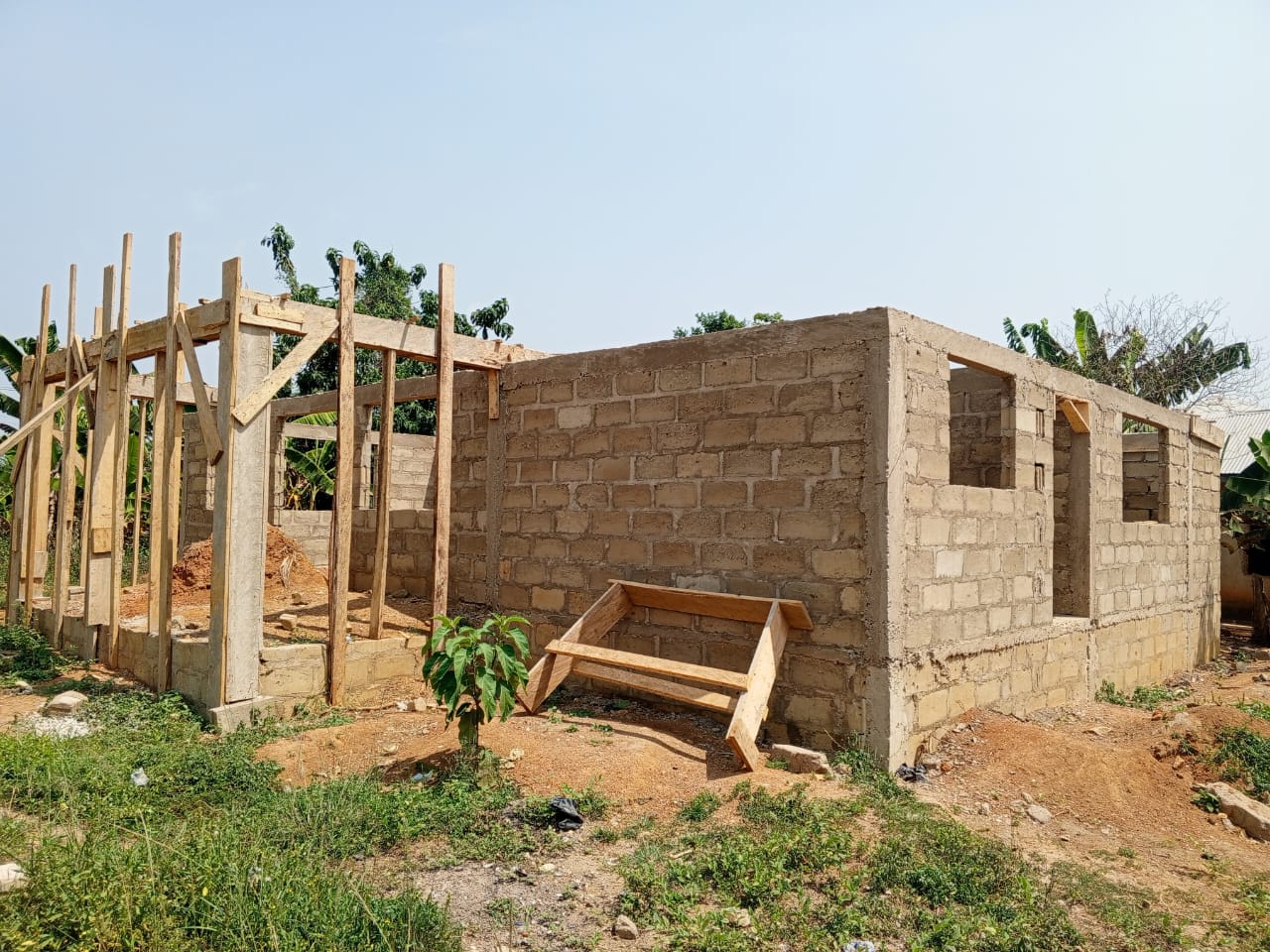
  • Asikam Maternity block nears completion

    Asikam Maternity block nears completion

    “We just can’t wait to witness the successful completion of this maternity block as it will go a long way to alleviate the pains our women go through in accessing ante-natal and post-natal health services”, Gideon Ofori Boakye, the Assembly member of Asikam.

    Asikam, a farming community in the Abuakwa South municipality of the Eastern region of Ghana, is leaving no stone unturned in completing its community-driven project under the Facilitated Collective Action Process (FCAP), which aims at strengthening decentralization process.

    Also called Oman yie die, the project is a partnership between Advocates for Community Alternatives (ACA), a non-profit-making organisation, which helps West African communities that are threatened by the destructive impacts of extractive projects to take control of their futures, and the Abuakwa South Municipal Assembly as part of measures to strengthen local participation in the implementation of the Assembly’s medium term development plan.

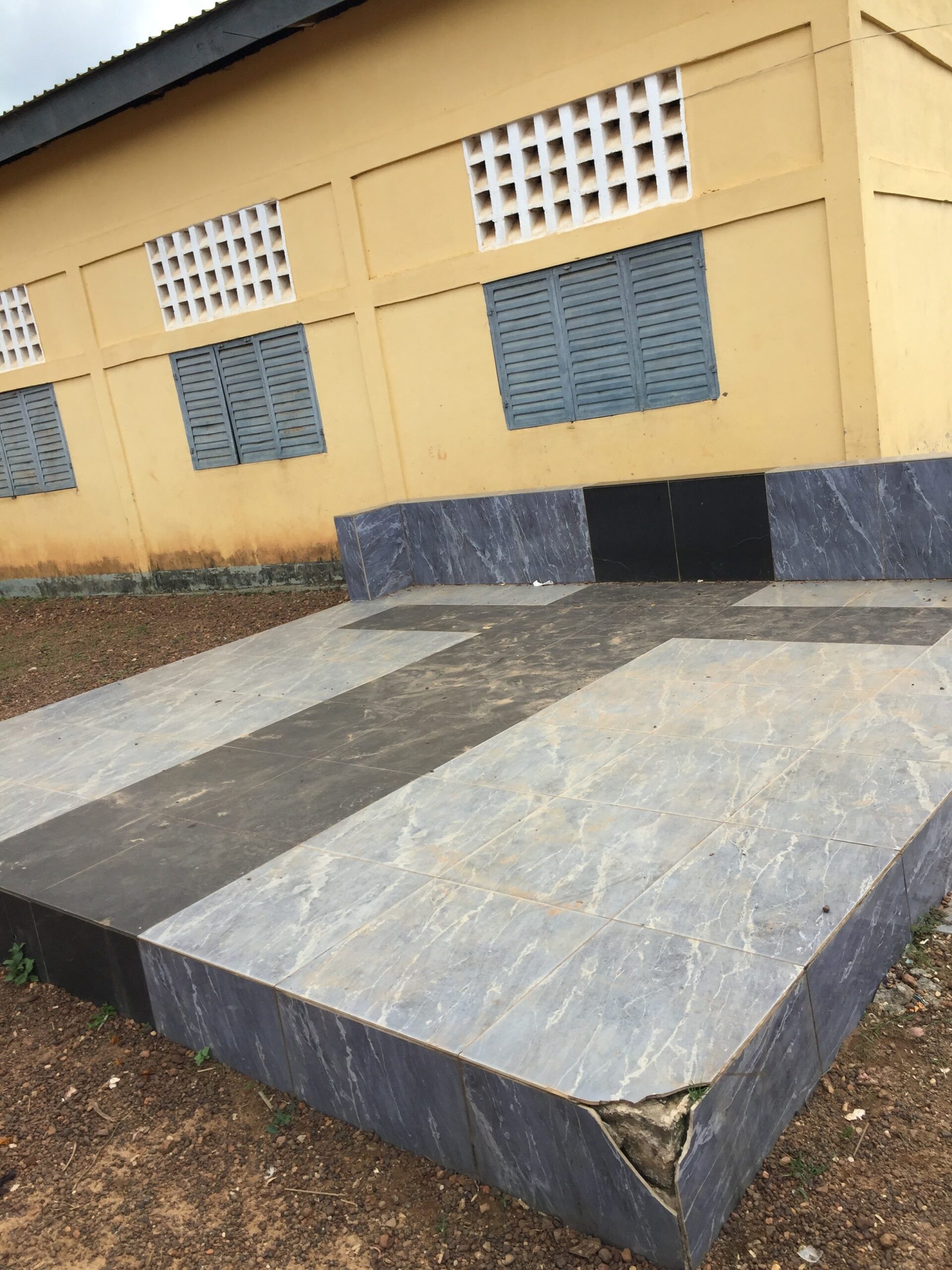
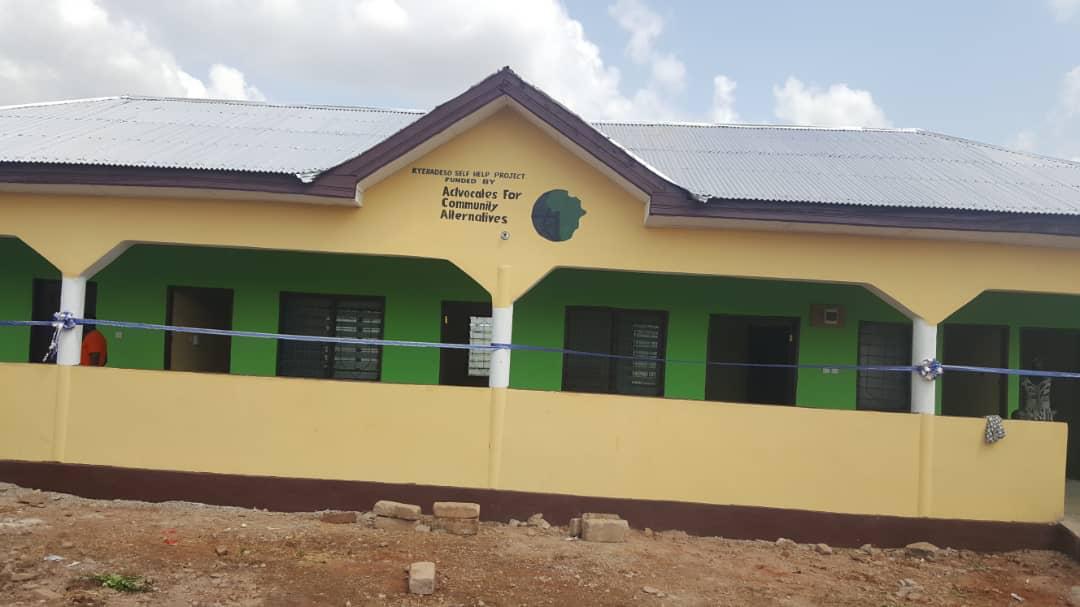
    With a $9,000 microgrant, the community members are putting up a Maternity block at a CHPS Compound in the town in partnership with ACA and the Abuakwa South Municipal Assembly. The community has so far spent approximately $4,500 of its microgrant.

    The project, which is about 60% complete, is primarily meant to augment health care delivery, especially with regards to maternal health services.

    “We’re done with the construction of the main building, and we’re left with a few works then we go to the roofing and plastering stages. So far, so good”, the Assembly member said in an interview.

    For Obed Ofori Ansah, the Mmranteεhene of Asikam (chief of young men): “This project is really coming at the right time because the practice where our women travel to Kyebi and sometimes to Koforidua for ante-natal and post-natal health services will soon be a thing of the past.”

    He is therefore calling on the residents of the town to continue with their communal assistance to ensure the timely completion of the project.

  • ACA trains university students in citizen science approaches to soil and plant analysis

    ACA trains university students in citizen science approaches to soil and plant analysis

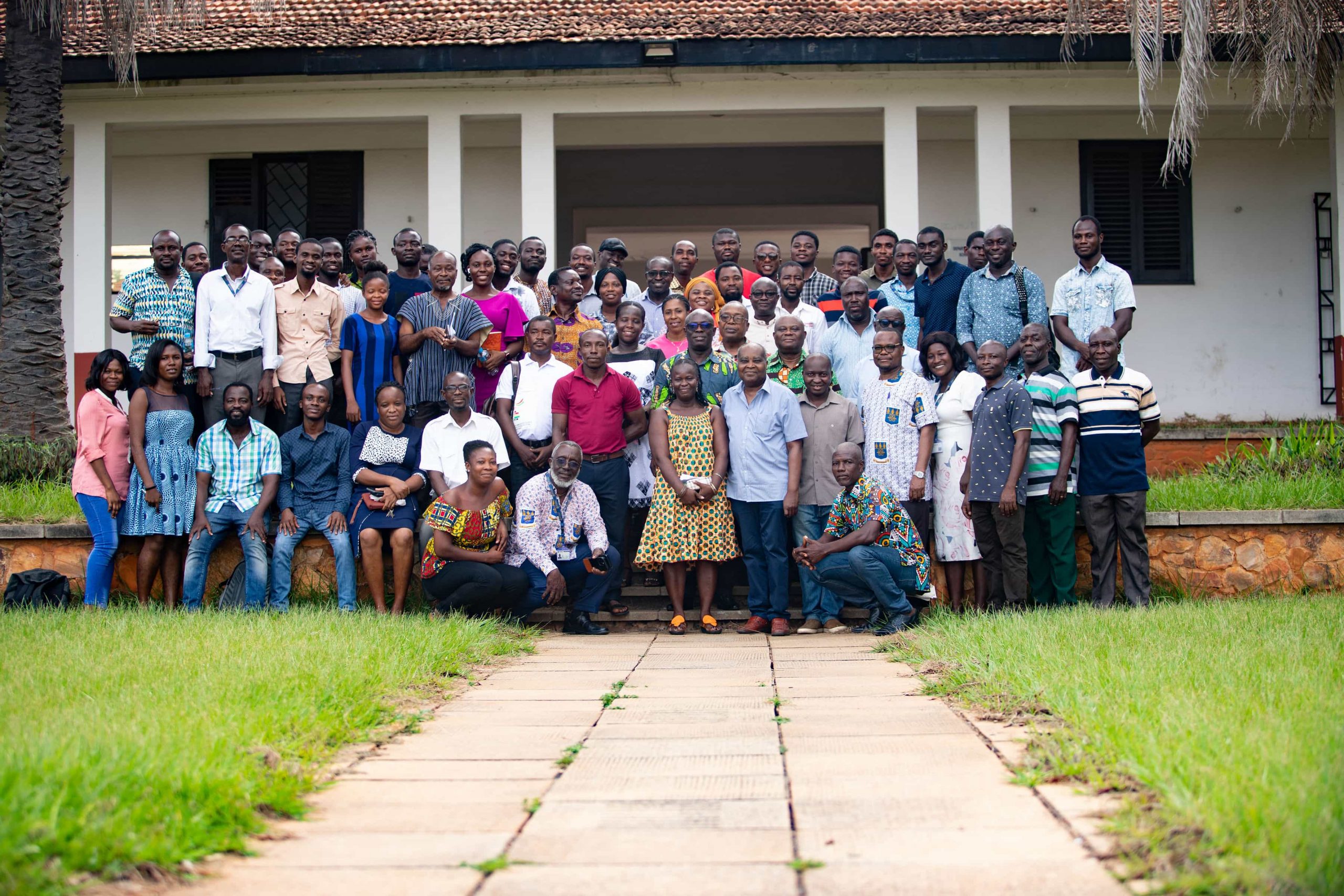
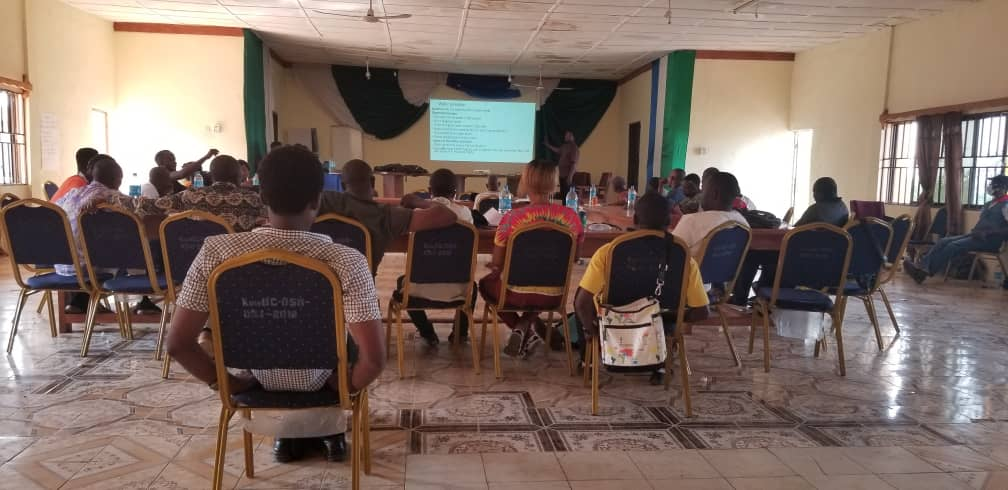
    More than 60 soil science students and technicians at the University of Ghana have benefitted from a three-day workshop on community-based agricultural science.  Advocates for Community Alternatives (ACA) organized the workshop with the university’s Department of Soil Science from 10 to 12 May, with the aim of “Enhancing the capacity of scientists for community service.”

    The participants, who were mainly MSc and PhD students and technicians attached to the faculty, learned traditional soil and plant analysis techniques, but through a community participation lens. 

    ACA’s Science Advisor, Dr. Kwabina Ibrahim, taught participants how to involve community members in the design of sampling protocols, discussed the presentation of technical data to communities, and the importance of validating results with local communities to ensure accuracy and uptake.

     “This very workshop has enlightened me on a lot of things, especially with regards to how to involve a community in a science study,” said soil science PhD student Isaac Lartey Tawiah enthusiastically. “This participatory approach in the sampling process will ensure that the community members will accept and appreciate the results because they were involved in the process.”

    Kwame Ocloo, an MPhil student in Soil Science, concurred.  “The training was very helpful.  We learned how to take the cell properties that we’re testing for in the field and apply the results of those tests to the farmers, how to explain to the farmers the meaning of those properties,” he said.

    For Grace Karikari Akofo, a Technical Staff of the Material Science and Engineering Department, the program could not have come at a better time.  “This is my first time of hearing about community science, and I think it’s something that will help me professionally as I will be able to interact with non-scientists, especially those without any training in science,” she noted.  “When sharing sampling outcomes with a community, there is no need to use jargon. Rather, one must find innovative ways of breaking those jargons into simple and clearer messages with the help of chats when communicating with the people.”

    At the close of the training, Dr. Daniel Etsey Dodor, the Head of the Department of Soil Science, expressed his gratitude to ACA for the opportunity for students and staff of the university to share knowledge and broaden their horizon on community-centered approaches to soil related issues and hoped that similar workshops would be organized in his department in the years to come.

    Dr. Ibrahim, the ACA Science Advisor, expressed his organization’s commitment to collaborating with scientists to assist communities with scientific knowledge.

    “Community participation in the production of scientific knowledge about their land, soil, and water is key to ensuring that they are in control of their own future, especially when they come under threat from extractive activities,” said Dr. Ibrahim.  “ACA is thankful to the University of Ghana and the Department of Soil Science for helping us to ensure that young scientists are prepared to involve communities in their fieldwork.”

  • 10 years on, Zoghota Massacre survivors still struggle to get justice

    10 years on, Zoghota Massacre survivors still struggle to get justice

    Survivors of an August 2012 attack against the village of Zoghota, Guinea by state security forces organized a press conference  last month on the 10-year anniversary of the attack to demand that the Republic of Guinea comply with an order issued by the ECOWAS Court of Justice in Abuja in 2020 to pay 4.56 billion Guinean francs (then approximately 436,000 U.S. dollars) to victims of the attack and their families.

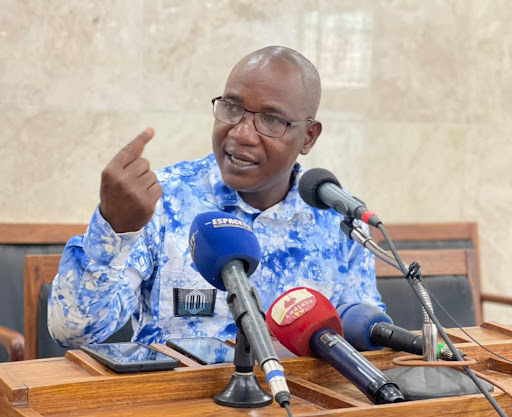
    Frédéric Loua, a lawyer at the Guinean human rights organization Les Mêmes Droits pour Tous (MDT) spoke representing the community at the conference saying, “the victims of the Zoghota massacre ask the Guinean state to immediately and without delay pay the amount of the sentence pronounced by the ECOWAS Court of Justice and to have those presumed responsible for the massacre judged for individual criminal responsibility.” The Zoghota people used this opportunity to renew their resolve to pursue all avenues in Guinea and internationally to hold their government accountable for the massacre.

    The order came as a result of a court case filed in 2018, after the community’s cases were repeatedly stalled and ignored in Guinean courts.


    Loua, pictured above at the press conference, has accompanied the people of Zoghota since the day of the attack. On Loua’s first visit to Zoghota on August 1, 2012, homes were still smoldering from fires the attackers had set only hours before. At that time the village of Zoghota in southeastern Guinea bordered an iron ore exploration site controlled by VBG, a mining company owned by Brazilian mining giant Vale and BSG Resources. Conflicts had arisen between the company and community over mining activities causing environmental damage, unfulfilled promises to employ local youth, and alleged mismanagement of VBG’s royalty payments intended for community development. The local communities also reported that they did not give the free and informed consent before the company set itself up in the area.


    Around 1:00 AM on August 4, 2012 – the night before the government was to meet with the community to discuss these conflicts – state security forces attacked Zoghota, firing bullets and tear gas. Five villagers were killed that night and a sixth later died of his injuries. More than a dozen villagers were arrested, some of whom were tortured by gendarmes. Homes and other buildings were torched, and almost the entire village fled.


    One month later, Loua and MDT supported the community to file the first in a series of lawsuits against the individual police, gendarme, and military officers accused of carrying out the attack and their accomplice VBG, accused of supplying materials used in the attack.


    These cases have since been shuffled between Guinea’s civilian and military courts, languishing for years while the courts have allowed witnesses and defendants to ignore or flee from subpoenas, much to the dismay of Zoghota survivors and their lawyers. “After all that we had done, there was no justice. The state had no will to shine a light on what had happened,” Loua said.


    Faced with national court systems unwilling or unable to deliver justice to the victims, the community turned to the ECOWAS Court of Justice in 2018 to hold the Republic of Guinea responsible for the massacre, torture, and illegal detention of the people of Zoghota.


    In November 2020, the Court ruled the Republic of Guinea was responsible for violating the Zoghota villagers’ rights to life; to be free of torture and cruel, inhuman, and degrading treatment; to not be subject to arbitrary arrest or detention; and to an effective remedy. A year after the Court had ordered Guinea to pay compensation to the victims, the Zoghota community appealed to the ECOWAS Commission to enforce the ruling.


    While Guinea’s government continues to ignore the ECOWAS ruling despite several meetings and advocacy, the people of Zoghota are tired of waiting for justice. Stymied at the state level, the community is ready to once again turn to international legal systems to enforce the ECOWAS ruling.

  • NGO supports development in Fanteakwa

    NGO supports development in Fanteakwa

    Published by the Daily Times

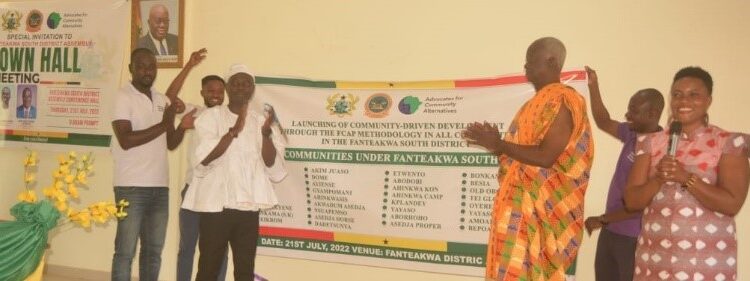
    Advocates for Community Alternatives (ACA), a non-profit making organisation, is spearheading the implementation of Facilitated Collective Action Process (FCAP) in all the 34 key towns in the Fanteakwa South district as part of efforts to deeply involve communities in the planning and execution of development projects.

    In partnership with the Fanteakwa South District Assembly, FCAP is being implemented as a community driven development tool that keeps decision-making and community development in the hands of the local community members.

    It was adopted by ACA from ‘Spark Micro-grants’, a partner NGO in East Africa (Uganda, Rwanda, Burundi and Congo), and is currently the development pattern used by the Rwandan government to develop the country.

    FCAP takes a maximum of three years in each partner community to fully implement a project, and has three main phases, namely planning, implementation and post-implementation.

    Pilot cases

    For over a year now, ACA been piloting this process in two communities in the Fanteakwa South district, namely Juaso and Nsuapemso, in partnership with the Assembly.

    Following the success of the application of FCAP in these areas, ACA has extended its coverage to all 34 communities of the district on a 60-40 percent deal. ACA will provide 60% of micro grant, which is the cedi equivalent of $9,000.00, in all 34 communities of the district while the district Assembly takes up the remaining 40%.

    Launching the FCAP at a town hall meeting held recently at Osino, the district capital, the Community Development Manager of ACA responsible for West Africa, Nana Ama Nketia Quaidoo, said it was extremely important for intended beneficiaries of every development project to be deeply involved from the scratch rather than just putting up the project for them.

    “If you have any intent of executing any development for me, engage me and let me determine what I want. So, you don’t just wake up and decide that you want to build a hospital, or school or a chapel when I, the intended user/beneficiary, don’t know anything about it,” she explained.

    “How did you know that I need a chapel? What makes you think that the location of the market is at the preferred place? These are some of the issues that hinder effective local governance in Ghana and Africa,” she again said.

    Madam Nketia Quaidoo observed that successive governments sometimes tout their achievements by mentioning a lot of infrastructural projects executed without knowing that the supposed beneficiaries do not seem to resonate with these projects because they were not involved in their implementation.

    This, she further explained, informed ACA’s decision to adopt the Facilitated Collective Action Process, which deeply involves the people in the planning and execution of any project in their community and avoids white elephant projects.

    She expressed the hope that FCAP will help drive community-driven approach in project implementation while reducing the impacts of mining on the local people.

    Read about Advocates for Alternatives on the News via https://dailystatesman.com.gh/ngo-supports-development-in-fanteakwa/


  • PILIWA Annual Conference 2022

    PILIWA Annual Conference 2022

    The Public Interest Lawyering Initiative for West Africa (PILIWA) is a professional network of West African lawyers, legal practitioners, and other advocates who use law to promote social justice.  We share a commitment to using the law to protect the rights of vulnerable individuals and communities and enhancing their ability to shape their own economic future.  We are spearheading the transformation of the legal profession in West Africa to ensure that lawyers work in the public interest rather than just in the interest of the powerful few.

    To achieve its mission, PILIWA has among other things established an annual conference to allow the members of the network to meet, share experiences and develop new legal and socio-political strategies to better promote and defend the rights of communities and ensure social justice in West Africa.

    The annual conference is a space for communication and development of strategies to strengthen the network. PILIWA members meet once a year in one of PILIWA’s member countries. It allows members of the network to discuss the cases they are working on, the progress made and the challenges encountered. This allows members to share their knowledge and experiences, reflect together on how to address challenges and more clearly identify opportunities for collaboration.

    The conference offers members of the network trainings on various human rights themes which allow them to learn different theories of change and different approaches to advocacy and strategic litigation. These trainings not only reinforce their passion for social justice but also sharpen their expertise on issues of environmental rights, land grabbing and all related rights, corporate due diligence standards, resettlement standards, mining standards, strategic litigation etc.

    Network members use the conference to also propose appropriate strategies for the future of the network. To this end, one of the successes that has emerged from the conferences is the collaboration around a legal strategy to create systemic change in West African human rights jurisprudence. This nine-country strategy consists of filing cases both internationally at the ECOWAS Community Court of Justice and also domestically before national courts to highlight the mismanagement and responsibility of States in relation to mining operations. The aim is not only to seek justice and compensation for communities affected by human rights violations caused by the extractive industries, but also to encourage ECOWAS to examine closely the degree of compliance of its countries members in respect of their obligations under international law.

    Additionally, it is hoped that these efforts will help to change national and regional policies to prioritize the interests of West African communities that suffer violations and abuses committed by multinationals. The lawyers of the network, French and English speakers, collaborate together on their respective cases and complaints filed at the level of the ECOWAS Court of Justice.

    From these annual meetings, the idea of making PILIWA an institutional and independent entity was also born, with its own constitution and operating structures with a view to ensuring effective participation and collective ownership by the members. From this institutionalization of PILIWA, was also born the idea of creating a national PILIWA chapter in each country in order to increase its actions  and impact.

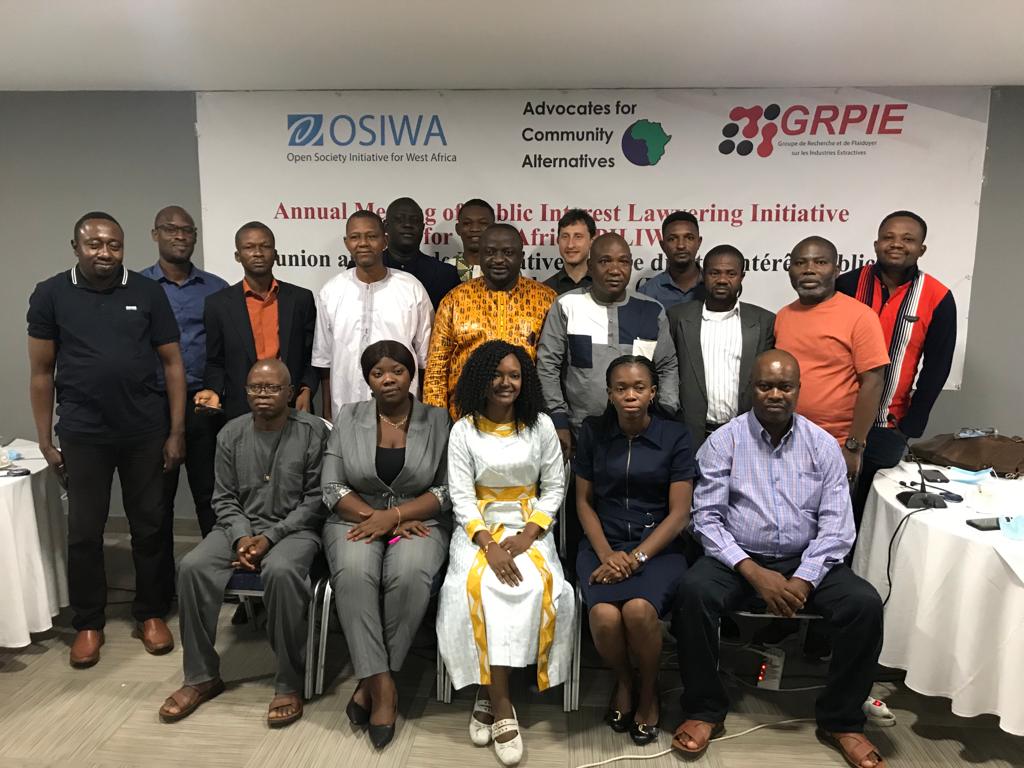
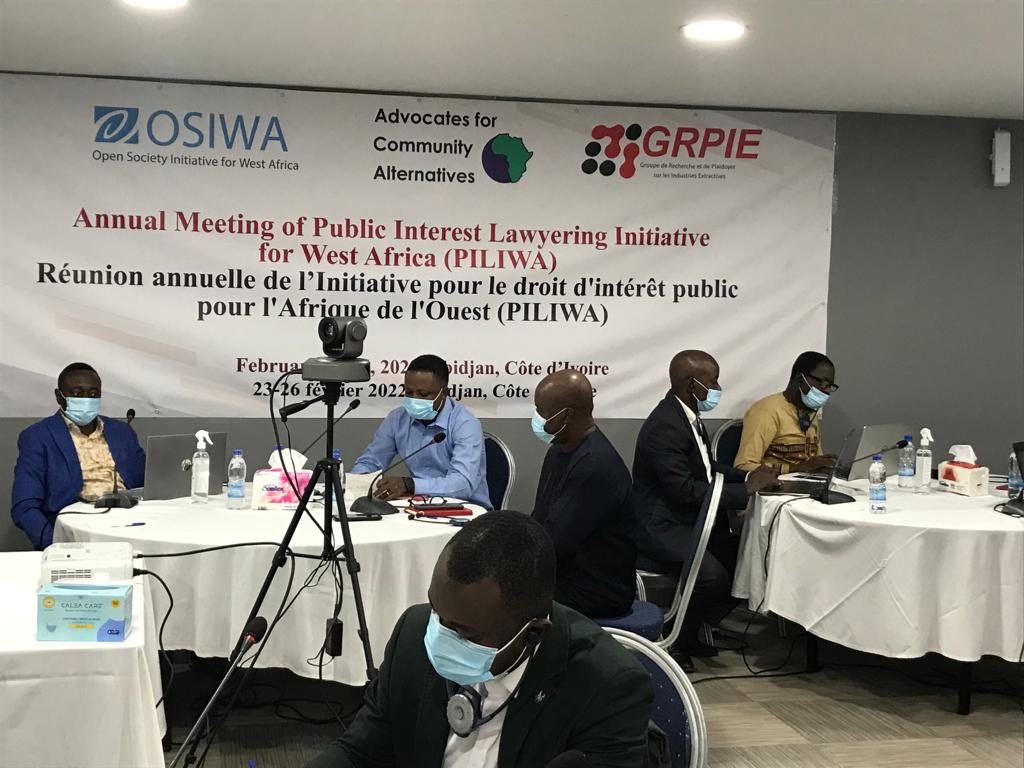
    To this end, a document stating the vision, missions, principles, theory of change of PILIWA was developed and unanimously approved at the 5th annual conference held in Abidjan in February 2022. During this meeting, the members of the network conducted as assessment of the successes of PILIWA over the past 5 years as well as its setbacks and also developed a country-specific strategic plan that will dovetail into a broader strategic plan for the PILIWA network. This strategic plan document will make it possible to better direct PILIWA’s efforts, coordinate its actions, and increase the visibility and impacts of the network. Another topic that was discussed during this meeting was the enforcement of the decisions of the ECOWAS Court of Justice by ECOWAS member countries. Indeed, members of the PILIWA network discussed the challenges faced in enforcing these judgments in favor of communities.  Considering the unwillingness of ECOWAS Member States to execute judgments, strategies for using regional and international mechanisms to force the enforcement of judgments were the subject of intense and interesting discussions at this meeting.

    In conclusion, the annual PILIWA conference allowed the network to grow in terms of membership, expertise, strategy etc.

    [/et_pb_text][/et_pb_column][/et_pb_row][/et_pb_section]

  • ACA teams up with AAAS to help Sierra Leone citizens use science in the pursuit of justice

    ACA teams up with AAAS to help Sierra Leone citizens use science in the pursuit of justice

    In March 2021, members of the Marginalized Affected Property Owners (MAPO), a community-based association in Kono District, Sierra Leone, finally learned what a decibel is.

    Of course, as residents of communities that abuts the giant Koidu Kimberlite Mine, whose operator regularly shakes the foundations of their homes with massive blasts of dynamite, MAPO members have long been intimately familiar with the impacts of decibels on their lives.  They also know very well how declining soil fertility affects their crop yields, and how the contamination of water supplies leads to skin conditions and stomach ailments.  But it’s one thing to know something in your gut, and another to understand it, measure it, and use it to advocate for yourself.

    To support the affected communities in their struggle for justice against Koidu Ltd., the operator of the diamond mine, ACA and the Network Movement for Justice and Development (NMJD) organized a five-day citizen science workshop to introduce them to basic concepts and help them gather evidence.  The workshop also benefited from technical advice by the American Academy for the Advancement of Science (AAAS) On-Call Scientist program and the participation of Dr Eric

    Adjei, a soil science expert with Ghana’s Center for Scientific and Industrial Research (CSIR).

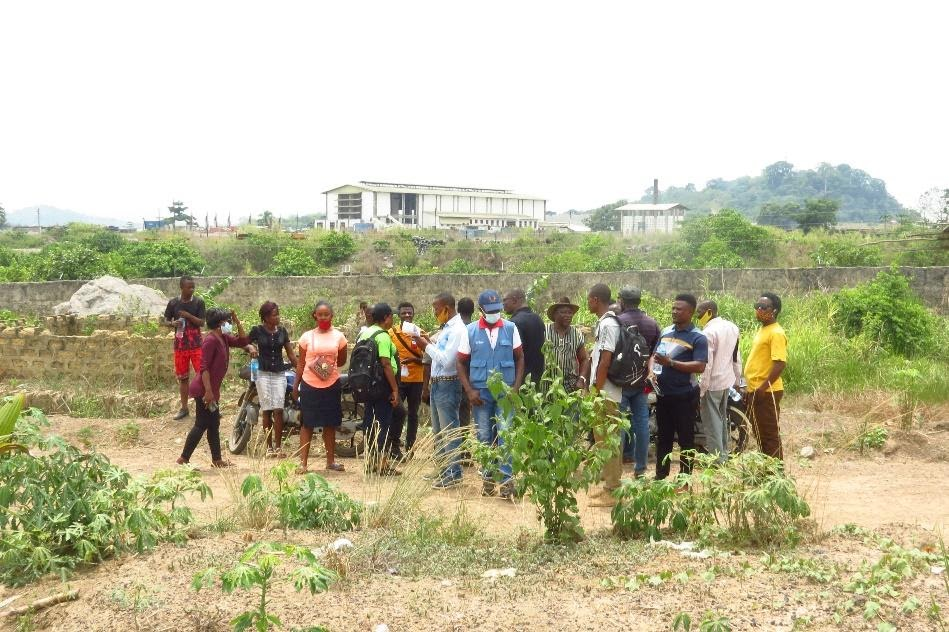
    For three days, workshop participants received an intensive education on the impacts of noise, water and soil pollution.  Then they were put to work, sent out into their own communities with measuring instruments and a detailed questionnaire.

    They were able to make their own detailed observations of their surroundings and report back to the group – how does the water taste, smell, and look?  What is happening in the immediate environment that may affect soil quality?  How noisy is it, and how does the noise affect our physical health or state of mind?  And what levels of noise, water contamination, or soil degradation are considered normal or consistent with human health?

    Thanks to this experience, MAPO members now know – among other things – what a decibel is, and that the number of decibels they are subjected to on a prolonged basis is causing long-term hearing damage.  Armed with this knowledge, MAPO members are creating action plans to further investigate

    and document the state of their natural environment and the environmental impacts of the Koidu mine.  With the assistance of ACA, NMJD, and both national and international scientific experts, they will bridge the gap between community, laboratory, and courtroom to defend and restore the water, soil, and quiet atmosphere of Kono.

  • Victims of Land Grabbing and Environmental Damage File Suit against Côte d’Ivoire in the ECOWAS Court of Justice

    Victims of Land Grabbing and Environmental Damage File Suit against Côte d’Ivoire in the ECOWAS Court of Justice

    Similimi in Abuja, 29 January 2021 – Frustrated by years of land loss, environmental destruction and stalled promises of relocation, the people of Similimi Community in northeastern Côte d’Ivoire have filed suit against their own government at the ECOWAS Court of Justice.

    Similimi residents lived mostly off their cashew and fruit trees and vegetable farms until Boundoukou Manganèse S.A. (BMSA), the subsisidary of Indian minerals company Dharni Sampda, began mining for manganese on village lands, just meters away from heavily populated areas. Their lands – the sole means of subsistence in the village – were torn from them, their natural environment invaded by fumes and dust, and their creeks polluted by toxic tailings.  As a consequence, they suffer respiratory ailments and no longer have clean water to drink.  The company conducts blasting frequently, shaking village homes and cracking their walls.  “It was a good life here in Similimi.  We breathed clean air and drank clear water.  Now everything is destroyed, and nothing is left of the Similimi we knew.  They have destroyed our fields and cultural sites, polluted our waters.  Yet the government and the company have done nothing to solve the problems, and we’re waiting to be relocated and compensated properly,” said Adou Kouamé, Chief of Similimi. 

    The people of Similimi alerted the mining company and the local authorities to these infringements of their rights and demanded relocation, but neither the State nor BMSA has taken any steps to assist the affected population.  “We have sent letters to the authorities to inform them of the environmental risks we are running, and we have complained about the environmental spoliation.  But nothing.  We continue to suffer from the operations of BMSA,” said Kobenan Kra Michel, plaintiff and a member of the Local Mining Development Committee.

    Several government delegations visited Similimi and recognized the seriousness of the conditions in which the residents were living.  They even acknowledged the need to relocate the village.  “The delegations that visited Similimi said that the village would be swallowed up if the mine were to expand, because Similimi is inside the perimeter of the extraction zone.  They made promises but never kept them,” explained Dr. Michel Yoboué, Executive Director of Groupe de Recherche et de Plaidoyer sur les Industries Extractives (Extractive Industries Research and Advocacy Group, or GRPIE), a group that defends the rights of Ivoirian mining communities and supports the plaintiffs.

    International and national legal and human rights standards require the Ivoirian government to ensure a clean living environment and provide for the proper relocation of people affected by mining projects, but the State has flouted these requirements at every turn.  “When their own internal investigation proved that BMSA was polluting the water in 2015, the Ministry of Mines reversed the environmental authorities’ decision to halt operation,” said Rashidi Ibitowa, chief counsel for the Plaintiffs.  When BMSA’s permit expired in 2019, the government granted a renewal without consulting affected communities, and despite all the outstanding complaints.
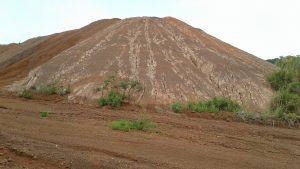
    Tailings from the processing of manganese ore are dumped in the water that the locals consume, causing diarrhea and other stomach ailments.  One of the plaintiffs, Kouakou Kouman Kouamé, is the father of a six-year-old child who died from stomach distress cause by consumption of contaminated river water.  “My son Richard complained of terrible stomach plains, and I took him to the health center at Sapli, about 4 kilometers from Similimi by a foot trail,” said Mr. Kouamé.  “He died at the health center, and the doctor who treated him explained that the stomach ailment was a result of drinking the dirty river water.  My whole family drinks from the river because we have no other source of water in Similimi.”

    The loss of farmland has meant a near-complete deterioration of livelihoods for the people of Similimi.  “My farm was my only source of income, and BMSA ruined our family when they took it away from us,” lamented Kouassi Abenan Kra Odette, President of the Similimi Women’s Association.  Meanwhile, a recent independent study sponsored by GRPIE proves that air quality in Similimi and other communities affected by the mine is poor and may cause respiratory ailments.

    GRPIE and an Ivoirian law firm, Cabinet d’Avocat SCPA les OSCARS, have teamed up with Advocates for Community Alternatives (ACA) and the Public Interest Lawyering Initiative for West Africa (PILIWA) to represent the people of Similimi.  The ECOWAS Court of Justice, based in Abuja, is empowered to hear human rights claims – such as the property, health, and environmental claims in this case – against Côte d’Ivoire and other West African governments.

    Press Contacts: 

    Côte d’Ivoire        Dr. Michel Yoboué, Groupe de Recherche et de Plaidoyer des Industries Extractives

                                  +225 07 62 35 29|myoboue@gmail.com

                                  Me. Rashidi IbitowaCounsel for the Plaintiffs

    +225 07 78 1983 | irash917@gmail.com

    International       Jonathan KaufmanAdvocates for Community Alternatives

    +233 55 555 0377| jonathan@advocatesforalternatives.org

    Prince Chima WilliamsPublic Interest Lawyering Initiative for West Africa

    +234 802 364 9890 | princewchima@yahoo.co.uk

    Documents

    Adou Kouamé et autres c. Côte d’Ivoire – Plainte CEDEAO – 29.01.2020

    Communiqué de presse plainte CEDEAO Similimi – 29.01.2021

    Similimi ECOWAS Complaint – press release 29 Jan 2021
  • Victory at the ECOWAS Court of Justice: Judges hold Guinea responsible for Zoghota Massacre

    Victory at the ECOWAS Court of Justice: Judges hold Guinea responsible for Zoghota Massacre

    ABUJA, NIGERIA – 10 NOVEMBER 2020 – For over eight years, the people of Zoghota in southern Guinea have been seeking justice for the massacre that devastated their village. Today, they can finally celebrate a ruling from the regional ECOWAS Court of Justice declaring that Guinean security forces are responsible for the murder, arbitrary arrests, and torture of Zoghota’s citizens.

    Just after midnight on 4 August 2012, Guinean security forces entered the community, firing wildly. They killed six villagers, wounded several others, burned homes, and stole personal property. “They came at night, while the people were sleeping,” said Kpakilé Gnédawolo Kolié, the President of the community, who is also the leader of the collective of victims of the massacre. “We were woken up by the sound of bullets, and when people went outside to see what was happening, they gunned our fathers and brothers down.” Some villagers who were arrested during the attack were tortured by soldiers who cut them on their arms, necks, and wrists. Security forces arbitrarily arrested and tortured Zoghota residents before and after the massacre, as well.

    The attack was retaliation for a large-scale protest over employment practices and environmental destruction at the Zoghota iron ore mine owned by Vale-BSG Resources (VBG), an international mining conglomerate. During the protests, villagers from several of the communities surrounding the mine – led by the residents of Zoghota village – occupied the mine site and were accused of destroying company property.

    The massacre was never investigated by Guinean authorities, and security forces and the company
    provided conflicting explanations for the killings. Guinean human rights organization Les Mêmes Droits pour Tous (MDT) filed a criminal complaint against several security forces commanders in 2013, but the case never advanced. Most of the defendants refused to appear before a judge to answer for their actions, and the file was eventually transferred to a military tribunal, where it languished. The mining company’s responsibility was never fully investigated, despite clear evidence of their participation in the planning and execution of the attack.

    Represented by MDT and Advocates for Community Alternatives (ACA), a Ghana-based human rights organization, the people of Zoghota turned to the ECOWAS Court of Justice – a regional court with the power to hold West African states responsible for human rights violations – in October 2018. Today’s ruling was a complete vindication of their claims.

    “The Court agreed that Guinea’s security forces violated the rights to life, freedom from torture and arbitrary arrest, and an effective legal remedy,” said Me Foromo Frédéric Loua, President of MDT. “Finally, after eight long years, the perpetrators of this heinous act will be held responsible for their crimes.” The Court also ordered Guinea to pay a total of 4.56 billion Guinean francs (approximately 463,000 U.S. dollars) to the victims and their families.

    The action now turns to Guinea’s domestic courts, where community members have renewed their complaint against the security forces and demanded an investigation into the role that VBG played in the massacre. “It’s now time for the Guinean institutions to finish what the ECOWAS Court started, and to prosecute and punish the security commanders and corporate agents who executed the Zoghota massacre,” said Jonathan Kaufman, Executive Director of ACA.

    The ECOWAS Court’s ruling also has important implications for the future of mining around Zoghota. VBG suspended its operations at Zoghota after the massacre and then lost its concession to mine iron ore there in a massive corruption scandal. However, Guinea recently announced plans to re-award the concession to Niron Metals, a company linked to Beny Steinmetz, one of VBG’s ultimate owners and beneficiaries. “We’ve told the government that there will be no mining at Zoghota until we see justice for the massacre,” said Mr. Kolié. “The ECOWAS Court’s judgment will help us to stand firm, because now we know that beautiful day is getting closer.”

    Judgment – Kolie v. Guinea – ECW/CCJ/JUD/25/20

  • ACA Supports COVID-19 Prevention in Nkoranza South

    ACA Supports COVID-19 Prevention in Nkoranza South

    As Ghana – like the rest of the world – comes to grip with the COVID-19 pandemic, ACA is doing its part to help our partner communities in Nkoranza South prepare for impact.

    In partnership with the Nkoranza South Municipal Health Directorate, we have supported the training fifty (50) community health volunteers on the origin and symptoms of COVID-19, and the measures that communities can take to stop the spread of the virus.  These volunteers, who include several members of the Citizens Committee Network (CICONet) that ACA organized to form an interface between communities and local authorities, will educate the communities through the village public address system, help the Municipal Health Directorate identify people who enter the communities and target them for screening, and help with contact tracing if community members are found to be infected with the COVID-19 virus.
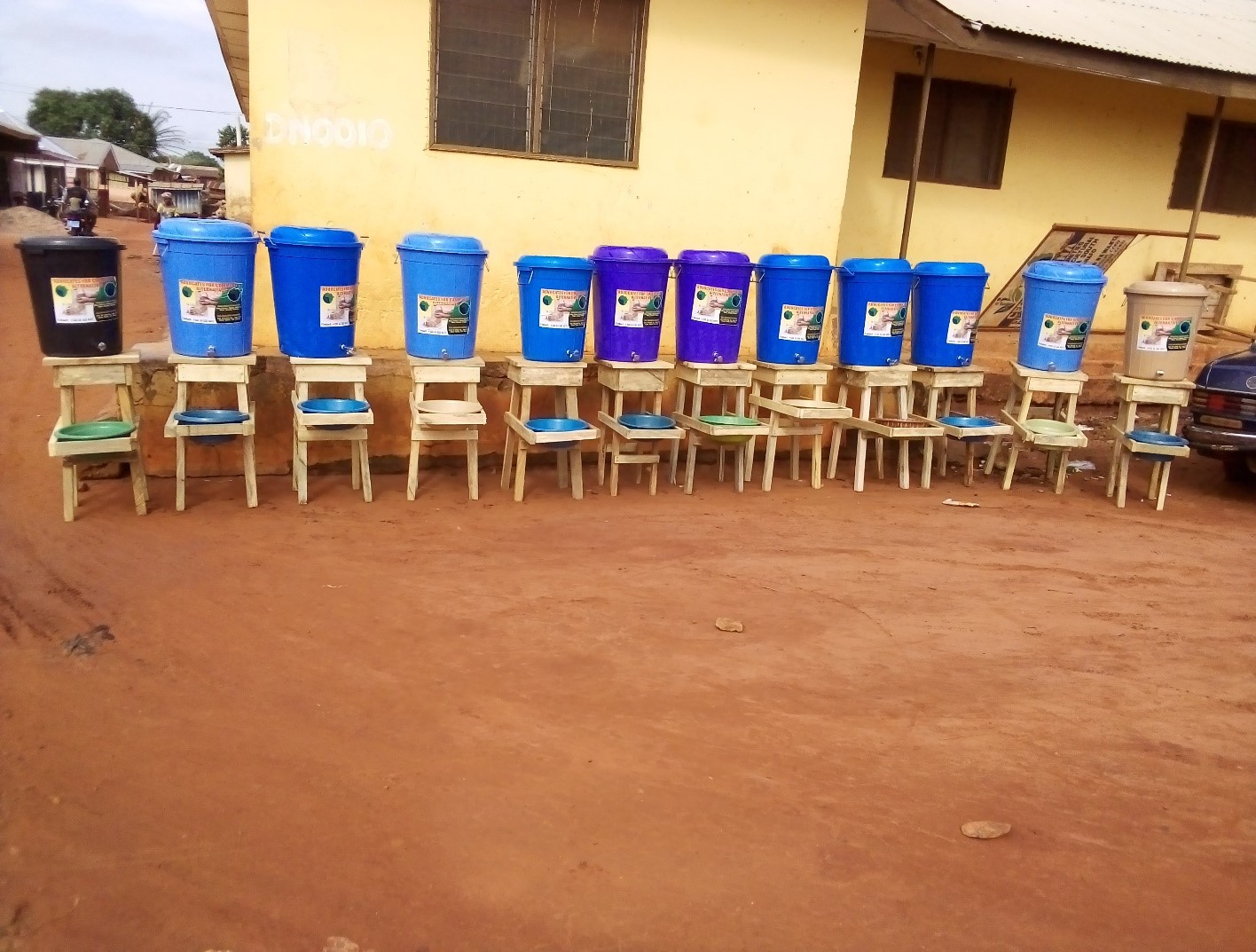
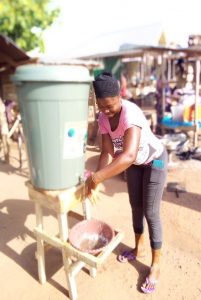
    ACA has also set up and is assuring the equipment and maintenance of twenty hand-washing stations in Donkro Nkwanta, Kyeredeso, Nwoase, and Salamkrom as a first-line measure for preventing the spread of the virus. Items donated include Veronica buckets, wooden stands, soap, and hand washing bowls.

    Despite limitations on public gatherings during the pandemic, all of ACA’s assistance and interventions are the product of consultation and direction from community leaders, public health experts, and – as much as possible – the population of the communities.

    “We are very grateful to ACA for all the support given to us; we have benefited from the Facilitated Collective Action Process (FCAP) as well as legal services and now preventive equipment for COVID-19,” says Nana Kwabena Otoo, the Caretaker Chief of Nwoase Village.