In March 2021, members of the Marginalized Affected Property Owners (MAPO), a community-based association in Kono District, Sierra Leone, finally learned what a decibel is.
Of course, as residents of communities that abuts the giant Koidu Kimberlite Mine, whose operator regularly shakes the foundations of their homes with massive blasts of dynamite, MAPO members have long been intimately familiar with the impacts of decibels on their lives. They also know very well how declining soil fertility affects their crop yields, and how the contamination of water supplies leads to skin conditions and stomach ailments. But it’s one thing to know something in your gut, and another to understand it, measure it, and use it to advocate for yourself.
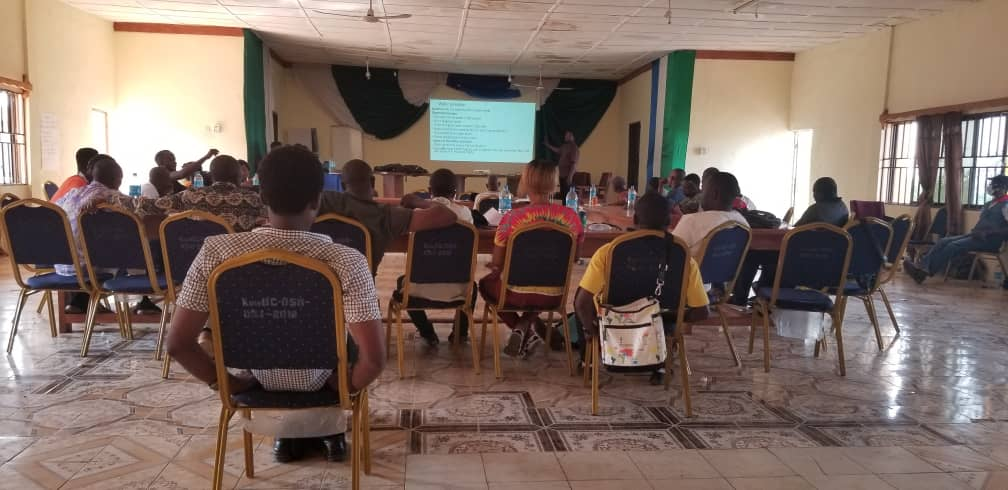
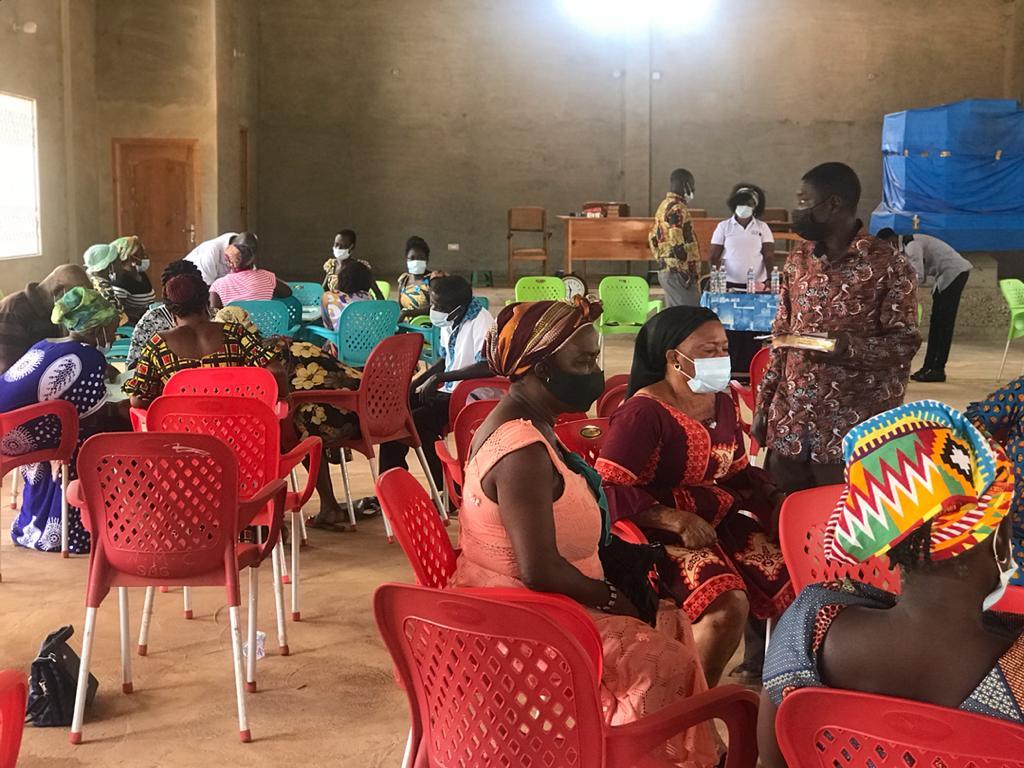
To support the affected communities in their struggle for justice against Koidu Ltd., the operator of the diamond mine, ACA and the Network Movement for Justice and Development (NMJD) organized a five-day citizen science workshop to introduce them to basic concepts and help them gather evidence. The workshop also benefited from technical advice by the American Academy for the Advancement of Science (AAAS) On-Call Scientist program and the participation of Dr Eric
Adjei, a soil science expert with Ghana’s Center for Scientific and Industrial Research (CSIR).
For three days, workshop participants received an intensive education on the impacts of noise, water and soil pollution. Then they were put to work, sent out into their own communities with measuring instruments and a detailed questionnaire.
They were able to make their own detailed observations of their surroundings and report back to the group – how does the water taste, smell, and look? What is happening in the immediate environment that may affect soil quality? How noisy is it, and how does the noise affect our physical health or state of mind? And what levels of noise, water contamination, or soil degradation are considered normal or consistent with human health?
Thanks to this experience, MAPO members now know – among other things – what a decibel is, and that the number of decibels they are subjected to on a prolonged basis is causing long-term hearing damage. Armed with this knowledge, MAPO members are creating action plans to further investigate
and document the state of their natural environment and the environmental impacts of the Koidu mine. With the assistance of ACA, NMJD, and both national and international scientific experts, they will bridge the gap between community, laboratory, and courtroom to defend and restore the water, soil, and quiet atmosphere of Kono.
Notes from the Field: Liberian communities taking development into their own hands
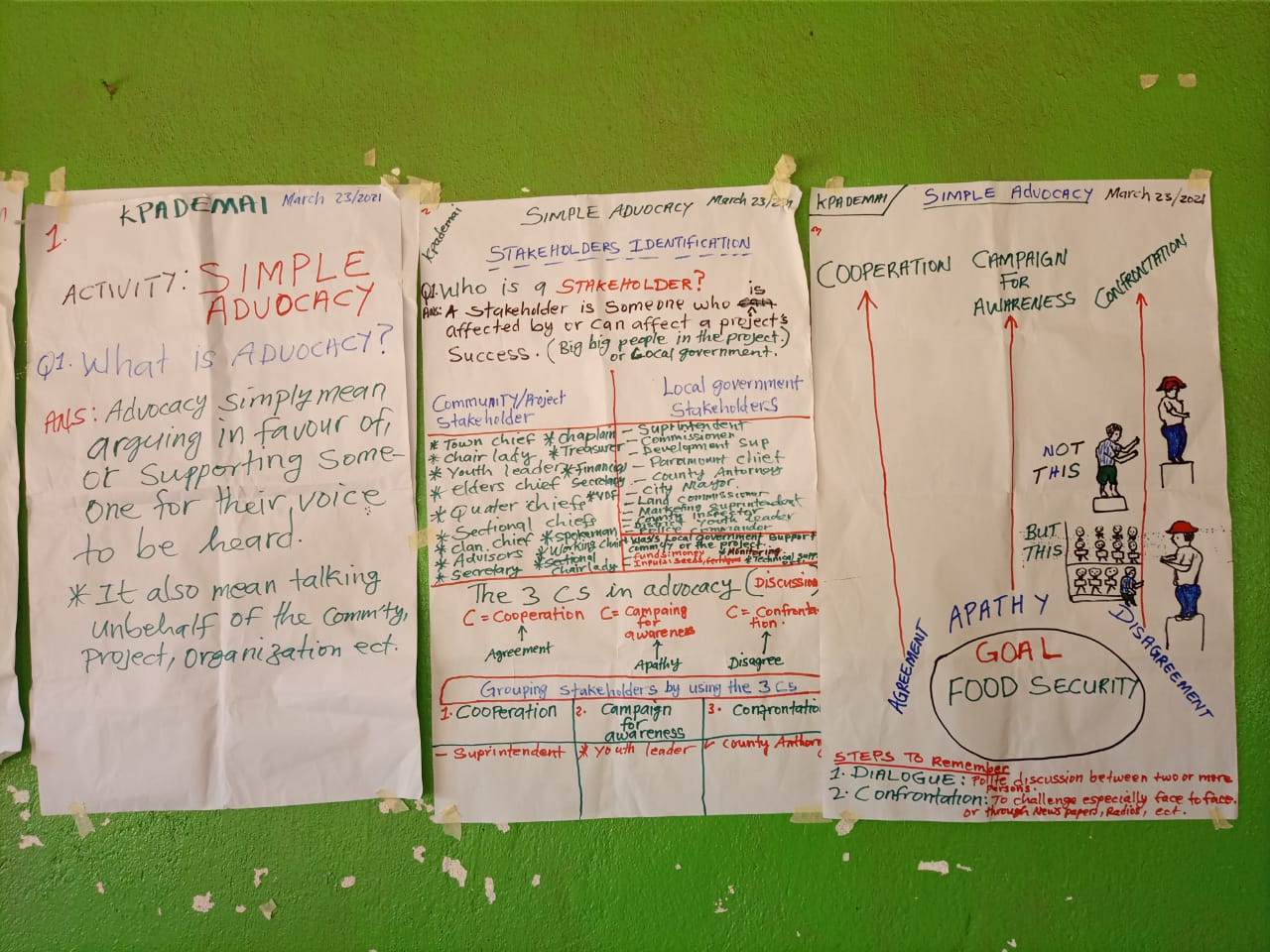
In late March 2021, Advocates for Community Alternatives (ACA) embarked on a field mission to rural Liberia to assess its programs, support partners, and build new collaborations. The findings were very encouraging: the partner communities are embracing community-driven development in a very remarkable way and are joyfully taking the initiative to remake their communities according to their own vision.
These field visits took place between March 20th and 31st, 2021 in Lofa county: a region in Liberia well known for producing rice. Focus was laid on communities which were undergoing the Facilitated Collective Action Process (FCAP) activities. The primary purpose of the visit was to assess the performance of the communities on the overall FCAP projects in the Wologizi Mountain communities, provide support and guidance to implementing partners on how to maintain good FCAP practices and build effective working relationships with them. This visit provided ACA with a unique opportunity to know the real impacts of the projects and the challenges therein.
The ACA team embarked on a capability building training for implementing partners on Monitoring, Evaluation and Learning (M&EL) as well as on the use of Microsoft Excel. The desire to put in place systems that guarantee efficiency and improve the skills of participants necessitated these training sessions. At the end of the sessions with the implementing partners, a debriefing session was held to discuss the challenges that were encountered and propose solutions on how to tackle them.
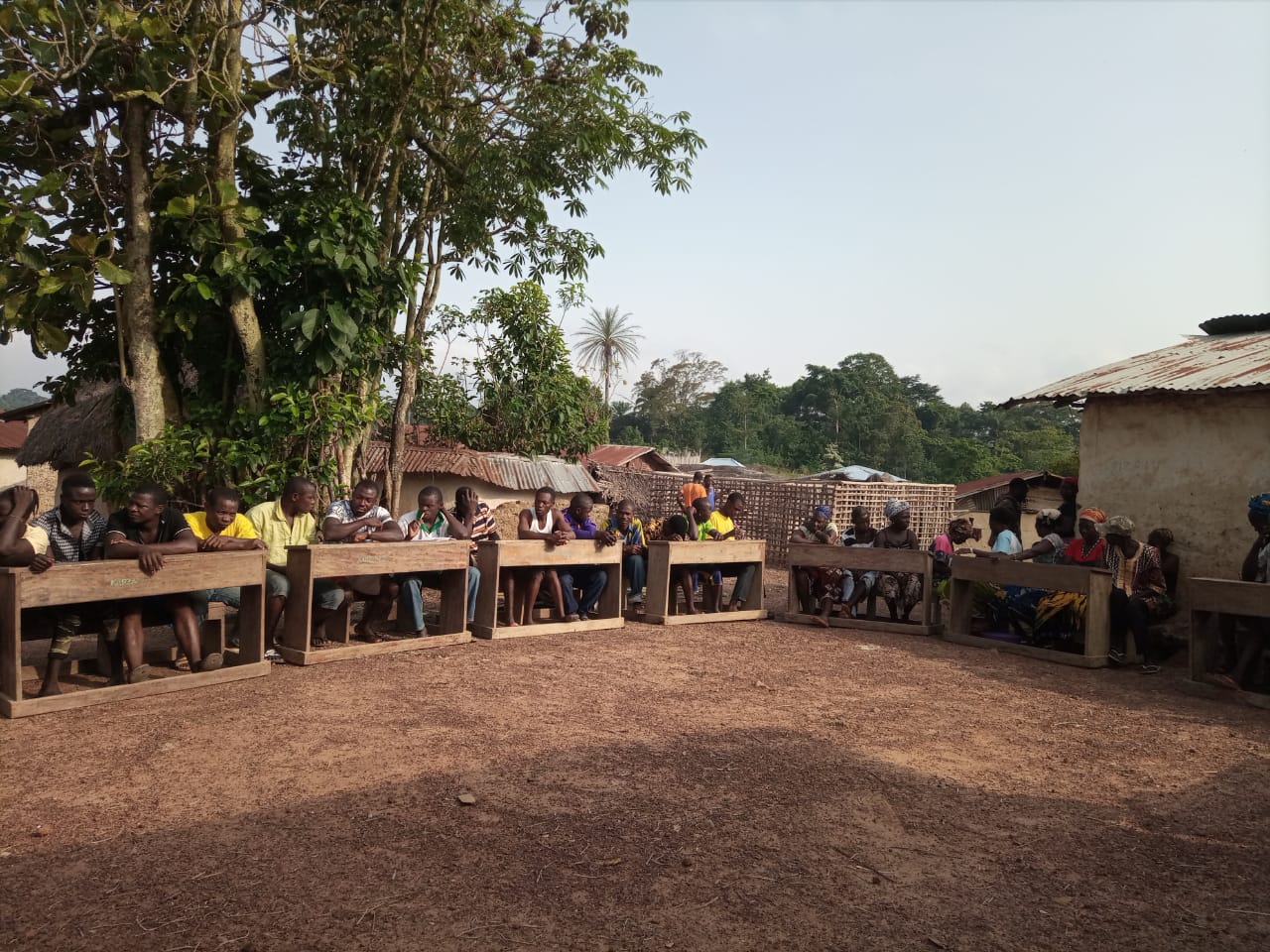
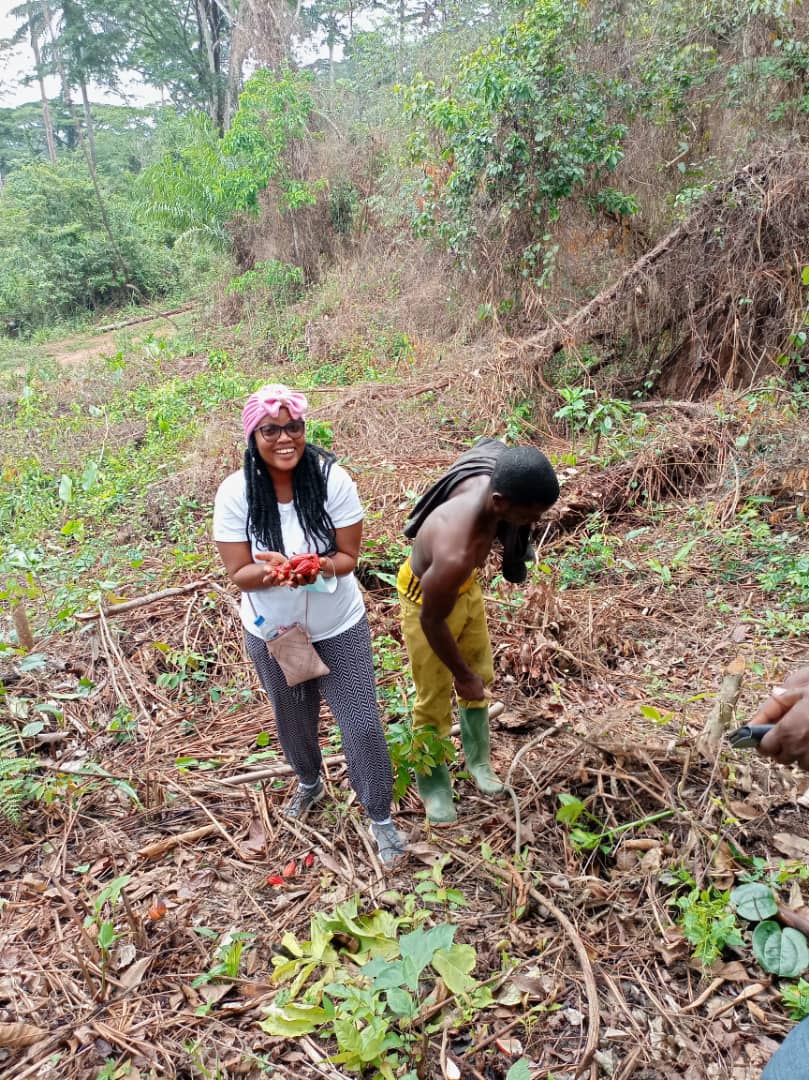
ACA through Village Development Fund (VDF) and Green Advocates International (GAI) support four communities Karzah, Kpademai, Wobeyimeh and Betibah in Wologizi mountain in Lofa County. Although all the communities are making encouraging efforts to improve their communities through the FCAP process, it is worth sharing that, “Wobeyimeh”, one of the smallest communities that developed its vision to be a community with modern houses, has proven that words are powerful when supported with actions. It was observed that the community had built a community center with a sitting capacity of about 400 people which serves as a meeting place for everyone during community decision-making. It is also worth mentioning that Wobeyimeh, has gone further to build cement houses with painted and glass windows as a fulfilment of their vision. The community’s next objective is to build a rice factory which will aid in the processing of the harvested rice through the FCAP Microgrant.
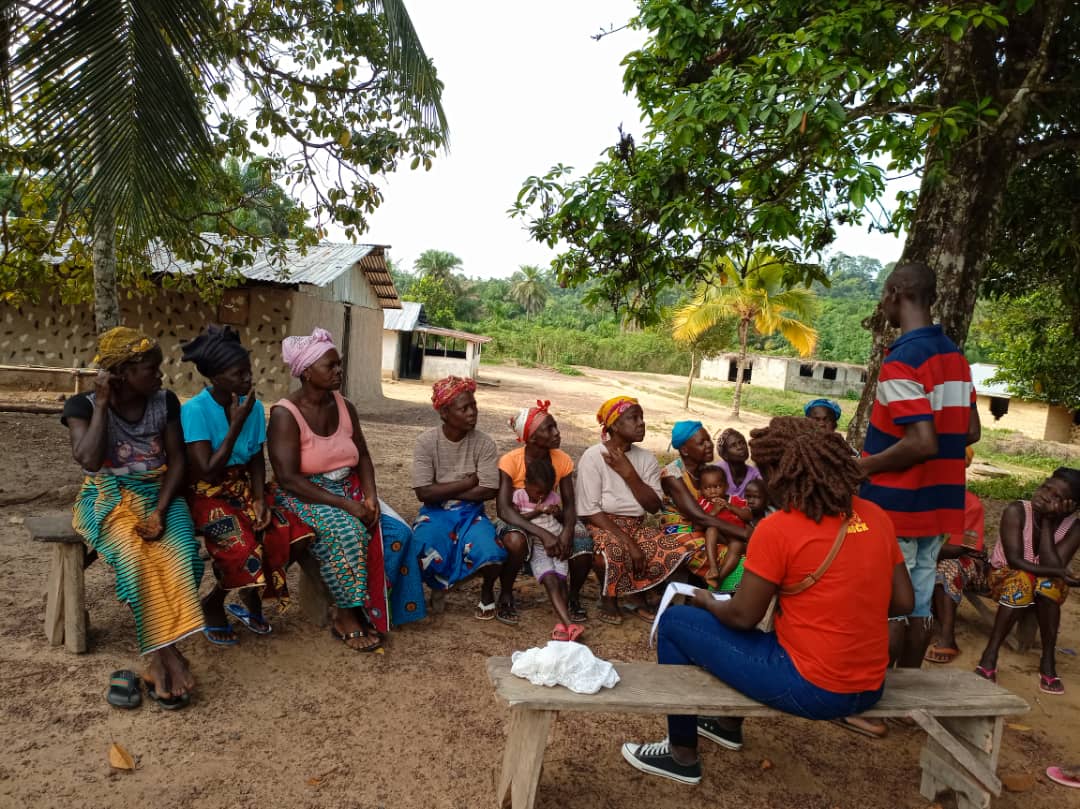
The team then moved on to Margibi County. Popularly known for its rubber plantation, Margibi has the communities of Dokai, Jorkporlorsue, Bloume and Kolleh-Dapolo under its jurisdiction. The main objective for this visit was to assist in strengthening women to become economically independent and to be empowered on how to resist sexual violence. For this reason, ACA has advanced plans and has started carrying out baseline community assessment together with community leaders.
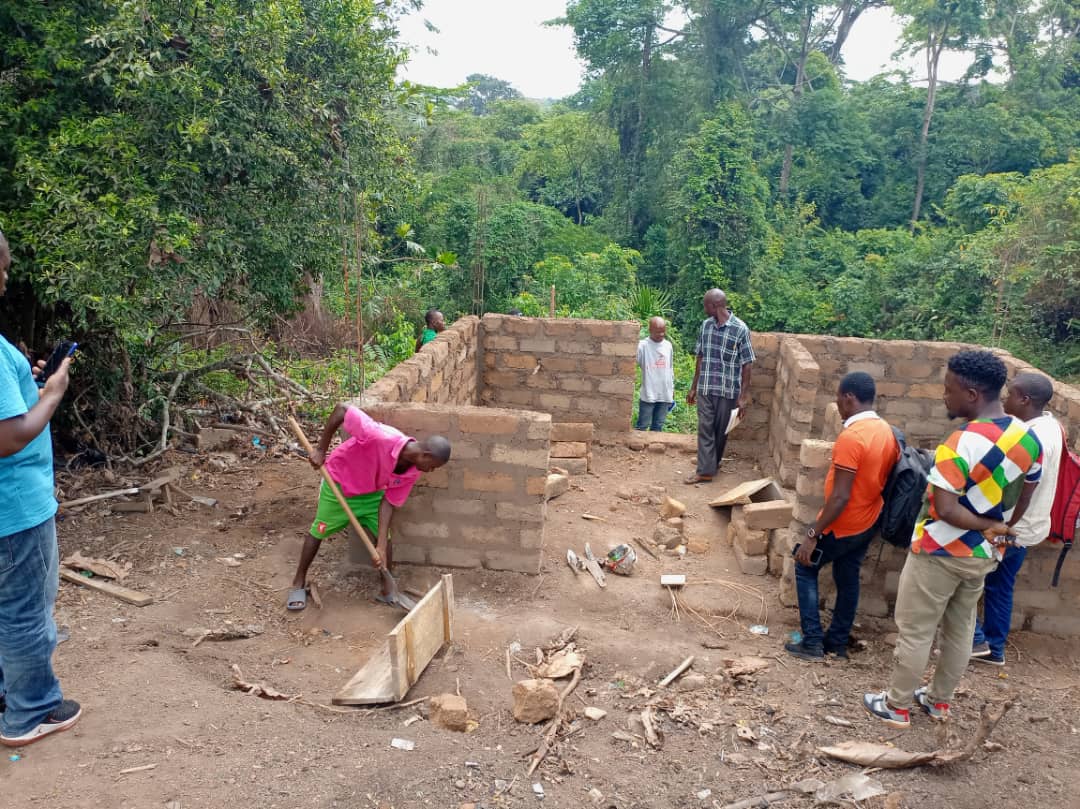
(Wobeyimeh Community rice factory project under construction)(Notes from Kpademai Planning phase)(Karzah in FCAP meeting discussing among peers )(A visit to Betibah community rice farm)Meeting with some women in SRC Communities.
LAND ENCROACHMENT AT JUASO, NWOASE, AND DONKRO NKWANTA.
Advocates for Community Alternatives(ACA) partner communities in Ghana are facing land challenges by powerful actors such as mining companies and traditional authorities. They are, however, mounting a courageous resistance to the land challenge using a number of strategies.
Juaso
Kibi Goldfields Ltd. (KGL) operates a gold mine in the Juaso community in the Eastern Region of Ghana.
BSD, a subsidiary of Kibi Goldfields, has mined 2 feet away from the stream which is identified to be a buffer zone and against the law. In March 2021, the natives in the community noticed that Kibi Goldfields had intentions of carrying out their mining activities in the stream which is their source of water for domestic use.
The community, realizing that mining in a watercourse could affect their health, decided to protest against the company.They gathered at the company premises clothed in red attires to show their displeasure and make their voices heard. This forced the company to withdraw from the illegal project.
Just a month after ceasing operations in the stream, Kibi Goldfields entered another part of the community, popularly referred to as “Old Cemetery,” and cleared approximately 17.5 acres of farmland to extend their mining activities. Once again, their activities were illegal because they failed to seek permission from the landowners
The natives of Kibi, reported to the District Chief Executive (DCE) and the District Police Commander and made their grievances known to them. The DCE intervened, and the company ceased its operations in the Old Cemetery area.
In April 2021, KGL extended operations to another piece of land at the outskirts of the community. Unfortunately, they also chose to clear roads through the villagers’ cocoa plantations to access their new mining site. In constructing the roads, some cocoa trees were destroyed without prior notice or compensation to the farm owners. Instead,the company only reached out to the community to call them for negotiations over compensation after cutting the trees. This is a clear violation of Regulation 14 of the Minerals and Mining (Compensation And Resettlement) Regulations, 2012 (L.I. 2175).
Nwoase
Offspring of settlers from the northern region of Ghana have been living peacefully and farming for years alongside the indigenous population in the village of Nwaose, in the Bono East Region. The Nwoase’s traditional chief,Atekoanohene, has however, upset both settlers and indigenes, for which he sold nearly all the village’s farmland to outsiders. The villagers are losing their lands in which they have cultivated household crops and watermelons(main source of income) to another traditional ruler. Their cashew plantation lands have also been sold off to a group of soldiers.
Even though the chief’s unethical actions affected both settlers and indigenes, the settlers, also tenant farmers, are hurt deeply as they have nowhere else to go. This is because they did not keep ties with their ancestors’ original communities, and have always carried out their duties to the Atekoanohene as subjects of the stool.
This is not the first time that the Atekoahene has placed his own financial gain over the good of the residents of Nwoase. In past years, he has demanded tribute of goats for the privilege of continuing to farm the land or even for rearing animals within the village. He extorts hundreds of cedis from residents before allowing them to bury their deceased on village land and forbids them from growing crops with germination periods of longer than three months. Earlier this year, the chief struck back against the farmers’ decision to continue farming their land. Announcing that he would “replace the people with cattle,” he signed a deal with local ‘Fulani’ herders, inviting them to bring cows to graze on community farmland and even within the confines of the village itself.
The people believe their chief is engaging in human right violations by depriving them of their right to livelihood, as well as violating his constitutional duties to administer the land for the benefit of the subjects of the stool.
Most recently, the land caretaker, who sold land to the soldiers, cut down cashew trees on another piece of land and replanted new cashews. The community has complained to Ghana’s Commission for Human Rights and Administrative Justice and is awaiting the Commission’s recommendations.
Donkro Nkwanta
The community of Donkro Nkwanta is located in the Nkoranza South District of the Bono East Region, adjacent to Nwoase. About ten years ago, the people of Donkro Nkwanta successfully led a coalition of three other neighboring communities to reject the expansion of industrial gold extraction by U.S. mining giant Newmont. The residents remain united against any form of mining in the future.
This resolution, however, is now being tested, as the Nkoranzahemaa, the Queen Mother currently exercising traditional authority over the Nkoranza Paramount Chieftancy, has sold land belonging to Donkro Nkwanta to AnnG Farms, purportedly for the cultivation of cash crops. Although the people and king of Donkro Nkwanta have protested strongly, AnnG has already destroyed several acres of cashew trees belonging to community farmers.
Community members, fearing that the land will actually be used for mining, have taken their concerns to the Nkoranza South Municipal Security Committee, which recommended that the Donkro Nkwanta land be returned to its original owners. The community continues to stand firm with their king to insist that their right to land ownership should be respected.
(The Juaso stream after the illegal mining activities)
(A cleared piece of land in Juaso used by Kibi Goldfields two metres from the stream)
(BSD, a subsidiary of Kibi Gol(dfields mining two metres away from the Juaso stream)
(cocoa trees cut down by Kibi Goldfields at the Old Cemetery area)
(road created by Kibi Goldfields through individual cocoa farms at Old Cemetery)
It is a bright Wednesday morning with the sun’s rays glimmering in Segyimase, a small community within the Abuakwa South Municipality. Famous for its gold, Osino, capital of Fanteakwa South District is a town located in the Eastern Region of Ghana along the Accra-Kumasi highway and home to the people of Juaso and Nsuapemso. 19 May 2021 marks another eventful day for the people of these three communities. The people of Segyimase, Nsuapemso and Juaso have gathered for their monthly Citizen Committee Network (CiCoNet) meeting at the Methodist Church of Segyimase. The strong desire to develop their communities has brought together this group of determined people to deliberate on how to improve on their livelihood.
The main objective of CiCoNet is to build the capacities of 60 members from these three communities who would serve as intermediates and whose duty is to help advocate on behalf of communities to see development happening within their communities. Through these meetings, these members would be empowered and acquire knowledge and skills on how to address issues pertaining to the development of their communities, and how to present situations to their local governments when need be. Cognizant of the fact that they cannot rely completely on the Government or Non-Governmental Organizations (NGOs) for their survival, they have taken this bold step to harness the potential of their communities for progress and development.
Like all other meetings, they began by reminding themselves of their vision, mission and goals which they had initially developed. This reminder instills in them the strong desire to succeed and propels them towards working hard in achieving their goals. It is also a way of prompting them about their various roles and responsibilities in developing their community.
Figure 1: CICONet members participating in confidence building exercise.
Today’s session which recorded a total of 47 participants, focused on building self-confidence. Participants were engaged in confidence building activities, experience sharing and learning. They were divided into groups and given a task to carry out. To encourage participation, each participant presented the roles they played in ensuring that the exercise was completed. Each group chose a group representative who did the main presentation. Groups graded themselves based on their confidence levels. They also identified the challenges they faced and what they could have done better if they had a second chance.
Figure 2: Presentation of results by a group member
Participants were then given another opportunity to undertake the same activity and were asked to grade themselves again. It was observed,that the level of confidence of participants had improved.
When queried about what had changed, most participants attributed their improvement to the lessons learnt from the first trial and the desire to get better. Some referred to the slogan “Experience is the best teacher.”
After the exercise, participants were then taken through a talk by the Community Development Officer of ACA, Nana Ama. While making reference to the exercise they just completed, she explained to them the importance of building self-confidence and different ways in which it could be done. She concluded by encouraging them to assist each other as much as possible in this path.
Giving his impressions about the meeting, George Owusu Asante, Chairman of CICONet stated: “Today’s meeting has encouraged us to be bold and courageous. It has made us to feel more confident and has taught us about unity and love. Now, we have the courage to approach the authorities and present our problems.”
It is therefore very important for these communities to be aware of their rights as well as their roles and responsibilities and the need to hold their local authorities accountable, while honoring their responsibilities. This is a major step in ensuring responsiveness, mutual accountability and sustainable development.
ACA Legal Team Educates Juaso Victims on Mining Compensation Procedures as the Community’s Fight for Survival Continues.
The community of Juaso seem to be re-living one of their worst nightmares. Within the past few years, most of them have lost an immeasurable number of resources due to mining activities being carried out in the area by Kibi Goldfields Limited (KGL). Farmers have lost large tracts of land, depriving them of their major sources of income with little or no compensation. Many families have lost a greater part of their heritage to these miners. As a result, community members have become disillusioned as their complaints to local authorities to halt the menace and for compensations to be made, seem to be falling on deaf ears.
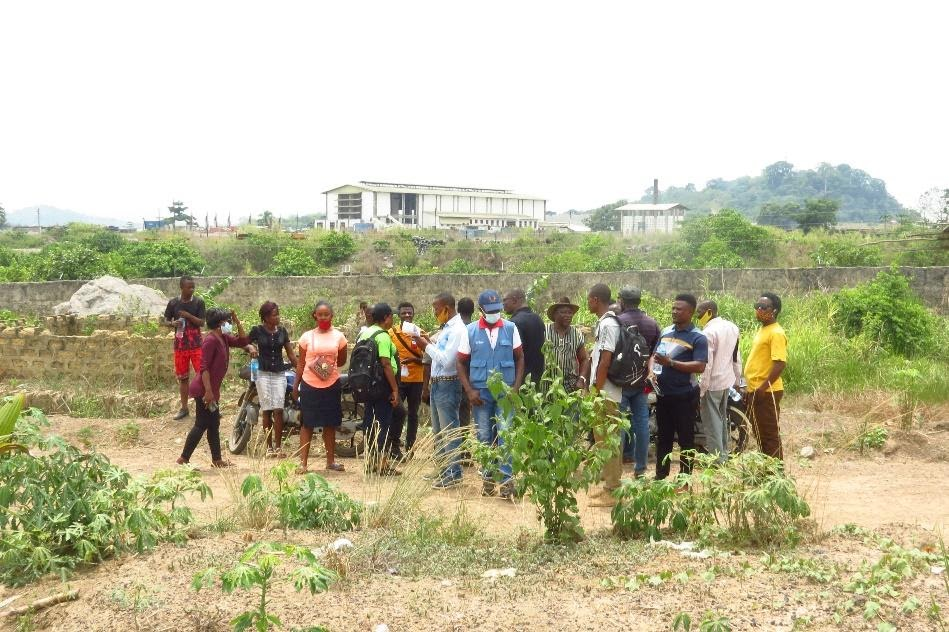
Figure SEQ Figure |* ARABIC 1: A cross section of Juaso Community members
Farmlands that were once fertile grounds for food crops have now been replaced by stony roads. The indigenes complain of the use of the military to intimidate them into accepting the conditions laid out to them. Community members reckon that they woke up one morning to the realization that activities such as cutting down of trees had been going on at night while they were asleep. Some attest to being told by KGL that the activities were carried out at night because they were conscious of the fact that the community would not approve of them.
KGL has been granted the permit by the government to mine in the area but have failed to follow proper consultation processes with the community and have also ignored the statutory compensation procedures according to Ghanaian law, thereby providing either meagre compensations or nothing at all to affected victims
It is saddening knowing that these people are being deprived of their major source of livelihood without proper compensation. As part of Advocates for Community Alternatives’ (ACA) role in ensuring that these communities sustain their livelihood, a partnership was formed with Centre for Public Interest Law (CEPIL). The goal of this partnership is to guide communities like Juaso to make informed decisions and take actions regarding issues related to mining and its impact on the community.
To that effect, the Executive Director of ACA, Jonathan Kaufman paid a visit to Juaso on Friday 21 May 2021 to have a clearer picture of the situation and to educate the people on their rights with respect to compensations. During the interactions, he clearly explained the legalities surrounding compensations with regards to areas affected by mining enshrined in the laws of Ghana. Mr. Kaufman also highlighted the fact that some of these laws were not in alignment with international laws.
Figure 3: ACA team interacting with some community members.
He educated the community on those areas which were excluded from mining procedures (forest reserves, water bodies) and those which were not (fields, homes, schools, roads). This was aimed at creating awareness on the long-term consequences these activities might have on them if proper measures were not taken.
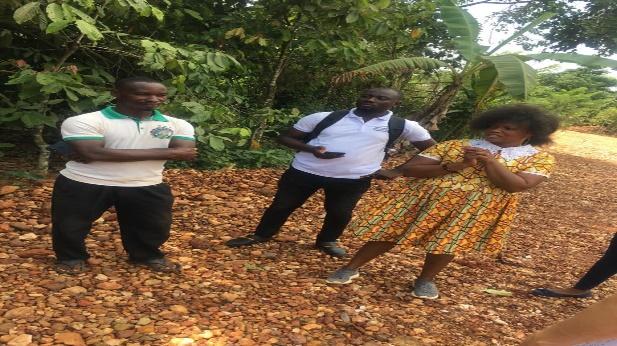
The ACA team accompanied by four community members also visited the site to enhance the knowledge of the community on how compensation plans work. This included Francis, a 42-year-old farmer who had been greatly affected by these mining activities. Based on what he had lost, and with the guidance of a compensation template, the group was able to develop an estimate of what his compensation ought to have looked like. The difference in the methods of compensation plans per company was also taken into consideration. Community members felt cheated by the revelations of the findings. A template was provided to aid the community calculate the value of what they had lost.
It is worth noting that the initial mining site on which KGL was carrying out its activities had been abandoned in search of a new site. The big question here is “Is KGL giving the community members their rightful due after the destruction being caused?”
These and other thought-provoking questions are the drivers that prompt ACA to join forces with the community in seeking possible solutions towards ensuring that the people of Juaso are adequately compensated by these mining companies.
Similimi in Abuja, 29 January 2021 – Frustrated by years of land loss, environmental destruction and stalled promises of relocation, the people of Similimi Community in northeastern Côte d’Ivoire have filed suit against their own government at the ECOWAS Court of Justice.
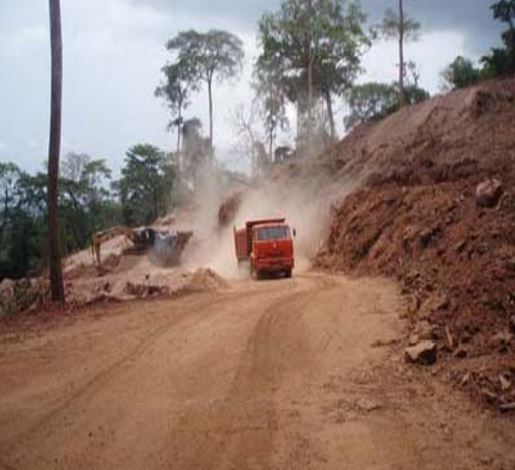
Similimi residents lived mostly off their cashew and fruit trees and vegetable farms until Boundoukou Manganèse S.A. (BMSA), the subsisidary of Indian minerals company Dharni Sampda, began mining for manganese on village lands, just meters away from heavily populated areas. Their lands – the sole means of subsistence in the village – were torn from them, their natural environment invaded by fumes and dust, and their creeks polluted by toxic tailings. As a consequence, they suffer respiratory ailments and no longer have clean water to drink. The company conducts blasting frequently, shaking village homes and cracking their walls. “It was a good life here in Similimi. We breathed clean air and drank clear water. Now everything is destroyed, and nothing is left of the Similimi we knew. They have destroyed our fields and cultural sites, polluted our waters. Yet the government and the company have done nothing to solve the problems, and we’re waiting to be relocated and compensated properly,” said Adou Kouamé, Chief of Similimi.
The people of Similimi alerted the mining company and the local authorities to these infringements of their rights and demanded relocation, but neither the State nor BMSA has taken any steps to assist the affected population. “We have sent letters to the authorities to inform them of the environmental risks we are running, and we have complained about the environmental spoliation. But nothing. We continue to suffer from the operations of BMSA,” said Kobenan Kra Michel, plaintiff and a member of the Local Mining Development Committee.
Several government delegations visited Similimi and recognized the seriousness of the conditions in which the residents were living. They even acknowledged the need to relocate the village. “The delegations that visited Similimi said that the village would be swallowed up if the mine were to expand, because Similimi is inside the perimeter of the extraction zone. They made promises but never kept them,” explained Dr. Michel Yoboué, Executive Director of Groupe de Recherche et de Plaidoyer sur les Industries Extractives (Extractive Industries Research and Advocacy Group, or GRPIE), a group that defends the rights of Ivoirian mining communities and supports the plaintiffs.
International and national legal and human rights standards require the Ivoirian government to ensure a clean living environment and provide for the proper relocation of people affected by mining projects, but the State has flouted these requirements at every turn. “When their own internal investigation proved that BMSA was polluting the water in 2015, the Ministry of Mines reversed the environmental authorities’ decision to halt operation,” said Rashidi Ibitowa, chief counsel for the Plaintiffs. When BMSA’s permit expired in 2019, the government granted a renewal without consulting affected communities, and despite all the outstanding complaints.
Tailings from the processing of manganese ore are dumped in the water that the locals consume, causing diarrhea and other stomach ailments. One of the plaintiffs, Kouakou Kouman Kouamé, is the father of a six-year-old child who died from stomach distress cause by consumption of contaminated river water. “My son Richard complained of terrible stomach plains, and I took him to the health center at Sapli, about 4 kilometers from Similimi by a foot trail,” said Mr. Kouamé. “He died at the health center, and the doctor who treated him explained that the stomach ailment was a result of drinking the dirty river water. My whole family drinks from the river because we have no other source of water in Similimi.”
The loss of farmland has meant a near-complete deterioration of livelihoods for the people of Similimi. “My farm was my only source of income, and BMSA ruined our family when they took it away from us,” lamented Kouassi Abenan Kra Odette, President of the Similimi Women’s Association. Meanwhile, a recent independent study sponsored by GRPIE proves that air quality in Similimi and other communities affected by the mine is poor and may cause respiratory ailments.
GRPIE and an Ivoirian law firm, Cabinet d’Avocat SCPA les OSCARS, have teamed up with Advocates for Community Alternatives (ACA) and the Public Interest Lawyering Initiative for West Africa (PILIWA) to represent the people of Similimi. The ECOWAS Court of Justice, based in Abuja, is empowered to hear human rights claims – such as the property, health, and environmental claims in this case – against Côte d’Ivoire and other West African governments.
Press Contacts:
Côte d’Ivoire Dr. Michel Yoboué, Groupe de Recherche et de Plaidoyer des Industries Extractives
ABUJA, NIGERIA – 10 NOVEMBER 2020 – For over eight years, the people of Zoghota in southern Guinea have been seeking justice for the massacre that devastated their village. Today, they can finally celebrate a ruling from the regional ECOWAS Court of Justice declaring that Guinean security forces are responsible for the murder, arbitrary arrests, and torture of Zoghota’s citizens.
Just after midnight on 4 August 2012, Guinean security forces entered the community, firing wildly. They killed six villagers, wounded several others, burned homes, and stole personal property. “They came at night, while the people were sleeping,” said Kpakilé Gnédawolo Kolié, the President of the community, who is also the leader of the collective of victims of the massacre. “We were woken up by the sound of bullets, and when people went outside to see what was happening, they gunned our fathers and brothers down.” Some villagers who were arrested during the attack were tortured by soldiers who cut them on their arms, necks, and wrists. Security forces arbitrarily arrested and tortured Zoghota residents before and after the massacre, as well.
The attack was retaliation for a large-scale protest over employment practices and environmental destruction at the Zoghota iron ore mine owned by Vale-BSG Resources (VBG), an international mining conglomerate. During the protests, villagers from several of the communities surrounding the mine – led by the residents of Zoghota village – occupied the mine site and were accused of destroying company property.
The massacre was never investigated by Guinean authorities, and security forces and the company provided conflicting explanations for the killings. Guinean human rights organization Les Mêmes Droits pour Tous (MDT) filed a criminal complaint against several security forces commanders in 2013, but the case never advanced. Most of the defendants refused to appear before a judge to answer for their actions, and the file was eventually transferred to a military tribunal, where it languished. The mining company’s responsibility was never fully investigated, despite clear evidence of their participation in the planning and execution of the attack.
Represented by MDT and Advocates for Community Alternatives (ACA), a Ghana-based human rights organization, the people of Zoghota turned to the ECOWAS Court of Justice – a regional court with the power to hold West African states responsible for human rights violations – in October 2018. Today’s ruling was a complete vindication of their claims.
“The Court agreed that Guinea’s security forces violated the rights to life, freedom from torture and arbitrary arrest, and an effective legal remedy,” said Me Foromo Frédéric Loua, President of MDT. “Finally, after eight long years, the perpetrators of this heinous act will be held responsible for their crimes.” The Court also ordered Guinea to pay a total of 4.56 billion Guinean francs (approximately 463,000 U.S. dollars) to the victims and their families.
The action now turns to Guinea’s domestic courts, where community members have renewed their complaint against the security forces and demanded an investigation into the role that VBG played in the massacre. “It’s now time for the Guinean institutions to finish what the ECOWAS Court started, and to prosecute and punish the security commanders and corporate agents who executed the Zoghota massacre,” said Jonathan Kaufman, Executive Director of ACA.
The ECOWAS Court’s ruling also has important implications for the future of mining around Zoghota. VBG suspended its operations at Zoghota after the massacre and then lost its concession to mine iron ore there in a massive corruption scandal. However, Guinea recently announced plans to re-award the concession to Niron Metals, a company linked to Beny Steinmetz, one of VBG’s ultimate owners and beneficiaries. “We’ve told the government that there will be no mining at Zoghota until we see justice for the massacre,” said Mr. Kolié. “The ECOWAS Court’s judgment will help us to stand firm, because now we know that beautiful day is getting closer.”
As Ghana – like the rest of the world – comes to grip with the COVID-19 pandemic, ACA is doing its part to help our partner communities in Nkoranza South prepare for impact.
In partnership with the Nkoranza South Municipal Health Directorate, we have supported the training fifty (50) community health volunteers on the origin and symptoms of COVID-19, and the measures that communities can take to stop the spread of the virus. These volunteers, who include several members of the Citizens Committee Network (CICONet) that ACA organized to form an interface between communities and local authorities, will educate the communities through the village public address system, help the Municipal Health Directorate identify people who enter the communities and target them for screening, and help with contact tracing if community members are found to be infected with the COVID-19 virus.
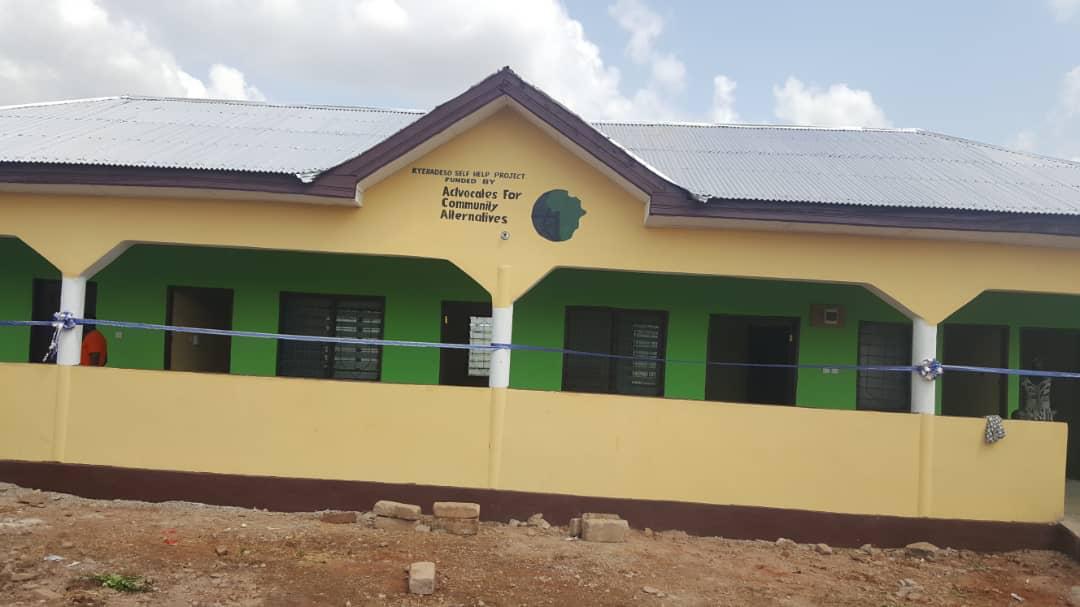
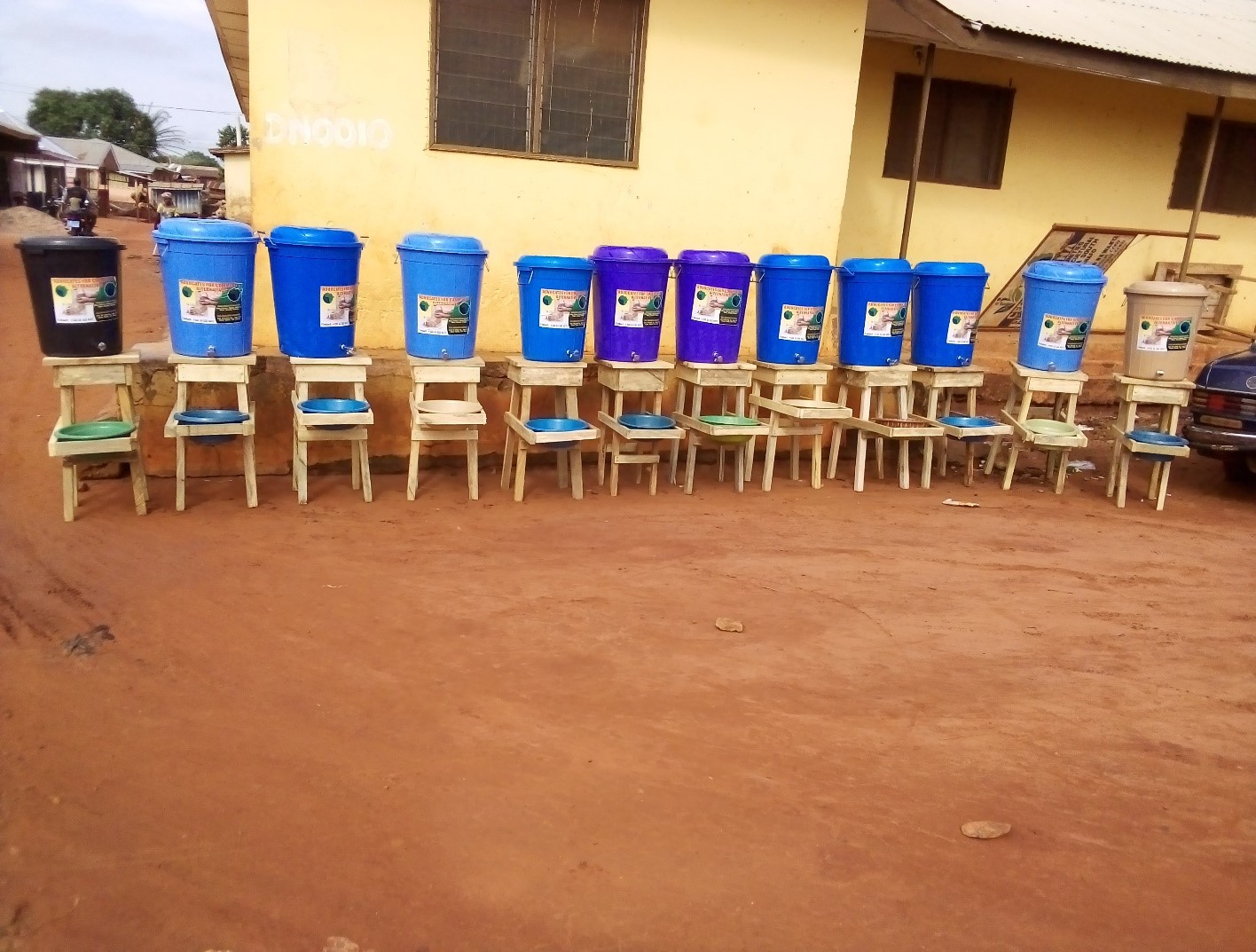
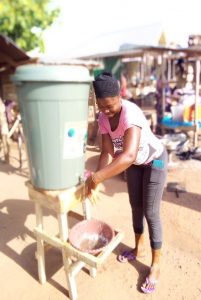
ACA has also set up and is assuring the equipment and maintenance of twenty hand-washing stations in Donkro Nkwanta, Kyeredeso, Nwoase, and Salamkrom as a first-line measure for preventing the spread of the virus. Items donated include Veronica buckets, wooden stands, soap, and hand washing bowls.
Despite limitations on public gatherings during the pandemic, all of ACA’s assistance and interventions are the product of consultation and direction from community leaders, public health experts, and – as much as possible – the population of the communities.
“We are very grateful to ACA for all the support given to us; we have benefited from the Facilitated Collective Action Process (FCAP) as well as legal services and now preventive equipment for COVID-19,” says Nana Kwabena Otoo, the Caretaker Chief of Nwoase Village.
ON FEBRUARY 6, 2020, THE ECOWAS COURT OF JUSTICE HELD HEARINGS IN CASES AGAINST GUINEA AND NIGER STATES FOR SERIOUS VIOLATIONS OF HUMAN RIGHTS. The legal actions are the first that the PILIWA Network has supported before the ECOWAS Court. Two NGOs – les Mêmes Droits pour Tous (MDT) from Guinea and the Réseau DH-Gouvernance from Niger – filed the human rights cases on behalf of communities affected by their governments’ choice to favor corporate interests over the rights of their citizens.
The Zoghota massacre
In the Guinea case, the inhabitants of Zoghota community are suing the state over the severe reprisals suffered for having expressed their deep dissatisfaction with the operations of the Vale-BSG, a multinational consortium that was developing an iron mine in the southeast of the country.
To silence the inhabitants of Zoghota and punish them for venting their frustration and claiming their rights, state security forces, composed of gendarmes, police and military, attacked the village at night, killing 6 people, torturing several others, arresting residents and burning their property. MDT filed a complaint in Guinean courts against security forces commanders just days after the attack and added claims against Vale-BSG in September 2018 against for its complicity in the atrocities. However, the case has never been investigated to date.
Forced evictions at Gountou Yena
In the Niger case, the State is accused of illegally expropriating and expelling several families from their ancestral land, a fertile valley in the capital city of Niamey called Gountou Yena where they had lived as farmers for generations.
The families of Gountou Yena had customary land titles on the land they exploited that were duly certified and issued by the Nigerien administration. Yet without warning, the state decided to evict these families from their ancestral land without just and prior compensation, in violation of all the laws protecting the right to property in Niger. This land was then turned over to Summerset Continental, a Nigerian luxury hotel developer.
The evictees turned to Niger’s court system for help, but the Nigerien government turned administrative procedures on their heads to deny the families their rights. In rapid succession, the state canceled the plaintiffs’ property rights, declared that they had never existed in the first place, and granted a new concession to the hotel company as if it had always been state land. When the plaintiffs obtained an order from the court requiring Summerset Continental to stop work on the site until the litigation was complete, the company instead brought police and military to the site, violently evicted the families, and destroyed their fields and homes.
Affected persons have their day in court
These hearings constitute a very important step for the PILIWA network because they are the first of a series of cases PILIWA is sponsoring to highlight the responsibility and complicity of West African States in human rights violations committed by international companies.
Although brief, the presentation of each case at the Court was important for a number of reasons. First, the lawyers – Me Pépé Antoine Lama from Guinea and Me Idrissa Tchernaka from Niger – had a chance to explain to the judges that these cases are part of a pattern in which governments prioritize the interests of powerful economic actors instead of protecting the human rights of their citizens. And second, PILIWA was able to support representatives of the victims to travel to Abuja and be present to witness the vindication of their human rights by ECOWAS after their abandonment by their own states.
Kpakilé Gnadawolo Kolié, a survivor of the Zoghota massacre who traveled to Abuja for the hearing, explained:
We no longer believed in it, we had lost hope in Guinean justice. For more than 8 years, we have been asking for justice for our relatives who were killed and tortured during this barbaric attack, but nothing, only silence. Today it’s like I’m reborn. To be here in Abuja, attending this trial, it gives me hope and comfort that justice will be done for our families. When I get home, I will tell the whole community to stay confident.
Seydou Mamane Hamidou, a representative of the Gountou Yena, lamented:
Losing the ancestral land where our parents and grandparents toiled, where we continued to work, that we developed, that nourished us and constituted our main source of income – losing it in such an unjust way broke our hearts and left us in a state of economic deprivation. On behalf of families of Gountou Yena, I thank PILIWA for their invaluable help. And I remain convinced that justice will be done.
The court will render its verdict in the Zoghota case on April 21, 2020 and in the Gountou Yena case on May 8, 2020.




 Tailings from the processing of manganese ore are dumped in the water that the locals consume, causing diarrhea and other stomach ailments. One of the plaintiffs, Kouakou Kouman Kouamé, is the father of a six-year-old child who died from stomach distress cause by consumption of contaminated river water. “My son Richard complained of terrible stomach plains, and I took him to the health center at Sapli, about 4 kilometers from Similimi by a foot trail,” said Mr. Kouamé. “He died at the health center, and the doctor who treated him explained that the stomach ailment was a result of drinking the dirty river water. My whole family drinks from the river because we have no other source of water in Similimi.”
 In partnership with the Nkoranza South Municipal Health Directorate, we have supported the training fifty (50) community health volunteers on the origin and symptoms of COVID-19, and the measures that communities can take to stop the spread of the virus. These volunteers, who include several members of the Citizens Committee Network (CICONet) that ACA organized to form an interface between communities and local authorities, will educate the communities through the village public address system, help the Municipal Health Directorate identify people who enter the communities and target them for screening, and help with contact tracing if community members are found to be infected with the COVID-19 virus.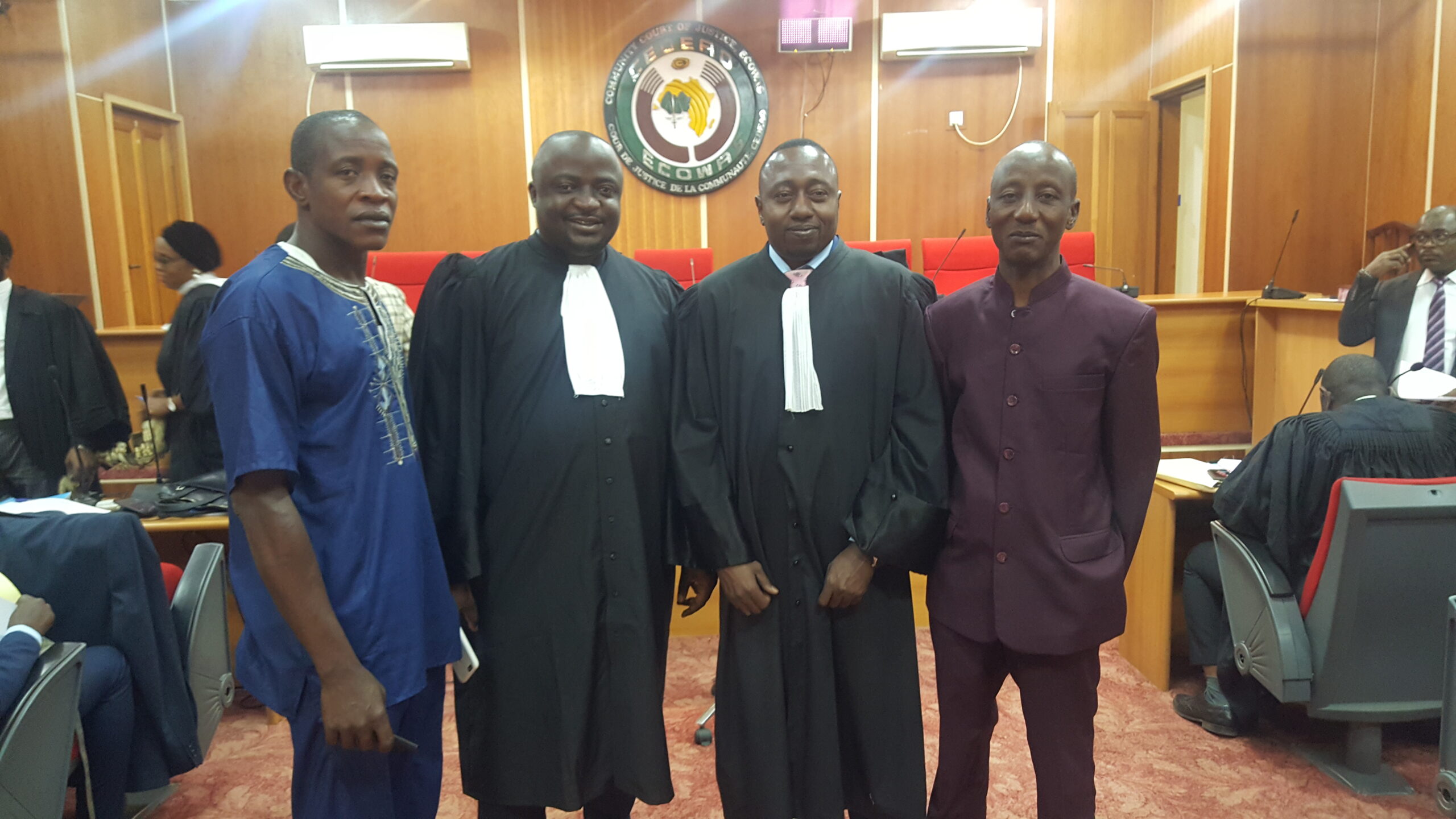
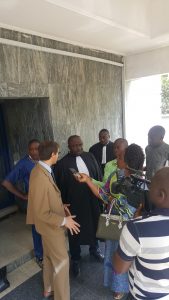 travel to Abuja and be present to witness the vindication of their human rights by ECOWAS after their abandonment by their own states.