Category: Science

  • 143 farmers trained on soil fertility restoration across Osino And Nkoranza

    143 farmers trained on soil fertility restoration across Osino And Nkoranza

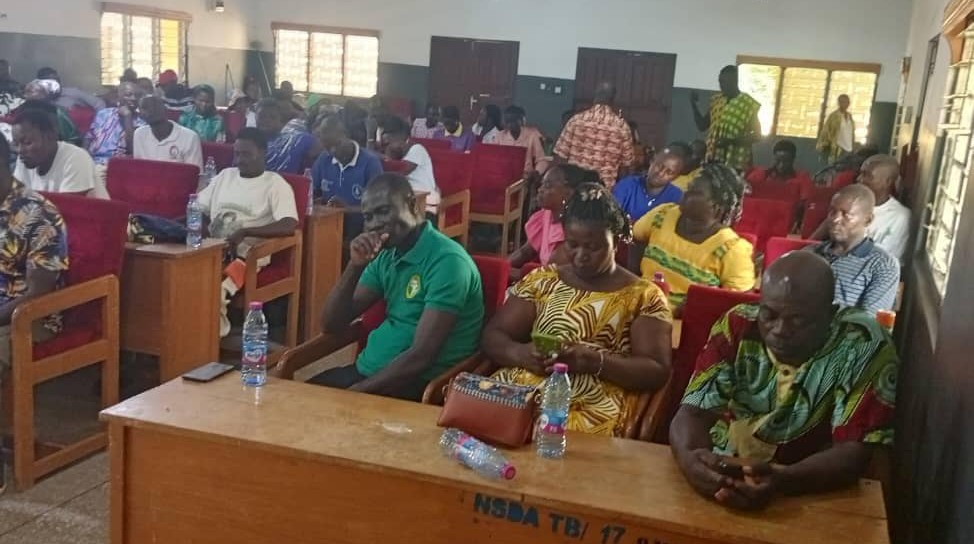
    Healthy soils are the foundation of productive agriculture, food security, and sustainable livelihoods. Recognizing the growing concerns among farmers about declining soil fertility and its impact on crop production, ACA recently organized a series of Community Trainings on Soil Fertility Restoration for members of its Citizens Committee Network (CicoNet) in Osino and Nkoranza.

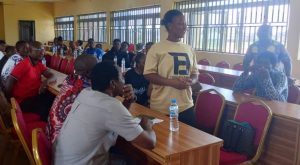
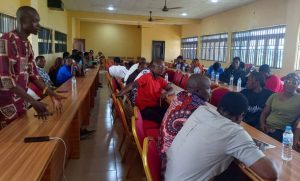
    Held on 28 and 29 May 2026, the trainings brought together a total of 143 farmers – 75 participants in Osino and 68 participants in Nkoranza – to learn practical approaches to improving soil health and restoring soil fertility.

    The trainings were organized in response to requests from farmers who wanted to better understand how to address soil degradation and improve agricultural productivity using affordable and sustainable methods. Through interactive presentations, facilitated discussions, and knowledge assessments, participants explored key topics including soil health, signs of soil degradation, composting, mulching, crop rotation, and good farming practices.
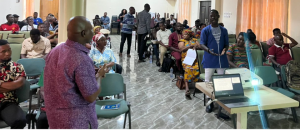
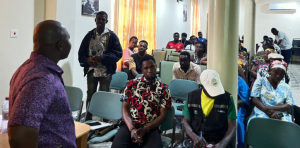
    Farmers actively participated throughout the sessions, sharing experiences from their own farms and discussing challenges related to declining soil fertility. Many participants highlighted the increasing need for practical solutions that can improve yields while protecting the environment and maintaining the long-term productivity of their land.

    Assessments

    Pre- and post-training assessments conducted during both trainings indicated improvements in participants’ understanding of soil fertility restoration practices. The assessments demonstrated that farmers gained valuable knowledge on sustainable soil management techniques that can be applied within their farming systems.

    To support continued learning beyond the training sessions, participants in Osino received a Soil Fertility Restoration Handbook developed by ACA. The handbook serves as a practical guide for farmers seeking to apply the lessons learned on their farms and share knowledge with their families and communities.

    Enthusiasm

    One of the strongest outcomes from the trainings was the enthusiasm shown by farmers to adopt practices such as composting, mulching, and crop rotation. These techniques were particularly well received because they rely largely on locally available materials and can be implemented at relatively low cost.
    Building on this momentum, ACA plans to support participating farmers through practical follow-up activities. Farmers will be organized into smaller learning groups to facilitate hands-on demonstrations, peer learning, and practical application of soil fertility restoration techniques. These activities will help ensure that the knowledge gained during the trainings translates into tangible improvements in soil health and agricultural productivity.

    By strengthening farmers’ knowledge and capacity to manage their soils sustainably, ACA continues to support resilient farming systems, improved food production, and stronger rural livelihoods.

    As farmers in Osino and Nkoranza move from learning to action, they are taking important steps toward healthier soils, better harvests, and more sustainable agricultural futures.

    Français

    143 agriculteurs formés à la restauration de la fertilité des sols à Osino et Nkoranza

    Des sols sains sont le fondement d’une agriculture productive, de la sécurité alimentaire et de moyens de subsistance durables. Consciente des inquiétudes croissantes des agriculteurs face à la baisse de la fertilité des sols et à son impact sur la production agricole, l’ACA a récemment organisé une série de formations communautaires sur la restauration de la fertilité des sols à l’intention des membres de son réseau de comités citoyens (CicoNet) à Osino et Nkoranza.

    Organisées les 28 et 29 mai 2026, ces formations ont rassemblé un total de 143 agriculteurs — 75 participants à Osino et 68 participants à Nkoranza — afin de leur enseigner des méthodes pratiques pour améliorer la santé des sols et restaurer leur fertilité.

    Ces sessions ont été mises en place pour répondre aux demandes des agriculteurs qui souhaitaient mieux comprendre comment lutter contre la dégradation des sols et améliorer la productivité agricole grâce à des méthodes abordables et durables. À travers des présentations interactives, des discussions guidées et des évaluations de connaissances, les participants ont abordé des sujets clés tels que la santé des sols, les signes de dégradation, le compostage, le paillage, la rotation des cultures et les bonnes pratiques agricoles.

    Les agriculteurs ont participé activement tout au long des sessions, partageant les expériences de leurs propres exploitations et échangeant sur les défis liés à la baisse de la fertilité des sols. De nombreux participants ont souligné le besoin croissant de solutions pratiques capables d’améliorer les rendements tout en protégeant l’environnement et en préservant la productivité à long terme de leurs terres.

    Évaluations

    Les évaluations menées avant et après la formation lors des deux sessions ont montré une nette amélioration de la compréhension des participants concernant les pratiques de restauration de la fertilité des sols. Ces évaluations ont démontré que les agriculteurs ont acquis des connaissances précieuses sur les techniques de gestion durable des sols, applicables au sein de leurs propres exploitations.

    Afin d’encourager un apprentissage continu au-delà de ces sessions, les participants d’Osino ont reçu un Guide de restauration de la fertilité des sols développé par l’ACA. Ce manuel sert de guide pratique pour les agriculteurs désireux d’appliquer les leçons apprises sur leurs terres et de partager ces connaissances avec leur famille et leur communauté.

    Enthousiasme

    L’un des résultats les plus marquants de ces formations a été l’enthousiasme manifesté par les agriculteurs à l’idée d’adopter des pratiques telles que le compostage, le paillage et la rotation des cultures. Ces techniques ont été particulièrement bien accueillies car elles reposent principalement sur des matériaux disponibles localement et peuvent être mises en œuvre à un coût relativement bas.

    Sur la lancée de cette dynamique, l’ACA prévoit d’accompagner les agriculteurs participants à travers des activités de suivi pratiques. Les agriculteurs seront regroupés en petits ateliers d’apprentissage afin de faciliter les démonstrations sur le terrain, l’apprentissage entre pairs et l’application concrète des techniques de restauration de la fertilité des sols. Ces activités permettront de s’assurer que les connaissances acquises lors des formations se traduisent par des améliorations tangibles de la santé des sols et de la productivité agricole.

    En renforçant les connaissances et les capacités des agriculteurs à gérer leurs sols de manière durable, l’ACA continue de soutenir des systèmes agricoles résilients, une meilleure production alimentaire et des moyens de subsistance ruraux plus solides.

    Alors que les agriculteurs d’Osino et de Nkoranza passent de la théorie à la pratique, ils franchissent des étapes importantes vers des sols plus sains, de meilleures récoltes et un avenir agricole plus durable.
  • Delta State University Students Learn How Science Can Drive Community Action and Social Change

    Delta State University Students Learn How Science Can Drive Community Action and Social Change

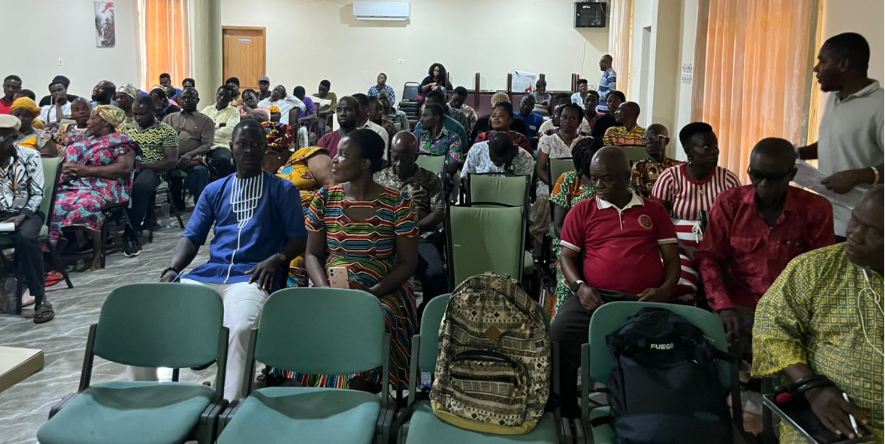
    From identifying local environmental challenges to developing practical solutions for their communities, 48 students at Delta State University, Abraka spent two days exploring how science can become a powerful tool for community action and positive change.

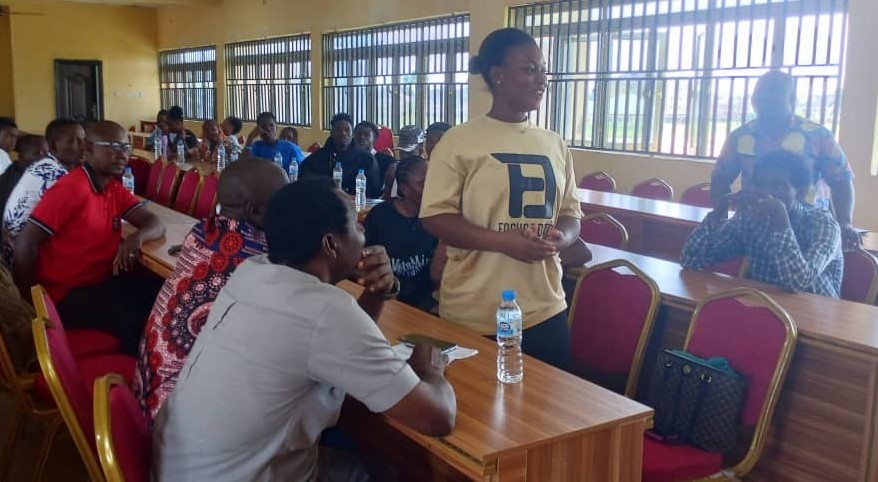
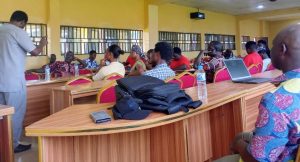
    On 25–26 May 2026, Advocate for Community Alternatives (ACA), in partnership with the Department of Geology, Delta State University, organized a two-day training programme titled “Community Science: Introduction and Foundations – Youth and Emerging Leaders Training Program.” The training brought together undergraduate and postgraduate students from Geology, Environmental Science, Biochemistry, Agricultural Extension, and Pharmacy to explore the growing field of community science.

    Community science places communities at the center of research and problem-solving. Rather than viewing local people as passive recipients of information, community science recognizes them as partners in generating knowledge, identifying solutions, and driving change.

    Throughout the training, participants were introduced to the foundations of community science, scientific inquiry, ethical research practices, data collection and analysis, stakeholder engagement, leadership, and community-based participatory research. The programme emphasized practical application, encouraging participants to connect scientific thinking with challenges they encounter in their own communities.

    Community problem mapping

    One of the most engaging activities involved community problem mapping, where participants identified environmental and social issues affecting their communities. These included waste management challenges, flooding, water quality concerns, environmental degradation, public health issues, and youth-related social challenges.

    Participants then worked through a series of exercises that helped them move from identifying problems to developing research questions, mapping stakeholders, exploring potential solutions, and designing action plans. By the end of the programme, participants had not only identified issues but had also outlined practical steps they could take to address them.

    The training also highlighted the critical role of young people in promoting evidence-based decision-making and community development. Through leadership reflection sessions and group discussions, participants explored how they can contribute to positive change as researchers, advocates, innovators, and community leaders.

    According to the end-of-training evaluation, participants responded overwhelmingly positively to the programme. All participants rated the training as Good, Very Good, or Excellent across all evaluation criteria, with no Fair or Poor ratings recorded. The quality of facilitation received the highest rating, while overall satisfaction and achievement of learning objectives also received exceptionally strong feedback.

    Beyond the technical skills acquired, the programme fostered interdisciplinary collaboration among students from different academic backgrounds. The diversity of perspectives enriched discussions and demonstrated the value of bringing together multiple disciplines to address complex community challenges.

    The training forms part of ACA’s broader commitment to strengthening community participation in research, environmental governance, and evidence-based advocacy. By equipping young people with practical skills and encouraging community-centered approaches to problem-solving, ACA seeks to support a new generation of community scientists capable of driving sustainable and inclusive development.

    As the programme concluded, participants expressed strong interest in advanced training opportunities, mentorship, and future community science initiatives. Their enthusiasm and commitment suggest that this is only the beginning of a growing movement to connect science, communities, and action.

    Through partnerships such as this one with Delta State University, ACA continues to invest in the next generation of leaders who will use knowledge, evidence, and collaboration to address the challenges facing their communities and create lasting positive change.

    “Community science is not just about collecting data—it is about empowering communities to understand their realities, make informed decisions, and take action.

  • Community Science in Action: Turning Training into Impact.

    Through the Community Science Training Programme, participants are transforming how environmental knowledge is produced and used in communities.

    Implemented by Advocates for Community Alternatives, the programme trained students, researchers, and community members in practical skills for environmental monitoring, soil and water sampling, and participatory research.

    An evaluation of 20 participants shows strong impact:

    • 80% are already applying their skills in real-world settings
    • Communities are actively involved in environmental data collection
    • Participants report improved research quality and environmental awareness
    • 100% support continuation of the programme

    What started as a training initiative is now driving real environmental action, stronger community participation, and more inclusive science.

    Read the full story below.

    FROM TRAINING TO TRANSFORMATION

    How Community Science is Strengthening Environmental Action and Local Knowledge

    Across communities and institutions, a quiet transformation is taking place. Through the Community Science Training Programme implemented by Advocates for Community Alternatives, participants are no longer just observers of environmental challenges—they are becoming active contributors to solutions.

    The programme was designed to strengthen the capacity of students, researchers, and community members to work together in generating reliable environmental data and improving local decision-making.

    But beyond technical skills, it has sparked a deeper shift: how science is understood, practiced, and shared.

    Building Practical Skills for Real-World Impact

    A total of 20 participants were engaged in the training and evaluation process, representing students, researchers, facilitators, and community science practitioners.

    Participants were trained in:

    • Soil and water sampling techniques
    • Environmental monitoring tools and field methods
    • Participatory research approaches
    • Community engagement strategies
    • Data collection and interpretation in real environments

    The training emphasized hands-on learning in real field conditions, ensuring that knowledge was immediately applicable.

    From Training to Action

    One of the strongest outcomes is the rapid application of skills.

    The evaluation shows that 80% of participants are actively using what they learned.

    They are now:

    • Conducting environmental field assessments
    • Supporting community-based monitoring
    • Involving local people in data collection
    • Applying community-generated data in academic research

    This demonstrates that community science extends beyond training—it becomes practice.

    Communities at the Centre of Science

    A key shift is the increased involvement of communities in scientific processes.

    Participants reported:

    • Stronger collaboration with community members
    • Inclusion of local and indigenous knowledge
    • Joint interpretation of environmental data
    • Improved communication between researchers and communities

    This has strengthened trust and made science more locally relevant.

    Environmental and Behavioural Change

    The programme has also influenced attitudes and practices.

    Participants observed:

    • Increased awareness of pollution and environmental risks
    • Improved land and water management practices
    • Reduced harmful environmental behaviours
    • Stronger commitment to sustainability

    These changes show that community science is influencing both knowledge and action.

    Strong Support for Continuation

    The response from participants was overwhelmingly positive:

    • 90% would recommend the programme
    • 100% support its continuation

    Participants highlighted the importance of:

    • Practical field-based learning
    • Real-life examples
    • Community engagement
    • Hands-on experience

    Lessons and Future Direction

    Key lessons include:

    • Practical training strengthens learning and retention
    • Community participation improves trust and data quality
    • Local knowledge is essential for meaningful science
    • Follow-up support is needed to sustain impact

    Looking ahead, the programme aims to:

    • Expand to more communities
    • Strengthen mentorship systems
    • Improve access to field tools
    • Deepen community participation in science

    A Shift in How Science is Done

    What began as a training programme is becoming a broader movement toward shared knowledge production.

    Through this work, Advocates for Community Alternatives is helping to reshape science into something more inclusive, participatory, and grounded in community experience.

  • Second mangrove planting strengthens climate resilience in Niafrang, Senegal

    Second mangrove planting strengthens climate resilience in Niafrang, Senegal

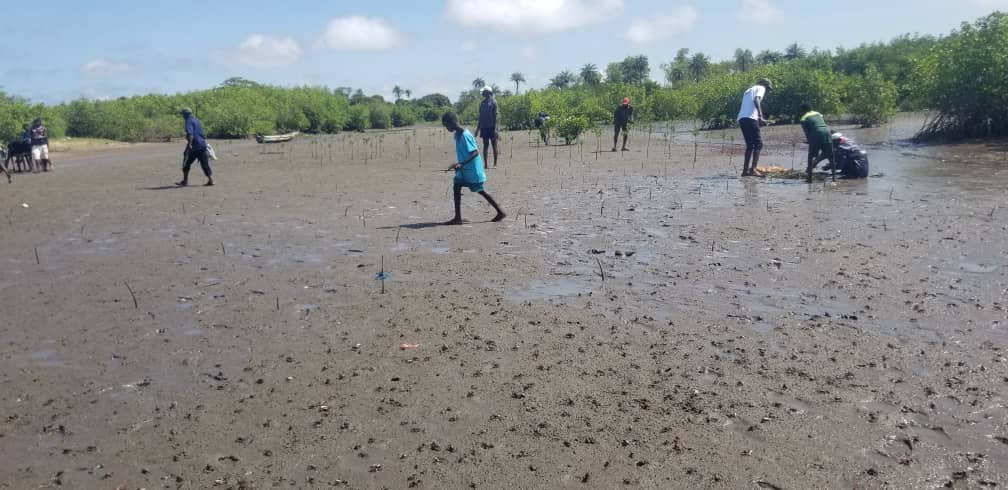
    Advocates for Community Alternatives (ACA) has successfully supported the second community-led mangrove planting in Niafrang, Senegal, as part of its ongoing efforts to promote environmental restoration and climate resilience across West Africa.

    This year’s exercise brought together residents, traditional leaders, and youth groups from Niafrang and neighboring communities such as Kabadio and Abéné, who joined hands to plant hundreds of mangrove seedlings along the Niafrang shoreline.

    The activity forms part of ACA’s broader initiative to restore degraded coastal ecosystems, enhance fisheries, and strengthen natural protection against coastal erosion and flooding caused by climate change.

    “Community-led restoration lies at the heart of ACA’s mission,” said Dr. Kwabina Ibrahim, ACA’s Science Lead. “By engaging youth from neighboring communities, we are helping to build a stronger, united front for environmental stewardship across the Casamance coastline.”

    This second mangrove planting builds on the success of previous efforts and reaffirms the community’s commitment to sustainable environmental management. The project reflects ACA’s ongoing collaboration with local partners to advance community-driven conservation and sustainable development in the region.

    Together, we grow a greener and more resilient Niafrang, Senegal.

  • ACA Partners Kaeme Cosmetics and Bohten Eyewear to Mark World Sight Day in Akyem Juaso

    ACA Partners Kaeme Cosmetics and Bohten Eyewear to Mark World Sight Day in Akyem Juaso

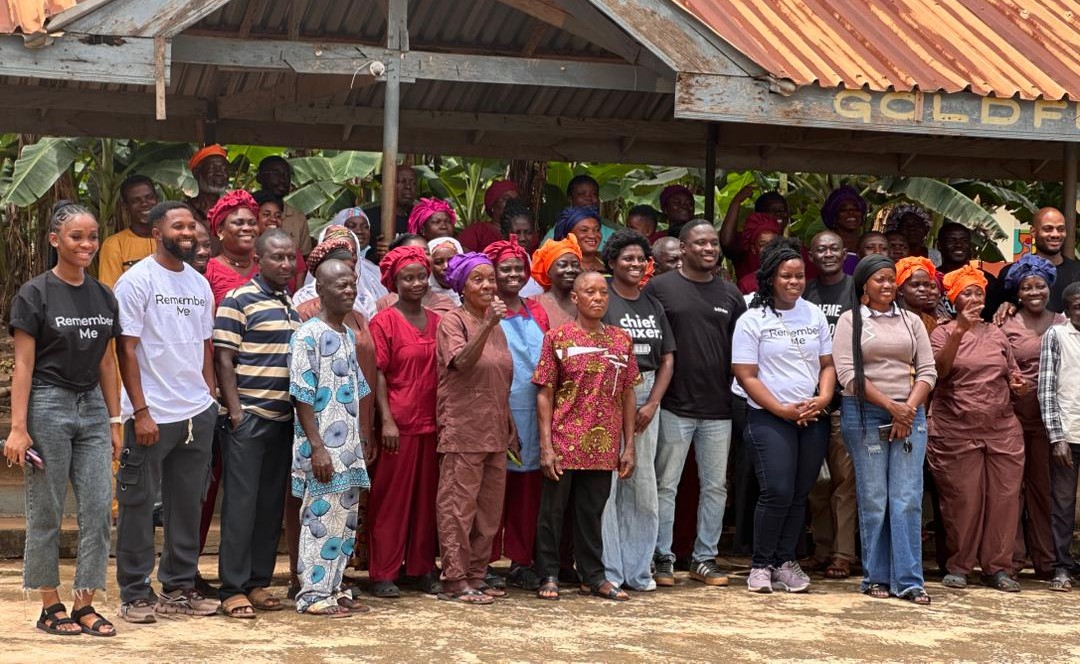
    As part of this year’s World Sight Day celebrations, Advocates for Community Alternatives (ACA), in partnership with Kaeme Cosmetics and Bohten Eyewear, organized a comprehensive skincare and eye health outreach program on Wednesday, October 8, 2025.

    The event, held at Juaso in the Fanteakwa South District of Ghana’s Eastern Region, brought together residents of ACA’s black soap-making communities—Juaso and Bosuso—as well as other members of the wider community for a day dedicated to wellness, education, and preventive healthcare.

    The outreach combined free eye screening services, skincare education, and health talks aimed at improving the overall well-being of local artisans, many of whom are women engaged in the traditional production of black soap—a culturally significant and economically vital product in Ghana and across the globe.

    Empowering Soap Makers Through Health

    ACA, a non-governmental organization that empowers West African communities to take control of their development, recognized that sustaining traditional livelihoods like black soap production must go together with ensuring artisans’ health and wellness.

    “Black soap production requires precision, attention to detail, and the handling of natural materials—often over open fires or in sunlit conditions. Good eyesight is essential,” said Nana Ama Nketia-Quaidoo, ACA’s Director of Community-Driven Development (CDD), during the event.

    “We want our community members to thrive not only economically but physically. This initiative is about supporting the full health and productivity of the people who sustain this cultural craft.”

    Hundreds of community members participated in the free eye screenings, conducted by licensed optometrists. Attendees were examined for common eye conditions such as glaucoma, cataracts, and vision impairments, with some receiving referrals for further treatment or corrective lenses.

    Bohten Eyewear, a company known for its eco-conscious and stylish frames, also donated eyewear and provided information about eye care and protection.

    A Holistic Approach to Wellness

    Kaeme Cosmetics, a premium Ghanaian company specialising in personal care products such as shea soufflé, liquid black soap, soy candles and African-print toiletry bags, offered skin care education and product samples to attendees. Their team emphasized the importance of skin protection for artisans regularly exposed to heat, smoke, and harsh environmental conditions during soap production.

    “We believe that beauty and health are interconnected,” said a representative from Kaeme. “Many of the ingredients used in traditional soap making—like shea butter and palm kernel oil—have amazing properties. It’s important for the producers to understand how to protect and nourish their own skin while crafting products that nourish others.”

    The event was interactive and engaging, featuring live demonstrations, Q&A sessions with health professionals, and educational talks on both eye and skin health. Community members also shared personal stories about how vision and skin issues have affected their work, underscoring the importance of regular health screenings and access to information.

    Looking Ahead

    As World Sight Day draws attention globally to the importance of eye health, ACA’s localized celebration in Juaso highlights how targeted, community-driven initiatives can make a tangible impact. The collaboration between ACA, Kaeme Cosmetics, and Bohten Eyewear shows a powerful model of public-private partnership focused on sustainable development and human-centered care.

  • ACA builds climate resilience capacity in Nkoranza South

    ACA builds climate resilience capacity in Nkoranza South

    As part of its ongoing efforts to strengthen community adaptation to climate change, Advocates for Community Alternatives (ACA) continues to empower local networks to lead sustainable development initiatives across its partner communities.

    In the Nkoranza South Municipality of the Bono East Region, the Citizens Committee Network (CiCoNet), an advocacy arm of ACA, has reaffirmed its commitment to tackling the impacts of climate change through a capacity-building workshop on climate resilience and sustainable livelihoods.

    The workshop, organized by ACA for CiCoNet, brought together 90 participants from 20 communities within the municipality. Its goal was to deepen community understanding of climate change, promote the adoption of climate-resilient technologies, and explore alternative livelihood strategies to help households thrive amid growing environmental challenges.

    Facilitated by Dr. Kwabina Ibrahim, ACA’s Science Lead, the sessions offered participants practical insights into climate adaptation measures, sustainable agricultural practices, and community-led strategies for mitigating climate risks.

    Dr. Ibrahim underscored the importance of integrating climate awareness into daily activities, emphasizing that: “communities must become climate-oriented to ensure that their livelihoods remain sustainable and thriving despite changing weather conditions.”

    During discussions, Mr. Daniel Akake, a CiCoNet representative from Kyekyewere, called for access to localized rainfall data to better prepare for drought conditions, highlighting the vital role of climate information in community-based planning and resilience building.

    Mrs. So Abapa Boateng, ACA’s Community Trainer in Nkoranza South, reiterated ACA’s commitment to supporting communities through knowledge sharing and innovation and encouraged CiCoNet members to share the knowledge gained with their respective communities and to document best practices for possible replication elsewhere.

    She emphasized that CiCoNet must continue to serve as the active voice of communities at the municipal level, ensuring that community-driven development benefits everyone.

  • From classroom to community: Delta State University scientists and students take science into the field

    From classroom to community: Delta State University scientists and students take science into the field

    What happens when students leave their lecture halls and step into farms, boreholes, and villages? At Delta State University in Abraka, Nigeria, they found out. A community science training workshop, led by Dr. Ibrahim, the main resource person, moved science beyond theory—teaching lecturers, researchers, and students how to practice science with communities, not just for them. The aim was to build a pipeline of local expertise that listens first, tests carefully, and turns results into action.

    Supported by Advocates for Community Alternatives (ACA), the sessions blended short lectures with hands-on practicums. Dr. Ibrahim guided participants through the fundamentals of community science, using manuals specially prepared for the training. These manuals covered practical steps—from sampling protocols to interpreting results—and became take-home references for participants, ensuring the learning wouldn’t end with the workshop.

    Student teams worked alongside faculty to design simple, rigorous protocols: how to plan a sampling route, label and store samples, document field conditions, and present results in plain language. For many, it was the first time method met real-world urgency.

    Paul Adjekota, an ACA Science Fellow, mentored mixed groups of students and staff, emphasizing how data should drive decisions. “It’s not just the number,” he reminded them. “It’s what the number makes you do next.”

    Professor Oghenero Ohwoghere-Asuma deepened the water-quality module, showing students how to evaluate borehole placement and interpret coliform results without jargon. In field drills, students practiced pumping and purging, sterile collection, and chain-of-custody steps—then presented what those results would mean to a village committee.

    Dr. (Mrs.) Abushe led the organic manure exercise, turning a patch of ground into a living lab. Students laid out small plots, applied manure at different rates, and logged changes in soil structure and crop vigor. Back in the lab, they compared soil pH, organic matter, and nutrient readings, linking them directly to what they had seen in the field.

    Students’ voices shaped the week. A final-year student admitted: “I used to think statistics ended at the spreadsheet. Now I see how a clear chart can change how a farmer spends money.” A master’s candidate added: “Designing a protocol with the community made me tighten my methods—and my explanations.”

    By the end, the cohort co-authored mini briefs pairing data with action points: move boreholes away from septic systems; lime acidic soils using affordable local materials; combine organic manure with targeted fertilizer only where tests show a gap. Lecturers committed to embedding these modules in their teaching, and students proposed capstones that would return to partner communities to track outcomes in the next farming season.

    The impact is already visible. Equipped with manuals and new skills, small mixed teams of students and staff are ready to support water testing in Igbogidi, soil clinics in DSC and Orhuwhorun, and follow-up trials on organic amendments.

    Delta State University’s lesson is clear: when scientists and students learn to listen, test, and explain, knowledge flows in both ways. Community gains practical tools; the university gains relevance; and a new generation leaves campus ready to turn evidence into healthier water, stronger soils, and better harvests.

  • Can Organic Manure Feed Us? Lessons from a Pilot in DSC

    Can Organic Manure Feed Us? Lessons from a Pilot in DSC

    Across Nigeria, farmers face a hard choice. Chemical fertilizers boost yields quickly, but they are expensive and damage the soil over time. Organic manure is cheaper, safer, and eco-friendly—but many farmers doubt whether it can produce enough food. At the Delta Steel Company (DSC) estate, located at Ovwian-Aladja in the Western Niger Delta, a group of farmers set out to find answers for themselves.

    With support from Advocates for Community Alternatives (ACA), they designed a simple experiment. Crops were grown with different amounts of organic manure—5, 10, and 15 tons per hectare—and compared with crops grown using chemical fertilizers alone. For the farmers, it was a chance not just to be taught, but to see and measure the difference with their own eyes.

    The results were clear. Crops treated with well-prepared organic manure produced stronger yields than those grown with chemicals alone. The soil also showed signs of recovery: better structure, improved fertility, and more resilience against erosion. For farmers used to watching their land grow weaker year after year, the change was encouraging.

    Still, the experiment revealed an important lesson—balance matters. Too much manure could cause odor or waterlogging, while too little would not make a difference. The key was to know the right type, the right amount, and the right timing. As one participant put it: “Before, I thought only the fertilizer in the white bag could make crops grow. Now I see that what comes from our animals can feed the soil too.”

    For the DSC farmers, this small pilot was more than a test of manure. It was a glimpse of a future where farming is affordable, sustainable, and healthier for the land. By embracing organic methods, they can reduce dependence on costly chemicals, protect their environment, and still feed their families.

    The lesson is simple but powerful: what we once saw as waste can become a resource. And when farmers themselves lead the way, the solutions are not only practical—they are lasting.

  • Farming under pressure: How Orhuwhorun farmers discovered the secrets of their soil

    In Orhuwhorun, urbanization is closing in fast. Farmland is shrinking, but families still need to eat. To survive, farmers plant the same plots repeatedly, pouring on fertilizer in the hope of rescuing their crops. The result has been rising costs, declining yields, and growing frustration.

    In December 2024, twelve farmers came together to try something different in the town, located in the north-eastern part of the Udu Local Government Area of Delta State in Nigeria. With the support of Advocates for Community Alternatives (ACA), they turned to community science—a way to put scientific tools in the hands of ordinary people. For many, it was the first time they heard that soil itself could be tested, and that its hidden properties could reveal why crops were struggling.

    The training was simple but powerful. Farmers learned how to collect soil samples properly, drying and sieving them before sending them to the lab. They asked questions, shared doubts, and slowly began to see the soil not as a mystery, but as something that could be understood.

    When the results arrived, the findings spoke volumes. Nitrogen levels were acceptable, but phosphorus and potassium—the nutrients plants need most—were often low. Some soils were highly acidic, while others had very high conductivity, meaning valuable nutrients could easily wash away. Suddenly, the yellowing cassava leaves, and stunted maize crops made sense.

    The farmers also discovered that solutions were within reach. They could neutralize acidity by using locally available materials such as burnt palm bunch stems or dolomitic lime. They could restore fertility with organic manure and protect the soil by planting cover crops like melon or ground nuts. One farmer said: “I used to think fertilizer is fertilizer. Now I know the soil tells me which one to use and how much.” Another added: “I finally understand why my cassava kept failing—it wasn’t bad luck; it was the soil.”

    What began as a small workshop became a turning point. The farmers left with confidence, knowing that science was not beyond their reach. They understood that farming smarter—not harder—was the way forward, even on shrinking land.

    The lesson from Orhuwhorun is clear: when communities are empowered with knowledge, they can protect their soil, reduce waste, and secure food for their families. Science, once distant and abstract, has become a tool in their hands—a tool they can use to farm with hope instead of despair.

  • Reviving the Soil: Farmers in DSC take science into their own hands

    Reviving the Soil: Farmers in DSC take science into their own hands

    On the farmlands of the Delta Steel Company (DSC) estate, harvests were shrinking year after year. Farmers tried everything they knew—chemical fertilizers, poultry droppings, even crop rotation—but the land seemed exhausted. Fertilizer costs rose while yields fell, and frustration grew.

    In late 2024, a group of farmers decided to confront the problem differently. With support from Advocates for Community Alternatives (ACA), they were introduced to community science—an approach that puts scientific tools directly in the hands of local people. They learned that soil could be tested just like water, and that understanding its “health” could explain why crops were failing.

    The training was practical. Farmers were shown how to clear a patch, dig to 30 cm, collect soil from corners and the base, mix it, dry it in the shade, sieve it, and package it for testing. For many, it was the first time they realized the soil itself could speak—if only someone asked it the right questions.

    When the results came back, the findings made sense of their struggles. The soil was acidic, organic matter was very low, and nutrients like phosphorus and potassium were severely deficient. No wonder crops were yellowing, stunted, or yielding poorly—fertilizers were being applied blindly, sometimes making the situation worse.

    But the story didn’t end with problems. Together, the farmers explored solutions: liming with affordable local materials such as wood ash, periwinkle shells, or ground eggshells; adding fermented cow dung to boost organic matter; and applying fertilizers only when and where the soil demanded it. One farmer reflected: “Before, I thought if harvest was poor, I should just add more fertilizer. Now I know the soil must be tested first.”

    The experience transformed how the community thought about farming. They learned that soil testing not only improves yields but also saves money, prevents waste, and protects health. Instead of relying on guesswork, they now have the knowledge to farm smarter and restore the land.

    The message from DSC is powerful: even “tired” soil can be revived when farmers are empowered with science. And when communities can diagnose their land for themselves, they no longer wait helplessly; they act, protect their livelihoods, and secure their future.