Category: Ghana

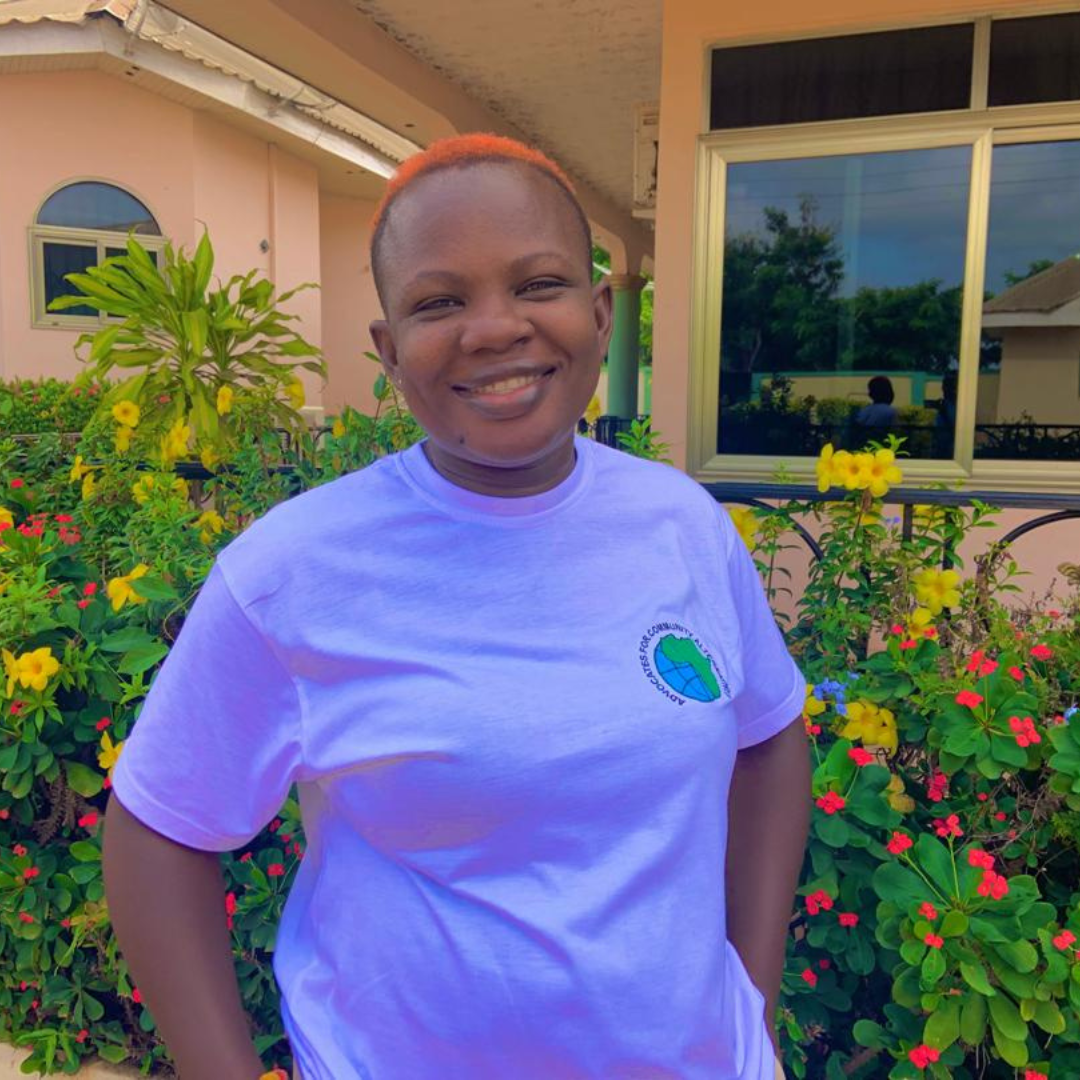
  • So Abapa Boateng: My community development practice experiences with ACA

    So Abapa Boateng: My community development practice experiences with ACA

    Today, one of our newly recruited Trainers with the Community-Driven Development Department, So Abapa Boateng, shares her experiences since she joined ACA in February 2024. She says the experiences she gathered in her previous workplace are being sharpened and appreciated in multiple folds in ACA.

    The email read “You are hired”, my joy was out of this world. I screamed, I jumped, I danced to no song; the excitement was indescribable. “Wow”, I was lost for words. “Finally, Finally,” those were my words when I could speak.

    My time with Advocates for Community Alternatives has been very fulfilling and I dare say, it has been worthwhile joining this exciting team of development practitioners.

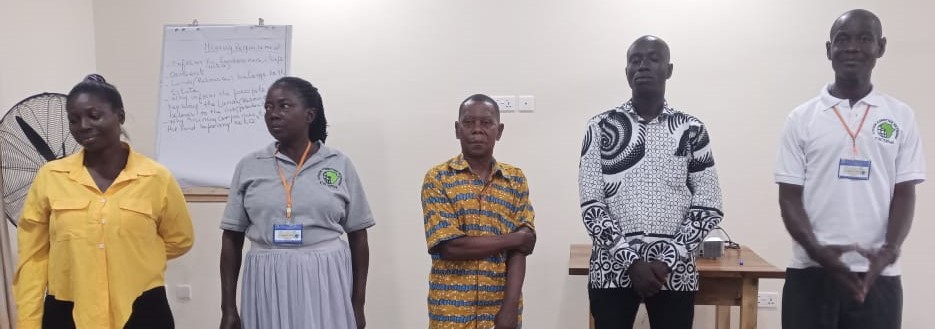
    “Welcome to our new team members, Geoffrey Fummey Horkpe, Bommie Adamu, Joseph Obeng, Ingrid Frempong and So Abapa Boateng” a beautifully written note placed on the wall in the Osino office welcomed the new staff members. It was heartwarming because I was not quite certain on what to expect on my first day in the office, but the team made it so welcoming, it was as though we knew each other for a very long time before we got to the office.

    The Director of Community-Driven Development, Nana Ama Nketsia-Quaidoo (Mrs), was so welcoming as she clearly outlined what was expected of us as new staff members.

    Osei Nimako, the Project Manager was so excited and did not spare us a minute of laughter and jokes. Francis Manu and George Mpoah were so knowledgeable in their fields, and it made it super easy to understand what ACA does within the various partner communities.

    And oh, the time with the Executive Director, Jonathan Kaufman – I loved the chocolates he got for us. We could make our choices; he was ever ready to answer all the questions on our newly recruited minds.

    It has been smooth sail for the months I have worked with ACA. I am even more enthused that the organization gives room for innovation and creativity because working with the communities is not cast in stone.

    The decision to move out from the Northern region of Ghana where I had practiced community development work since 2008 to Nkoranza in the Bono East region has been very fulfilling. My experiences gathered in Education, Food Security and Livelihood, Entrepreneurship, and Gender, are being sharpened and appreciated in multiple folds in the organization.

    The journey with Advocates for Community Alternatives has just begun and I am looking forward to working with communities to attain their development vision one community at a time.

    I believe that I can be creative in facilitating communities to attain their development vision and I’m always encouraged by the fun and excitement that go with my community-based work.  This spurs me on to do more and always put on my creativity cap. My level of confidence is soaring up higher because the team is always on hand to sharpen the rough the edges, so we get the desired results in the development journey. There are well tailored training tools and manuals to make facilitating trainings, monitoring and evaluating results very detailed and easy.

    Even more fulfilling most of the time is the positive feedback from the community meeting I facilitate. “Madam, not only have we learned how to develop a vision for our community, but I have also learned to use that knowledge for myself. I know I must have a vision I am working towards for my life and family, thank you.” A community member expressed his appreciation after a community meeting.

    I have no doubt that I am going to make a positive impact on ACA and the communities assigned to me while broadening my horizon further by learning from my colleagues and most of the people I encounter through the performance of my duties.
  • Sowing Seeds of Sustainability: CiCoNet Leads tree planting exercise in Nkoranza

    Sowing Seeds of Sustainability: CiCoNet Leads tree planting exercise in Nkoranza

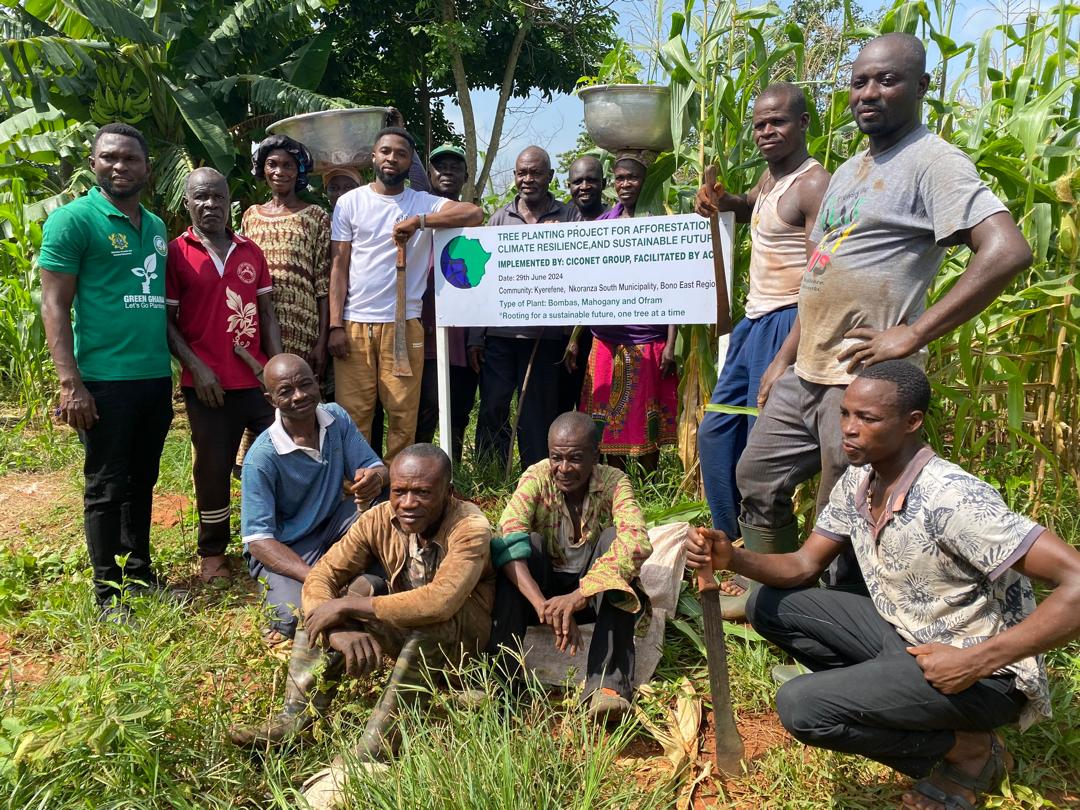
    The Citizens Committee Network (CiCoNet), a community-based organization dedicated to promoting sustainable development, has embarked on a tree planting exercise at Kyerefene, near Donkro Nkwanta, in the Bono East region of Ghana.

    The event, held on Saturday, June 29, 2024, was part of ACA’s citizen science program, which aims at engaging communities in environmental conservation efforts.

    The exercise saw the planting of over 500 tree seedlings, including bombax, mahogany, and ofram species, known for their ecological and economic benefits.

    CiCoNet members, ACA representatives, and a staff of the Forestry Commission, Prince Adu Adjei, joined forces to make the event a success.

    “I am highly elated to be part of this journey and actively get involved in planting trees to safeguard and foster biodiversity in ecosystems in my community,” said Comfort Takyiwaa, a CiCoNet member from Kyeradeso.

    Prince Adu Adjei, the Forest Range Manager, praised the effort, highlighting the significance of tree planting in controlling climate change and its associated consequences.

    ACA’s Project Manager, Mr. Godfred Osei Nimako, and his team ensured the exercise’s success. The Forest Range Manager advised ACA to monitor the planted seedlings to ensure their survival, emphasizing the need for sustainability and preservation of the environment.

    Monitoring

    Given the area’s susceptibility to bush fires during the dry season, the team will conduct regular monitoring visits to assess the seedlings’ growth and health, provide ongoing maintenance, including pruning and watering as needed, engage local community members in the monitoring and maintenance process, establish a system for tracking and reporting on the seedlings’ progress and create a fire belt, a strip of land cleared of flammable materials, around the planted areas to prevent the spread of bush fires.

    The support of Mr. Cudjoe Awudi, Mr. Dickson, and Mr. Raymond Agbontor, all staff of the Forestry Commission, was invaluable to the success of the exercise. Their expertise and guidance ensured that the tree planting exercise was done efficiently and effectively.

    The exercise demonstrated the power of community spirit and environmental stewardship.

    CiCoNet and ACA’s collaboration, with the support of the Forestry Commission, sets an example for others to follow, promoting a greener future for generations to come.

  • Empowering Osino CiCoNet members: The dangers of agro-chemicals and sustainable farming practices

    Empowering Osino CiCoNet members: The dangers of agro-chemicals and sustainable farming practices

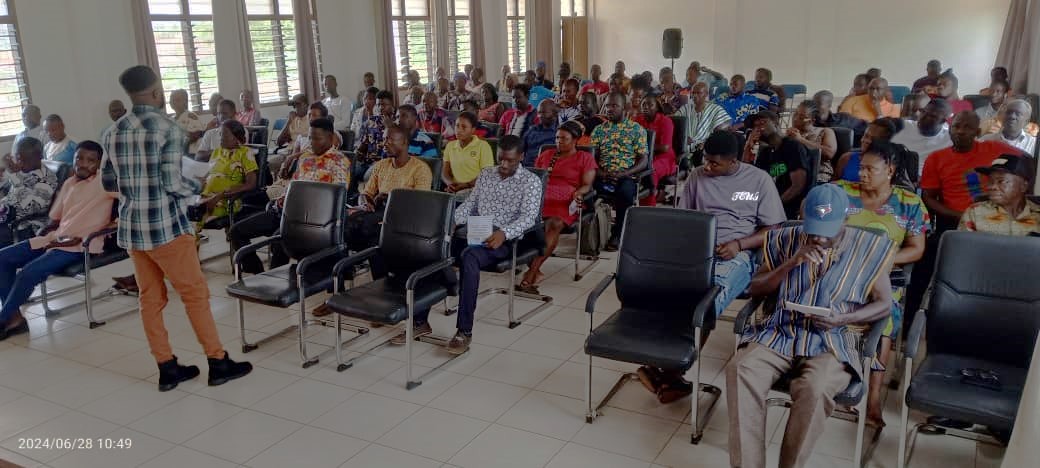
    In a bid to address the rampant misuse of agro-chemicals by farmers in Ghana, about 80 members of the Osino Citizens Committee Network (CiCoNet) gathered at Asiakwa in the Abuakwa South Municipality for an enlightening workshop.

    The meeting, facilitated by Advocates for Community Alternatives (ACA), aimed at educating participants on the proper use of agro-chemicals and sustainable farming practices.

    The continuous application of agro-chemicals by farmers has become a norm, with many unaware of the devastating effects on human health and the environment. Some farmers fail to read instructions on the chemicals, endangering their lives and those of others.

    ACA’s Science Advisor, Dr. Kwabina Ibrahim, delved into the negative effects of agro-chemicals, including respiratory and skin problems, reproductive and nervous system damage, cancer risks, and cognitive impairment. Through a PowerPoint presentation, he demonstrated the dire consequences of improper use and emphasized the need for personal protective gear.

    He introduced participants to Integrated Pest Management (IPM) and organic farming methods, offering a holistic approach to farming without relying on agro-chemicals. These alternatives promote better yields and a healthier environment.

    The workshop received an overwhelmingly positive response, with participants expressing gratitude for the knowledge gained. “I’ve learned a lot today, and I realize we need to be mindful of how we apply agro-chemicals. We’ll share this knowledge with our families and community members,” remarked Mr. George Asante, the out-going Osino CiCoNet Chairman.

    The workshop empowered the Osino CiCoNet members to adopt sustainable farming practices, ensuring a healthier future for themselves, their communities, and the environment.

  • CiCoNet welcomes new members

    CiCoNet welcomes new members

    From a humble beginning of memberships in seven communities in the then Brong Ahafo Region and the Eastern region in 2018, the Citizens Committee Network (CiCoNet) can now boast of branches in 62 communities in Ghana.

    CiCoNet currently has 14 branches in Nkoranza South Municipality, ten in Atiwa West District, 17 in Abuakwa South Municipality and 21 in the Fanteakwa South District – all contributing to an estimated membership of 340.

    At the inauguration of new CiCoNet members drawn from Abuakwa South, Atiwa West and Fanteakwa South districts at a ceremony held at Osino, ACA’s Senior Trainer, Francis Fernaldinho Manu, explained that members of the Committee serve as watchdogs in their communities and resist any act that poses as a threat to their lives and livelihoods.

    He also said CiCoNet members actively participate in, supervise and monitor the effective execution of development projects in their community and always ensure accountability and transparency in their line of work.

    “You’re to play a lead role in educating your community members on their fundamental human rights, act as intermediary between community and local government and also serve as the official mouthpiece of community”, he further said.

    Mr. Manu assured CiCoNet of ACA’s continuing support towards the effective running of CiCoNet, adding that copies of constitution and guidelines will soon be made available to them for thorough study and application.

    Touching on some successes chalked by CiCoNet since its inception in 2018, the Senior Trainer mentioned a recent media campaign by members which resulted in the refilling of some abandoned mining pits in Juaso, Sagyemase and Nsuapemso and compensation payment to some landowners in the Fanteakwa South district as well as the reversal of the sale of some 400 acres of land by the queen mother of Donkro Nkwanta for cashew plantation without following due process.

    Another Senior Trainer of ACA, Mr George Mpoah, also encouraged the CiCoNet members to keep themselves abreast of the country’s legal frameworks on lands, minerals and mining.

    He further asked them to demonstrate a high sense of commitment to their work and attach maximum seriousness to meetings, keeping in mind that all that CiCoNet does is geared toward development of their communities.

    A similar ceremony was held in Nkoranza to welcome 30 new CiCoNet members from ten communities in the Nkoranza South Municipality of the Bono East Region.

  • New CiCoNet executives sworn into office

    New CiCoNet executives sworn into office

    The newly elected executives of the Osino Citizens Committee Network (CiCoNet) have taken over from the out-gone executives at a ceremony at Asiakwa near Kyebi.

    The new executives, who will steer the affairs of the Committee till 2026, took over from their predecessors who recently ended their term of office. They were elected a few weeks ago during one of the committee’s meetings.

    Chaired by Stephen Gyekye Appiah, the other executives include Antwi Boasiako, Vice-chairman; David Aboah, Secretary; Grace Adu, Treasurer and Samuel Gyeketey, Organizer.

    They took over from George Owusu Asante, Bartholemew Boakye, David Aboah, Grace Adu, Matilda Asantewaa and Ebenezer Tetteh.

    The out-gone Chairman, George Owusu Asante, congratulated his successor and his team, and urged them to serve with humility and selflessness.

    “I worked with you during my tenure as the Chairman and I have no doubt in my mind that you can deliver. Continue to dedicate your time, energy and other resources to the course of CiCoNet and trust me, you will never regret doing so”, he added.

    Stephen Gyekye Appiah, on behalf of the new executives, pledged to continue the good works of the outgone executives and called for the total support of all CiCoNet members.

    Certificates of recognition were presented to all the outgone executives as a sign of appreciation for their hard work and dedication to duty.

  • Atiwa West Assembly renders accounts to residents through Town Hall Meeting

    Atiwa West Assembly renders accounts to residents through Town Hall Meeting

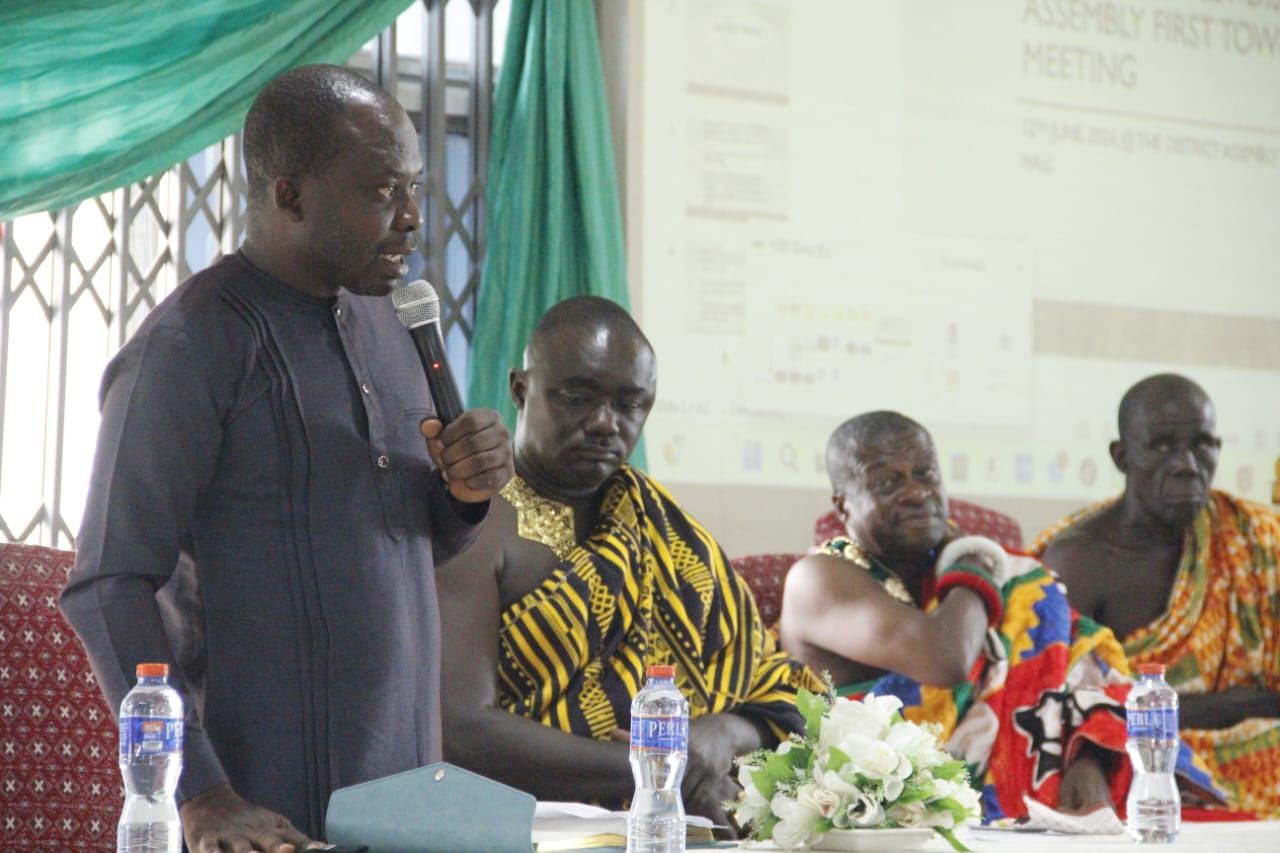
    The Atiwa West District Assembly in the Eastern region of Ghana has held its maiden annual Town Hall Meeting at Kwabeng as part of measures to deepen local governance, transparency and accountability.

    The Town Hall meeting was funded by Advocates for Community Alternatives (ACA), a non-profit-making organization, that has a long-standing partnership with the District Assembly.

    The District Planning Officer and the Budget Officer took turns to explain the projects executed by the Assembly in 2023 vis-à-vis the revenues generated or accrued during the period.

    The projects executed by the Assembly during the period under review were mainly in the areas of education, health, agriculture, economic empowerment and infrastructural development.

    Mr. Paddy Amponsah Douglas, the DCE for the area, noted that through the meeting, citizens would have the chance to demand accountability from the local government authority.

    “Pursuant to the Local Government Act, ACT 936 (2016), the Metropolitan, Municipal and District Assemblies are mandated to organize Town Hall meetings at least twice a year to afford the local people the opportunity to engage the District Assembly officials on the Assembly’s Public Financial Management and service delivery outcomes”, he stated.

    Stakeholders’ engagement

    The Director for Community-Driven Development (CDD) programs of ACA, Nana Ama Nketia-Quaidoo (Mrs), stated that her organization places much premium to stakeholders’ engagements such as the Town Hall meeting.

    “This is because such engagements promote accountability, builds trust, saves cost and ensures a well-informed decision-making process.”

    She therefore reminded the Assembly that it owed it as responsibility to make conscious effort to improve on existing structures that would allow the participation of the citizenry in every stage of development.

    She disclosed that a recent Chiefs Council meeting organized by ACA at Asiakwa for chiefs in Fanteakwa South, Abuakwa South and Atiwa West districts revealed serious communication and participatory gaps between the assemblies and the chiefs and called for pragmatic measures to rectify this anomaly.

    Some of the issues raised by the citizens focused mainly on health and sanitation, revenue mobilization, effectiveness of the National Health Insurance Scheme, drug peddling in the area and improvement in educational standards, among others.

  • Nkoranza South: FCAP Leadership Committees back community development pathways

    Nkoranza South: FCAP Leadership Committees back community development pathways

    Story by So Abapa Boateng, Nkoranza

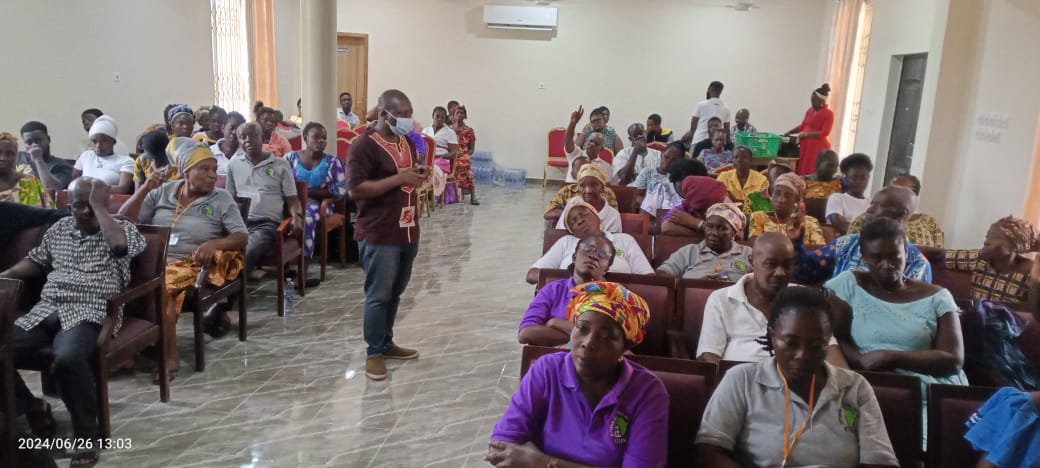
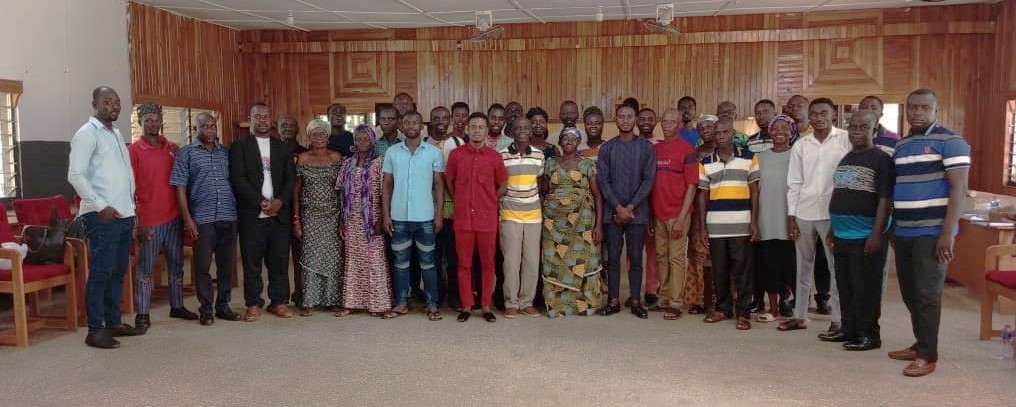
    Members of Leadership Committees in ten communities in the Nkoranza South Municipality, in the Bono East Region of Ghana, have pledged their commitment to lead their communities to create community development proposals to achieve a communal development vision.

    The Leadership Committee members held a meeting last week in Nkoranza to deepen their knowledge of the Facilitated Collective Action Process (FCAP), also known in Ghana as Oman Yie Die.  FCAP is a methodology that helps communities articulate a development vision, gain skills to implement that vision, and pursue projects consistent with that vision in a transparent and inclusive manner.  They vowed to leave no stone unturned to solidify their commitment by hard work and perseverance in the execution of the task ahead.

    Advocates for Community Alternatives (ACA), a non-profit-making organization that helps West African communities that are threatened by the destructive impacts of extractive projects to take control of their futures, is partnering with the Nkoranza South Municipal Assembly to roll out Oman Yie Die in ten communities in the Municipality: Asuano, Akuma, Abuontem, Akumsa Domase, Bredi No. 1, Bonsu, Barnufour, Brahoho, Kyekyewere and Nkwabeng.

    The FCAP Leadership Committee members and a selection of officers from the Nkoranza South Municipal Assembly Planning, Social Welfare and Community Development, and Works and Engineering Departments met to discuss strategic ways that they could support the Oman Yie Die development processes in their various communities. They also reviewed steps for the proposal development subphase of the FCAP and the various roles the Leadership Committee can play to make this sub-phase successful.

    The Leadership Committee members will use the information shared during this meeting to guide their chiefs, elders, and community members on the proposal development sub-phase and support community-based facilitators to implement FCAP activities.

    As part of the meeting, the participants were taken through different leadership styles and how that can impact the Oman Yie Die in terms of participation and the mobilization of the needed resources for the chosen community development pathways.  They also discussed procurement processes, implementation action plans and budgeting, maintenance plans, transparency and accountability, cost tracking and how to request micro-grants.

    Smooth implementation

    For the smooth implementation of Oman Yie Die in Ghana, each partner community has elected a team of a five-member or seven-member leadership committee to spearhead the FCAP implementation process.

    Each of the ten communities was represented at the meeting by the chairperson, secretary and treasurer of the FCAP Leadership Committee.

    These proposal development sub-phase meetings will last for two months, after which the communities will be able to begin implementation of their community development projects.

  • Nkoranza South CBFs undertake field work on FCAP

    Nkoranza South CBFs undertake field work on FCAP

    Story by So Abapa Boateng, Nkoranza

    It was yet another grueling and enduring moment for Community-Based Facilitators (CBFs) from ten partner communities in the Nkoranza South Municipality of the Bono East Region of Ghana. These CBFs, together with selected members of staff of the Nkoranza South Municipal Assembly, gathered once again in Nkoranza to deepen their understanding of the Facilitated Collective Action Process (FCAP), which aims at strengthening local participation in the implementation of the assembly’s medium term development plan.

    One of the key highlights of the meeting was field practicing proposal development, which primarily provides an opportunity for the CBFs and the local government staff to interact with community members on the practicalities involved in community meetings in relation to the smooth implementation of FCAP.

    The field practicing proposal development phase provides an opportunity for a community to delve deeper into the choice of its development pathway and how it will aid in the fulfilment of the community’s development vision in line with the local assembly’s medium-term plan.

    The CBFs literally put into practice the activities learnt during the proposal development process. As part of the field practice, a topic from the proposal development sub-phase is selected for a facilitator to plan and come up with a meeting guide to facilitate it at a community meeting.

    As part of the field practicing proposal development, the CBFs visit selected project sites identified by the communities for their development pathways. This provides yet another opportunity for community leaders to delve deeper into the choice of the pathway and how it will aid in the fulfilment of their community development vision.

    The core objective is to equip the CBFs and the assembly staff with practical experience during the proposal development sub-phase. The CBFs plan their meetings by outlining the topics to be discussed, the facilitation techniques to be used and go further to figure out possible challenges that might come their way and how they will be addressed.

    The Director for Community-Driven Development (CDD) programs of ACA, Nana Ama Nketia-Quaidoo (Mrs), noted in an interview, that such an activity offers ACA the opportunity to assess the level of understanding of the CBFs on the various topics treated during the training sessions and how they will put the knowledge acquired into practice.

    “The assessment is done on their level of preparedness before the meeting, their understanding of the topic, the techniques used during the facilitation and how well they engaged the communities during the community meeting. It enables the trainers to identify areas that need improvement during the facilitation and promptly work with the facilitator to identify ways of improving upon it before the actual proposal development meeting in the communities start.”

    “It also builds the confidence of the CBFs in facilitating the various steps of the proposal development sub-phase and enables the assembly staff supervise them appropriately and further details the role of the technical advisor during the proposal development sub phase, which is guiding the communities to strategically tailor their implementation action plan and budget to their desired projects or development pathways.

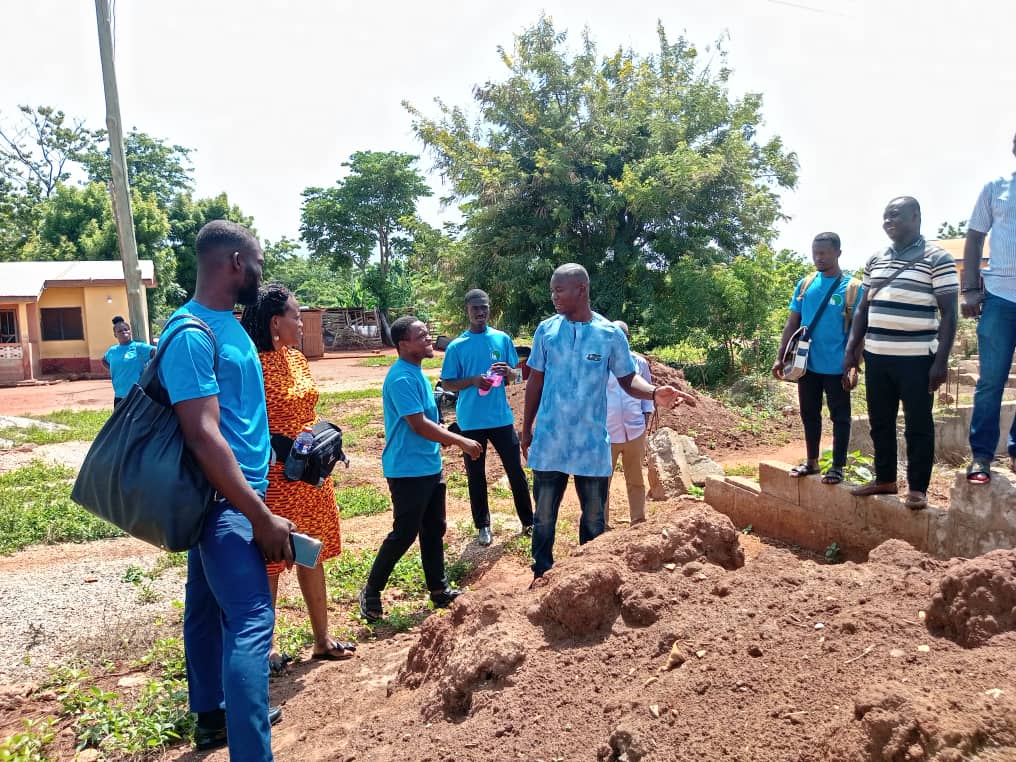
    Bonsu and Nkwabeng hosted the team for the field practice, which was generally very successful. The team visited the Nkwabeng community development site where a proposed Out-Patients Department (OPD) is to be built under FCAP.

    At Bonsu, the visit took the team to the Bonsu water site to get firsthand knowledge on their proposition for an extension of water to their households.

    The ten communities which participated in the training programme were Akuma, Akumsa Domase, Abuontem, Asuano, Barnufour, Brahoho, Bredi No. 1, Bonsu, Nkwabeng and Kyekyewere.

    Advocates for Community Alternatives (ACA), a non-profit-making organisation, which helps West African communities that are threatened by the destructive impacts of extractive projects to take control of their futures, is partnering with the Nkoranza South Municipal Assembly to roll out FCAP, which is also called “Oman yie die” in Ghana, in these ten communities in the area.

    Community meetings are expected to be facilitated for two months by the CBF under the supervision of an ACA trainer and the Nkoranza South Municipal assembly staff.

    (Note: The writer is a CDD Trainer based in Nkoranza in the Bono East region of Ghana)

  • CiCoNet calls for allocation of 20% of Minerals Dev’t Fund proceeds to mining communities

    CiCoNet calls for allocation of 20% of Minerals Dev’t Fund proceeds to mining communities

    The Citizens Committee Network (CiCoNet), an interface group of concerned citizens who help protect their communities’ development vision, is calling for the allocation of 20% of proceeds into the Minerals Development Fund to be disbursed to mining communities.

    This proposed allocation, according to CiCoNet, is to be used for sustainable development projects chosen by each mining community under the supervision of the managers of the Fund.

    CiCoNet believes that this will ensure fair and equitable use of proceeds into the Fund under the Minerals Development Fund Act, 2016, Act 912.

    This was one of the advocacy action plans agreed upon at a three-day training session for the nine-member national executives held at Asiakwa near Kyebi in the Eastern region of Ghana.

    Code-named “Legal Learning Workshop”, the training session was organised upon the request of the of CiCoNet to sharpen the group’s advocacy skills on laws about mining, land and general understanding of Ghana’s constitution.

    Advocates for Community Alternatives (ACA), a non-profit-making organisation, which helps West African communities that are threatened by the destructive impacts of extractive projects to take control of their futures, facilitated the training through its Legal Office and the Community-Driven Development Department.

    The CiCoNet national executives noted that after nearly ten years of the setting up of the Minerals Development Fund, very little can be shown for it as most mining communities which are bearing the brunt of the devastating effects of mining operations can barely boast of any development project executed under the Fund.

    The group believes that if the communities are directly involved in the usage of their share of the Fund, it will go a long way to engender communalism and cost-effectiveness in the execution of sustainable development projects in their respective areas.

    Paul Uthan, National Secretary of CiCoNet, in an interview after the training, said the Minerals Development Fund, created by the Minerals Development Fund ACT, 2016 Act 912 to provide financial resources for the direct benefit of mining communities, among others, must be judiciously used to inure to the benefit of the intended beneficiaries.

    “We are therefore going to create a lot of awareness about this Fund and push for the 20% allocation to mining communities”, he further said.

    The National President of CiCoNet, Emmanuel Antwi, disclosed that the group will also be advocating the need for the National Commission for Civic Education (NCCE) to be well-resourced to effectively carry out its functions as mandated by law.

    “This training has been very fruitful. It is in our plans as CiCoNet to educate our community members about their fundamental human rights, so our main aim is to ensure community development. In this regard, we, as CiCoNet executives, need to be well equipped with the legal aspects of what we intend doing so we came for the workshop to keep ourselves abreast of the rights of people living in communities threatened by mining activities”, he explained.

    From here we’re setting the ball rolling by sharing the knowledge gained here with all CiCoNet members and going down to the communities to educate community members on their rights under the country’s legal regime on mining.

    CiCoNet

    The Citizens Committee Network (CiCoNet), an interface group of concerned citizens who help protect their communities’ development vision.  CiCoNet members are trained to speak with government officials and other stakeholders on behalf of their communities, raising concerns in ways that allow local authorities to help resolve key community concerns.

    Through CiCoNet, some communities have won key victories, such as prompting the suspension of a highly polluting mining company’s operating permit and inducing companies to fill over 40 abandoned pits that endangered the welfare of children and livestock in places such as Juaso and Nsuapemso in the Eastern region of Ghana.

  • Nkoranza South CBFs undergo training on microgrant pathway proposal development

    Nkoranza South CBFs undergo training on microgrant pathway proposal development

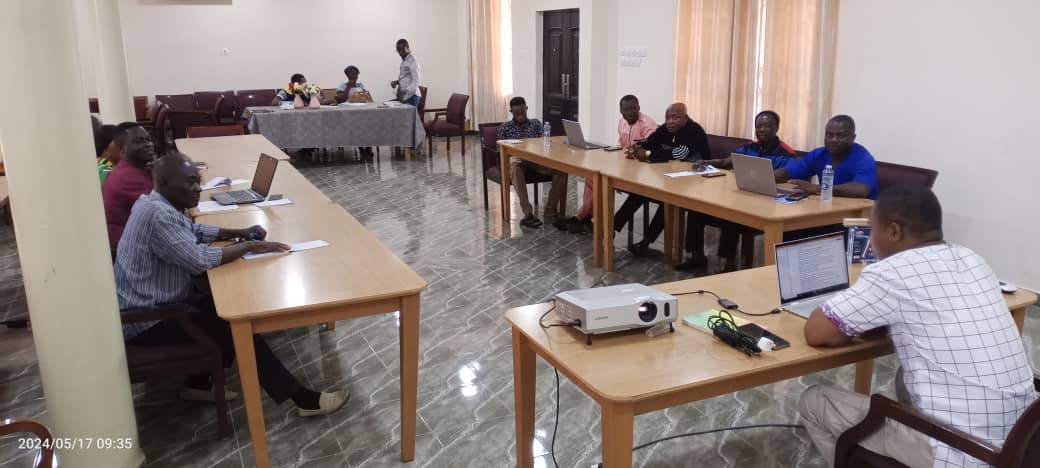
    It is yet another interesting and educating session for our Community-Based Facilitators (CBFs) from ten communities in Nkoranza South as they gather to go through the Microgrant Pathway Proposal Development sub phase, a key component of the Facilitated Collective Action Plan (FCAP).

    Also called “Oman yie die” in Ghana, FCAP aims at strengthening local participation in the implementation of the Assembly’s medium term development plan.

    Advocates for Community Alternatives (ACA), a non-profit-making organization that helps West African communities that are threatened by the destructive impacts of extractive projects to take control of their futures, is collaborating with the Nkoranza South Municipal Assembly to roll out the Oman Yie Die project in Asuano, Akuma, Abuontem, Akumsa Domase, Barnufuor, Brahoho, Bredi No. 1, Bonsu, Nkwabeng and Kyekyewere.

    The CBFs are currently undergoing a week-long training at Nkoranza on Microgrant Pathway Proposal Development sub phase to ensure that they can effectively spearhead the development of a full project proposal plan to implement and sustain their Microgrant pathway.

    As part of the training, the communities will create a risk and mitigation plan for their pathway and elaborate on the by-laws they will need to govern their pathway effectively as well as work with a technical advisor to develop their Microgrant pathway proposals.

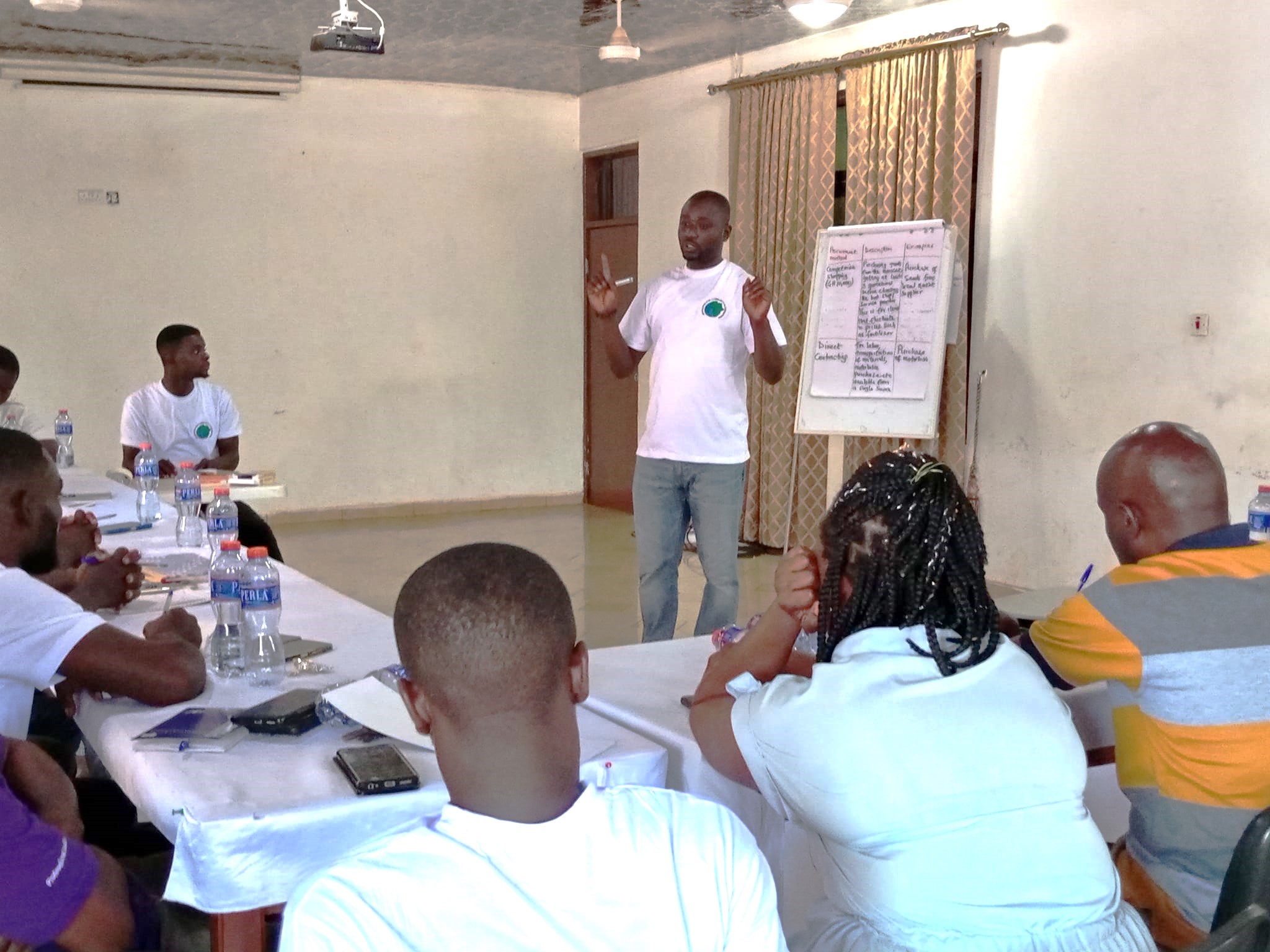
    Topics being treated during the week-long training session are procurement guidelines, developing implementation action plan and budget, developing maintenance plan and budget, sustainability (including risk assessment and mitigation strategies), transparency and accountability, community engagement plan and Microgrant pathway bylaws.

    The training will also cover areas such as measuring success, setting annual targets for the Microgrant pathway, creating data collection plans for the Microgrant pathway, and proposal review.

    The participants will also be taken through the process of disbursing and ensuring transparent management of the microgrant itself.

    ACA’s Community-Driven Development Team led by Nana Ama Nketia-Quaidoo and supported by Godfred Osei Nimako and So Abapa Boateng are the main facilitators of the programme. Also in attendance are four staff of the Nkoranza South Municipal Assembly.

    The ACA team will also engage the Nkoranza South Municipal Chief Executive, Dr. Augustine Amoateng on the smooth implementation of FCAP in the ten selected communities later during the week.