Category: Ghana

  • ACA builds climate resilience capacity in Nkoranza South

    ACA builds climate resilience capacity in Nkoranza South

    As part of its ongoing efforts to strengthen community adaptation to climate change, Advocates for Community Alternatives (ACA) continues to empower local networks to lead sustainable development initiatives across its partner communities.

    In the Nkoranza South Municipality of the Bono East Region, the Citizens Committee Network (CiCoNet), an advocacy arm of ACA, has reaffirmed its commitment to tackling the impacts of climate change through a capacity-building workshop on climate resilience and sustainable livelihoods.

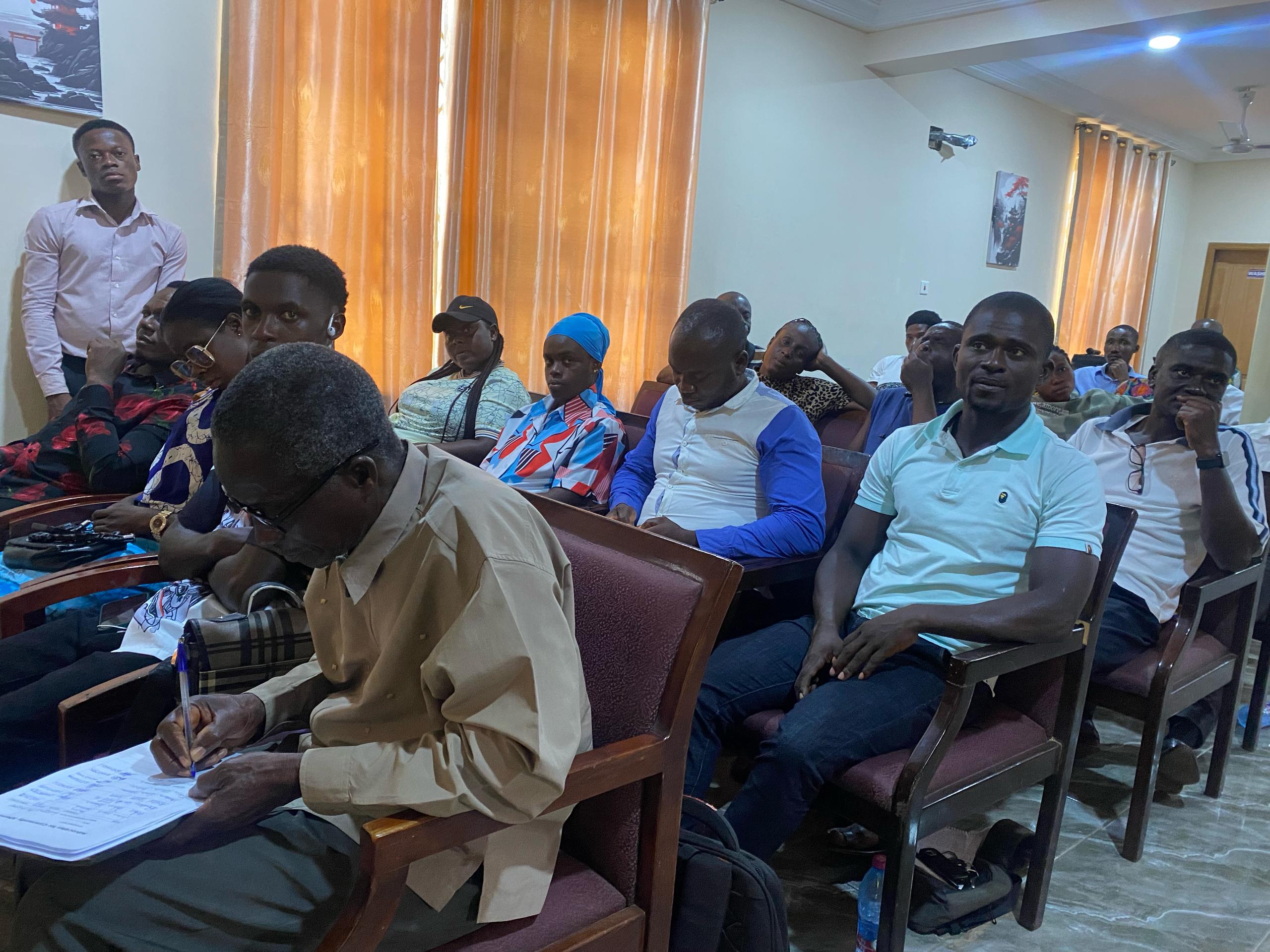
    The workshop, organized by ACA for CiCoNet, brought together 90 participants from 20 communities within the municipality. Its goal was to deepen community understanding of climate change, promote the adoption of climate-resilient technologies, and explore alternative livelihood strategies to help households thrive amid growing environmental challenges.

    Facilitated by Dr. Kwabina Ibrahim, ACA’s Science Lead, the sessions offered participants practical insights into climate adaptation measures, sustainable agricultural practices, and community-led strategies for mitigating climate risks.

    Dr. Ibrahim underscored the importance of integrating climate awareness into daily activities, emphasizing that: “communities must become climate-oriented to ensure that their livelihoods remain sustainable and thriving despite changing weather conditions.”

    During discussions, Mr. Daniel Akake, a CiCoNet representative from Kyekyewere, called for access to localized rainfall data to better prepare for drought conditions, highlighting the vital role of climate information in community-based planning and resilience building.

    Mrs. So Abapa Boateng, ACA’s Community Trainer in Nkoranza South, reiterated ACA’s commitment to supporting communities through knowledge sharing and innovation and encouraged CiCoNet members to share the knowledge gained with their respective communities and to document best practices for possible replication elsewhere.

    She emphasized that CiCoNet must continue to serve as the active voice of communities at the municipal level, ensuring that community-driven development benefits everyone.

  • Ten communities graduate from FCAP after successful project implementation

    Ten communities graduate from FCAP after successful project implementation

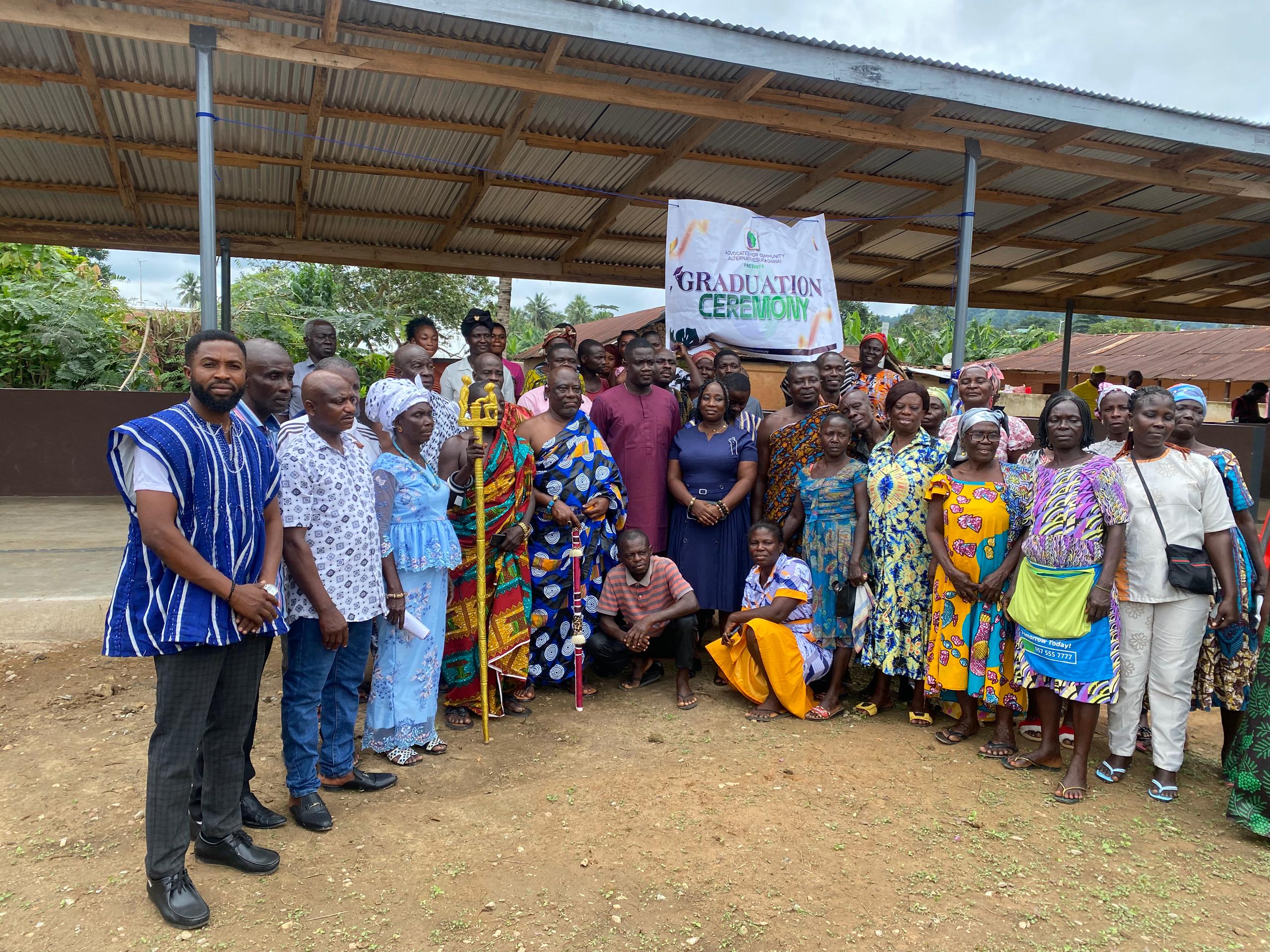
    In a colourful and inspiring graduation ceremony at Amanfrom, ten communities in the Abuakwa South Municipality of Ghana’s Eastern Region have been celebrated for the successful completion of their community-driven development projects under the Facilitated Collective Action Process (FCAP). Also called “Oman yie die”, the initiative, led by the Accra-based NGO Advocates for Community Alternatives (ACA), is empowering rural communities to identify their own development priorities, mobilize resources, and implement solutions for long-term impact.

    Each of the graduating communities has implemented a unique project tailored to its most pressing needs, achieving tangible results aligned with key success indicators. The ceremony served not only as a recognition of their achievements, but also as a testament to the power of grassroots participation in sustainable development.

    Livelihoods and Economic Empowerment

    To combat unemployment and boost local income, the Apapam community has completed a Pig Farm Venture aimed at reducing unemployment by 5% by 2025. The initiative also targets a 20% income increase for pig traders and a 15% growth in their savings.

    Similarly, Obopekonya has built a Palm Oil Processing Centre that is projected to increase employment among local palm oil producers by 20% and boost the income and savings of palm oil traders by another 20% within a year.

    In Obopeko, residents are already benefiting from a newly constructed Corn Mill Processing Centre, which will allow between 20% to 50% more community members to process their corn and gari locally. The project is expected to raise farmers’ incomes by 20% and drastically reduce the distance they previously had to travel—more than 5km—to process their crops.

    Amanfrom has successfully launched a mini-market project designed to tackle rural unemployment. Projections show the project will reduce unemployment by 15% by 2026, increase market traders’ income by 40%, and raise their savings by 20%.

    Water and Sanitation Improvements

    Access to potable water—a long-standing challenge in many rural communities—was tackled head-on by three of the graduating communities. Asiakwa, Addo Nkwanta, and Adadientem have each completed mechanized borehole projects, significantly improving water access and public health. These projects aim to reduce the average distance to safe water from over 5km to under 1km, cut waterborne diseases from 50% to 10% in the first year, and boost access to clean water by 25% within 18 months.

    Infrastructure for Safety and Trade

    Communities like Bomponso and Lartemu tackled mobility and safety challenges with the construction of Foot Bridges. These critical infrastructures are expected to reduce accidents and fatalities by 15%, improve access to nearby communities by 50%, and boost local trade by 20% within the first year.

    Powering Progress

    The Adortoa community celebrated the successful implementation of an Electricity Extension Project. This game-changing initiative is forecast to increase economic activities by 30%, improve academic outcomes among students by 25%, and enhance security in the community by 40% over the next 12 months.

    A Model for Community-Led Development

    Speaking at the graduation ceremony, representatives from ACA commended the communities for their dedication, unity, and vision. “These projects show that when communities are empowered to take charge of their own development, the results are remarkable. FCAP is not just a process; it’s a movement towards sustainable, people-driven transformation,” ACA’s Senior Trainer, Francis Manu noted.

    Traditional leaders, government representatives, and community members all praised the FCAP initiative, with many calling for its expansion across more districts in the Eastern Region and beyond.

    The Abuakwa South Municipal Chief Executive, Nana Adu Sarpong Addo Aikins, who graced the occasion with his presence, inaugurated the Amanfrom market.

    He assured the gathering of his unwavering commitment towards the completion of the remaining projects being implemented in partnership with ACA.

    As these ten communities move forward, their projects are set to serve as models of success and inspiration for other rural areas seeking to shape their own development paths. The graduation marks a milestone—but for these communities, it is only the beginning of a brighter, self-driven future.
  • Roots of hope: CiCoNet communities in Nkoranza and Osino plant for the future

    Roots of hope: CiCoNet communities in Nkoranza and Osino plant for the future

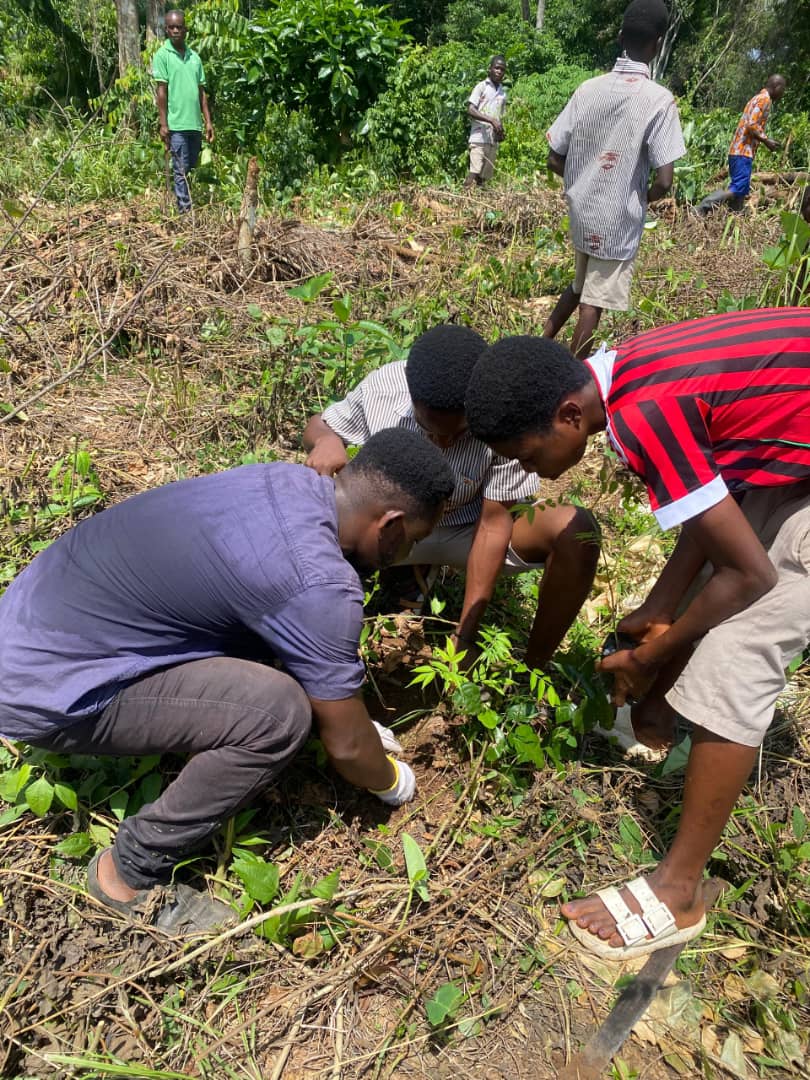
    In Nkoranza and Osino, members of the Citizens’ Committee Network (CiCoNet) came together to do more than plant trees—they planted resilience. Faced with hotter days, declining soil fertility, and shrinking green cover, these communities, supported by Advocates for Community Alternatives (ACA), joined hands to restore their environment one seedling at a time.

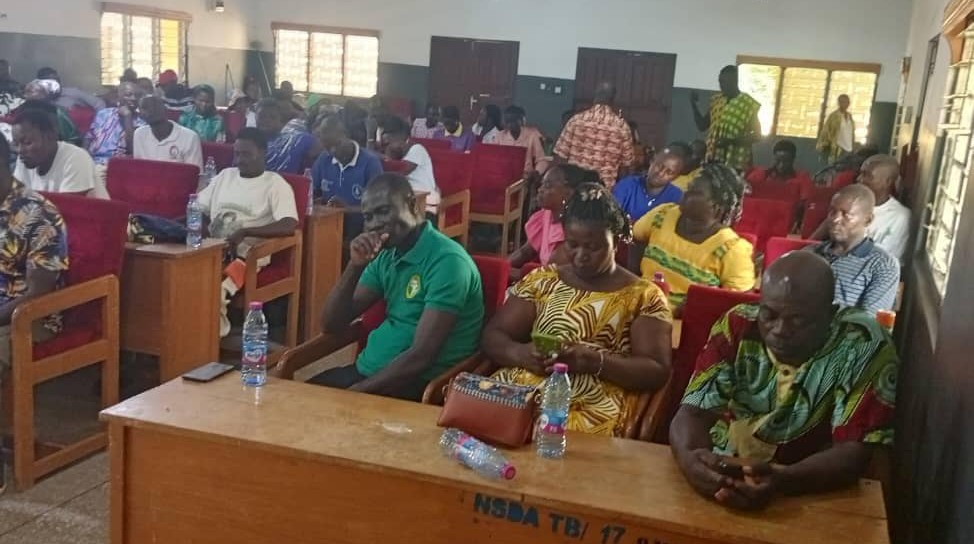
    The exercise blended action with education. CiCoNet members, alongside schoolchildren, farmers, and youth groups, discussed why trees matter: they safeguard water sources, enrich soils, provide shade, and buffer the effects of climate change. The seedlings—chosen carefully for the local environment—included both fast-growing species for soil protection and indigenous trees to restore biodiversity.

    In Nkoranza, the local office of the Forestry Commission supported the exercise by donating and supplying seedlings. Schoolchildren proudly carried these young trees to their planting spots, eager to nurture them into the future. One student declared: “This is my tree. I will water it and watch it grow.”

    In Osino, farmers reflected on the past. An elder recalled: “When I was young, our farms had shade and streams. Today the sun is harsher, and the soil is tired. These trees will bring life back.”

    The training emphasized sustainability as much as planting. CiCoNet members and local committees learned how to care for seedlings, protect them from livestock, and monitor their growth. Follow-up visits were planned to ensure the trees would survive and flourish.

    By the end of the day, hundreds of seedlings had taken root—but something deeper had also been planted: a renewed sense of ownership and hope. For Nkoranza and Osino, tree planting through CiCoNet was not just symbolic. It was a living commitment to climate resilience, stronger communities, and healthier futures for generations to come.

  • 20 community members complete legal training on land and property rights

    20 community members complete legal training on land and property rights

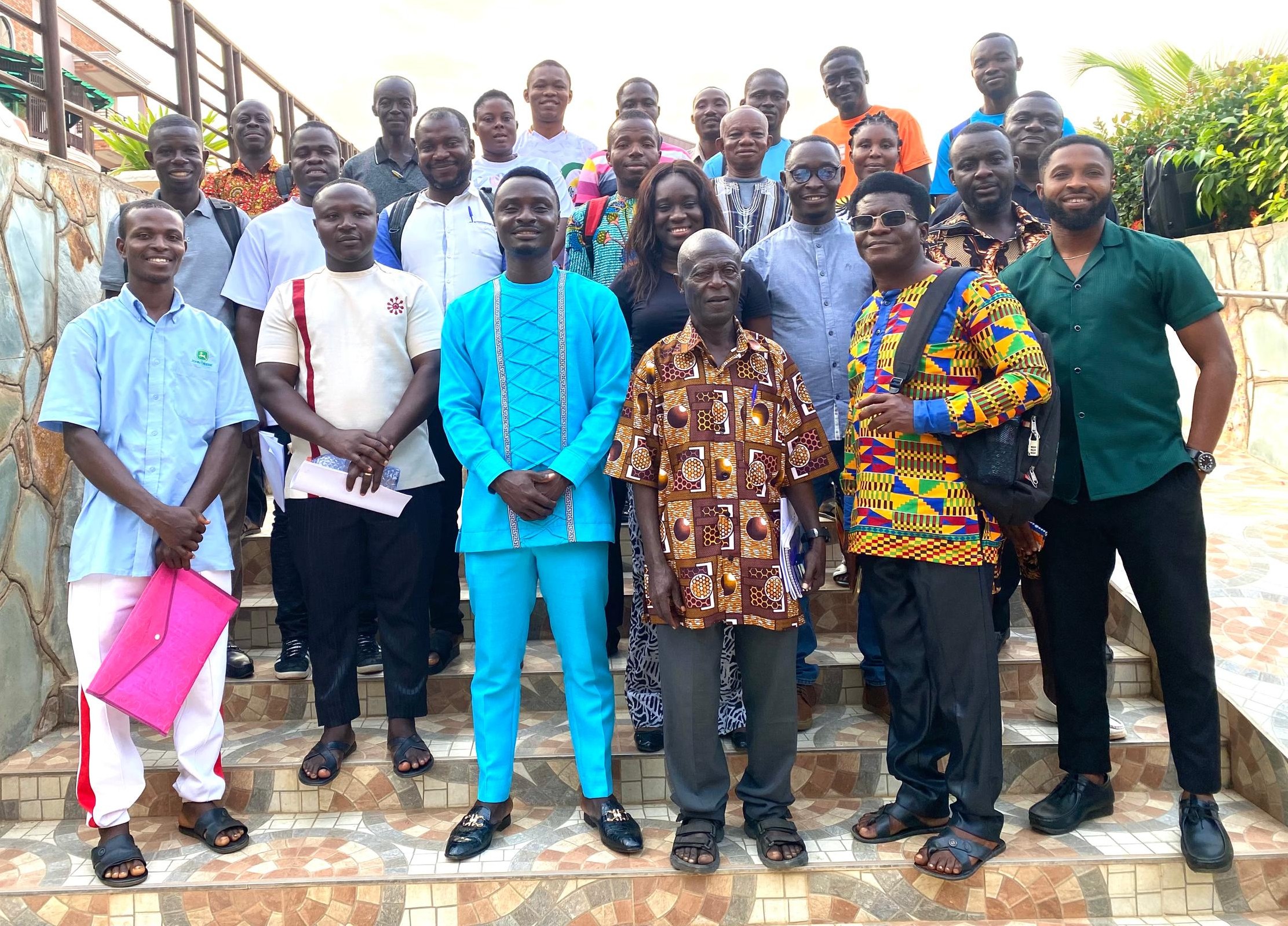
    Twenty representatives from some communities in the Eastern Region, where Advocates for Community Alternatives (ACA) operates, have successfully completed a three-day legal training program focused on land and property rights, as well as Ghana’s mining laws.

    The training, organized and facilitated by ACA, sought to strengthen participants’ understanding of the legal framework governing land acquisition, ownership, and registration, while equipping them with the tools to educate their communities on sustainable and lawful practices.

    This program formed part of ACA’s ongoing capacity-building initiative and served as a follow-up to an initial session conducted in April 2025. The series was informed by a needs assessment undertaken by ACA’s Legal Department, which highlighted significant challenges faced by local communities, including disputes over land acquisition and the adverse impacts of mining activities.

    ACA’s legal team led interactive sessions covering Ghana’s legal and regulatory frameworks on land and mining.

    Key legislation

    Participants were introduced to key legislation such as the Minerals and Mining Act, 2006 (Act 703) and its Amendment Act 900 (2015), the Minerals Development Fund Act, 2016 (Act 912), Minerals and Mining (Compensation and Resettlement) Regulations, 2012 (L.I. 2175) and the Land Act, 2020 (Act 1036).

    The facilitators emphasized that individuals or entities seeking to explore, prospect, or mine minerals must first secure a mineral right through the Minerals Commission, with approval from the sector minister.

    They also highlighted the legal requirement for chiefs, allodial landowners, and District Assemblies to be formally notified of such activities, ensuring transparency and accountability in land use.

    Land ownership

    On land ownership, the Land Act, 2020 (Act 1036) was highlighted as the central law governing acquisition, registration, and ownership. The facilitators underscored the importance of land registration as a safeguard against disputes and a means of securing legal ownership rights. Participants were also briefed on the roles of key institutions such as the Lands Commission, the Office of the Administrator of Stool Lands, and Traditional Authorities in ensuring effective land governance.

    Participants expressed their appreciation for the workshop, noting that the knowledge gained would not only help them protect their rights but also empower them to educate others within their communities.

    Confident

    “Before this training, many of us did not fully understand the laws governing land in Ghana. Now I feel more confident that I can protect my family’s land and help others in my community avoid mistakes. This knowledge is very empowering,” said Asabea Sarah, a representative from the Odumase community in the Eastern Region.

    They also called for similar training programs to be extended to other districts and regions facing similar challenges.

    Through such initiatives, ACA continues to promote community empowerment, legal awareness, and sustainable approaches to land and natural resource governance in Ghana.

    ACA helps West African communities that are threatened by the destructive impacts of extractives-led development to take control of their own futures. ACA works directly with communities to design their own sustainable development plans and advocate to achieve those plans, and it builds and supports networks of lawyers and other professionals that will serve communities in need.

  • Hope on the rise: Grassroots communities in Ghana build big dreams with small grants

    Hope on the rise: Grassroots communities in Ghana build big dreams with small grants

    In the heart of Ghana’s Bono East and Eastern Regions, something extraordinary is happening — not from the top down, but from the ground up.

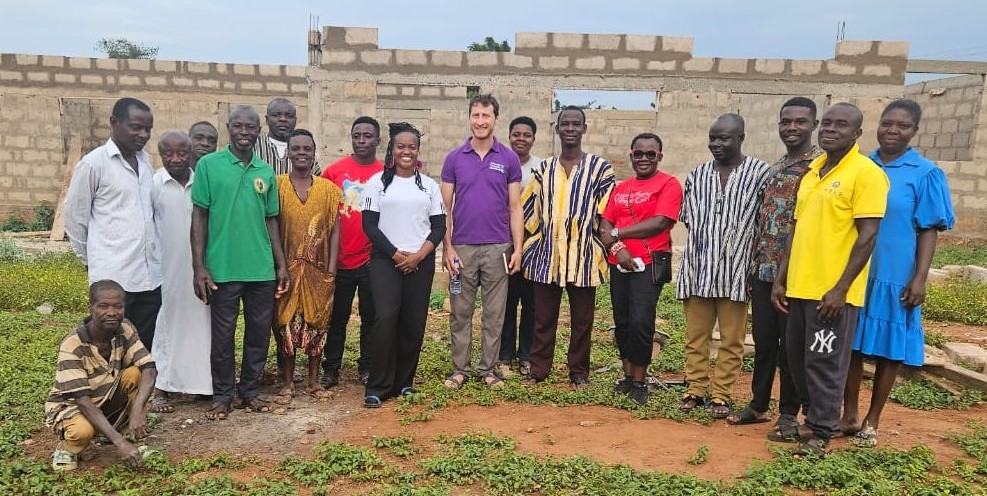
    Jonathan Kaufman, Executive Director of Advocates for Community Alternatives (ACA), recently toured five rural communities where residents are rolling up their sleeves and transforming their lives through a bold initiative known as the Facilitated Collective Action Process (FCAP), locally dubbed “Oman yie die.”

    With support from ACA and $8,000 in seed funding per community, places like Asuano, Johnkrom, and Nkwabeng in Nkoranza South, along with Ntabea and Abesim Yeboah in Abuakwa South, are turning microgrants into major milestones.

    In Asuano, construction is well underway on a new three-unit Junior High School block, complete with an ICT lab and teacher offices — a dream come true for students who previously studied under trees or in cramped conditions. In Johnkrom, women and youth are eagerly watching a new gari processing and milling center take shape — a move expected to boost local income and food security.

    But perhaps the most ambitious vision comes from Nkwabeng. Originally aiming for an outpatient department, the community is now rallying additional funds to build a 24-room health facility. Their goal is to upgrade their modest clinic into a fully functional polyclinic — a leap forward in rural healthcare.

    “These communities are not waiting for change — they’re building it,” said Mr. Kaufman. “And what’s even more inspiring is how openly and honestly, they’re doing it. I attended two accountability sessions where community leaders detailed every cedi spent. This kind of transparency sets a gold standard.”

    The ACA team, including Director of Community-Driven Development, Nana Ama Nketia-Quaidoo, also met with local government officials who are not just observing, but actively participating. Nkoranza South’s MCE, Godfred Dapaah, was praised for helping secure vital permits, including clearing hurdles with the Forestry Commission to allow timber harvesting for roofing.

    In Atiwa West, the spirit of partnership was equally strong. District Chief Executive, Amo Johnson Anom, personally donated building materials to a community project and even mediated a local conflict, urging unity for the greater good.

    “These leaders are not just sitting in offices — they’re getting their hands dirty for their people,” Mr. Kaufman added.

    Nana Ama noted that despite setbacks like seasonal storms and occasional leadership disputes, progress has been swift and spirited.

    “In just two months, most projects already have their roofs on. The communities have gone above and beyond — raising funds locally, contributing to labor, and staying resilient. That’s real ownership,” she said.

    From new classrooms to life-saving health facilities and income-generating centers, these projects are a testament to what happens when communities lead their own development — with a little support and a lot of heart.

  • Eric Anorrey named the Most Outstanding Sora Kaufman Fellow for 2025

    Eric Anorrey named the Most Outstanding Sora Kaufman Fellow for 2025

    In the heart of Ghana’s Bono Region, a quiet revolution is taking place. It’s not led by politicians or corporations, but by a determined young change-maker named Eric Anorrey who has been named as the Most Outstanding Sora Kaufman Fellow 2025. His recognition is not merely a personal accolade—it is a resounding endorsement of a vision that centers communities as architects of their own development.

    The Sora Kaufman Fellowship is an Advocates for Community Alternatives’ flagship program to establish a network of African leaders and practitioners in the field of community-driven development and advocacy. This exchange program targets practitioners who collaborate with relevant stakeholders to tackle community and systemic challenges that hinder the accessibility and involvement of citizens in decision-making.

    For emerging as the Most Outstanding Sora Kaufman Fellow 2025, Mr. Anorrey is receiving a $10,000 grant from the Fellowship to embark on a community-driven initiative designed to improve the economic wellbeing of 20 vulnerable women in the Sunyani Municipality, including teenage mothers and unemployed women below 45 years in the informal sector in Sunyani Zongo. Ultimately, this project aims to improve the socioeconomic status of these 20 women in the informal sector by providing them with guidance and mentorship as they pursue various economic ventures of their choices to achieve sustainable livelihoods and financial independence.

    Success indicators

    By July 2026, Mr. Anorrey hopes to ensure that the economic wellbeing of some 20 unemployed teenage mothers and single mothers under 45 years in Sunyani Zongo are improved and are financially independent through this intervention. Mr. Anorrey’s project further hopes to develop a strategic partnership between the 20 unemployed women and the Sunyani Municipal Assembly to ensure that the assembly incorporates marginalized women’s needs into its medium to long-term plans by July 2026.

    About GYIC

    Mr. Anorrey is the Executive Director of the Global Youth Innovation Center (GYIC) LBG, which was founded in May 2019. GYIC is legally registered in Ghana as a non-profit organization. The organisation envisages a world free of discrimination and inequalities in which all people are treated fairly and not discriminated against because of their race, gender, mental or physical disability.

    Gratitude

    Mr. Anorrey’s selection as the Most Outstanding Fellow is not just a mark of distinction, it reflects how he has embodied the values of the Fellowship. His gratitude message captured it best: “Being named the Most Outstanding Fellow is both humbling and inspiring. I see it as a responsibility to do more, give more, and lead with integrity and empathy. My selection is a celebration of the collective effort of everyone who believes in grassroots-led change. Together, we are shaping a future where communities are not just beneficiaries, but architects of their own development”, he said.

  • Bonsu community improves access to water through Oman yie die

    Bonsu community improves access to water through Oman yie die

    Access to clean water is no longer a distant dream but a growing reality at Bonsu, a farming community in the Nkoranza South Municipality of the Bono East region, thanks to a community-led initiative through the Facilitated Collective Action Process (FCAP).

    For years, residents of Bonsu, especially those living in the newly developed areas, have had to commute long distances in search of water from either a nearby stream or from a few individuals with mechanized boreholes in their homes daily. These residents, especially women and children would typically load a bicycle with jerrycans, push them for long distances, thereby negatively impacting their health.

    To address this challenge, the people of Bonsu began working collectively to extend pipe-borne water directly to various homes in October 2024.

    This bold step toward improving public health and daily living conditions was made possible with a GHS 120,000.00 microgrant from Advocates for Community Alternatives (ACA).

    So far, the impact has been quite remarkable as 75 out of about 307 households have been connected to the water system while most of the remaining households are in the process of getting connected. The community envisages at least 87 households, representing 40% of the households would have access to pipe-borne water in one year’s time.

    This is expected to significantly reduce the burden of walking long distances for water and ensuring a safer, more convenient water supply.

    Sustainability

    Beyond improving access to water, the project is also strengthening the community’s financial sustainability.

    Any household that seeks to extend the water, contributes a token of GHS 200.00 to the Oman yie die Committee, creating a local fund that will be used to support other development priorities identified during the community’s visioning and goal-setting stage of the FCAP process.

    Sharing his enthusiasm about the project’s long-term impact, Mr. Ameyaw Franklin, Technical Advisor from the Nkoranza South Municipal Assembly, said: “I’m excited about the fact that water will not be wasted but rather stored and used efficiently to benefit residents. Even more importantly, the small contributions from households will help generate income that the community can reinvest in future development initiatives.”

    Ms. Juliet Fosuaa, the Community-Based Facilitator, also reflected on the journey with pride saying: “I’m really excited about the knowledge ACA equipped me with through the FCAP methodology. It gave me the skills to guide my community in developing a shared vision, and today, that vision is becoming a reality through this successful water extension project.”

    Community-led

    The Bonsu water extension project stands as a compelling example of community-led development in action, where local voices, local leadership, and shared responsibility come together to create lasting change.

    Advocates for Community Alternatives, an NGO operating in Ghana using the FCAP methodology, is extremely excited to watch communities own their development trajectory, hoping that government and other social actors will be interested in adopting this strategy towards community planning and development.

  • Nkwabeng community expands healthcare access

    Nkwabeng community expands healthcare access

    Nkwabeng, a community near Nkoranza in the Bono East region, is taking bold steps to improve healthcare delivery by expanding its local Out-Patient Department (OPD), a project driven by the community’s vision for accessible, quality health services.

    Through Facilitated Collective Action Process (FCAP), community members collectively identified the need to expand the OPD section of their health center to ease congestion and improve health outcomes.

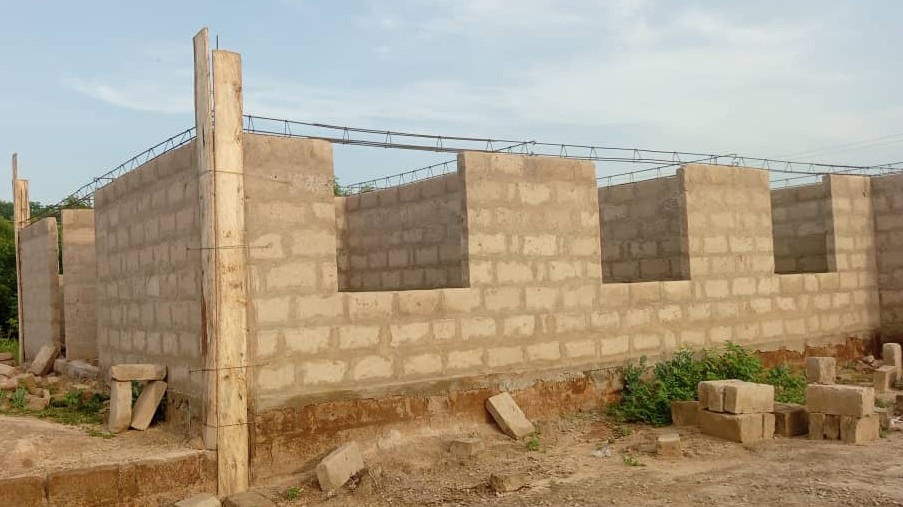
    The expansion work began in November 2024 and has since reached the lentil level, with roofing works set to begin soon.

    Advocates for Community Alternatives (ACA), a non-governmental organization, is supporting this project with a Gh.c 120,000.00 microgrant. 

    The grant has empowered the community to lead and manage the project, ensuring that the intervention reflects local priorities and promotes long-term sustainability. 

    Mr. Herthson Kumah, FCAP Chairman for Nkwabeng, expressed his enthusiasm for the project.

    “We are very excited about this initiative. I am especially glad that ACA, through the Municipal Assembly of Nkoranza South, chose our community as a beneficiary of the Oman yie die project. This OPD extension will go a long way to improve healthcare access for everyone in Nkwabeng and nearby communities.”

    Mr. Osei Nimako, Program Manager, also shared his thoughts about the project’s impact when completed and praised ACA’s model of community empowerment.

    “I am very hopeful this project will serve the community well. I commend ACA for its consistent efforts in promoting community-driven development and facilitating spaces where communities like Nkwabeng can lead their development initiatives.”

    Once completed, the expanded OPD is expected to significantly reduce waiting time, improve service delivery, and create a healthier environment for both patients and healthcare workers. 

    This project highlights the power of community-led development and the importance of supporting local voices and leadership in driving lasting change.

    Nkwabeng’s progress stands as a strong testament to what is possible when communities are equipped with the requisite knowledge to lead their development initiatives.

  • ACA trains 40 communities on Mining and Land Rights

    ACA trains 40 communities on Mining and Land Rights

    Advocates for Community Alternatives (ACA) continues to equip West African communities with the legal knowledge they need to protect their land and natural resources. In a recent initiative, ACA hosted a three-day legal training for representatives from 40 communities across Ghana, strengthening their understanding of mining and land governance.

    The training followed a needs assessment survey by ACA’s Legal Department, which revealed widespread legal threats facing community members – particularly around land acquisition and mining activities. In response, ACA brought together 50 Community-Based Facilitators (CBFs), Facilitated Collective Active Process (FCAP) executives, and other community representatives to participate in a hands-on learning session.

    The ACA Legal Team, which facilitated sessions on Ghana’s mining and land regulatory frameworks, explained key legislations, including the Minerals and Mining Act, 2006 (Act 703), its amendment Act 900 (2015), and other relevant laws such as the Minerals Development Fund Act, 2016 (Act 912), the Minerals Income Investment Fund Act, 2018 (Act 978), and the Kimberley Process Certification Act, 2003 (Act 652).

    The team further emphasized that any individual intending to search for, prospect, or mine minerals must first obtain a mineral right through the Minerals Commission, with approval from the sector minister. The law requires notification to relevant chiefs, allodial owners, and District Assemblies, including clear communication of the affected land area.

    On land ownership, the Land Act 2020 (Act 1036) was highlighted as the key legislation addressing ownership, acquisition, and registration and underscored the importance of land registration in preventing disputes and protecting legal rights.

    The ACA Legal Team also cited the Lands Commission, Office of the Administrator of Stool Lands, and Traditional Authorities as the primary institutions involved in land governance.

    Participants expressed appreciation for the training and requested similar workshops in their communities.

    “This training was insightful. I wish my whole community could have been here to benefit,” one participant shared.

  • A transformative journey of learning, connection, and impact

    A transformative journey of learning, connection, and impact

    A Sora Kaufman Fellow, Margaret Afia Konadu, maintains that her experience with the program remains a cornerstone of her personal and professional journey as it has reinforced her belief in the power of collaboration, adaptability and empathy to drive meaningful change. 

    According to her, the one-month in-house training and community engagement experience as part of the Fellowship was a unique blend of personal growth, professional development, and meaningful connections. It offered a holistic approach to building leadership and entrepreneurial skills while fostering a deeper understanding of community-driven development.

    Sharing her experiences with the SK Fellowship, she applauded the training session organized for the six pioneering members of the Fellowship, noting that it covered a wide range of topics that were not only educational but also deeply practical.

    “Sessions on financial management provided valuable insights into resource allocation and sustainability, which I plan to incorporate into the operations of Margees Craft and Training Center. Discussions on self-discipline emphasized the importance of personal accountability, an attribute that is vital in both professional and personal spheres”, she said.

    Interactive moments

    “We had the privilege of interacting with notable leaders like Captain Prince Kofi Amoabeng, whose experiences and wisdom underscored the importance of ethical leadership and resilience in the face of challenges.”

    Touching on the session on “balancing family and work”, Madam Afia Konadu said it was a crucial topic for anyone striving to excel professionally without neglecting personal responsibilities, adding that: “These discussions were complemented by practical topics such as monitoring and evaluation, which emphasized the importance of tracking progress and ensuring impact in all projects, and local governance and advocacy, which illuminated the role of community stakeholders in driving sustainable change.”

    Community engagement

    “Beyond the classroom, the community engagement at Bepoase was a transformative experience. The warm reception by Ma Selina and the local leaders was a reminder of the strength and resilience of grassroots communities. Observing ongoing development projects like the mechanized borehole and witnessing the role of community leaders reinforced the value of collaboration and stakeholder ownership in achieving meaningful change.”

    “Equally significant were the bonds formed during this journey. Whether it was through shared meals, heartfelt conversations, or participating in local activities, every interaction strengthened the sense of camaraderie among participants. These relationships have not only enriched my network but have also inspired a deeper commitment to fostering collaboration in my professional endeavors.”

    Challenges

    Madam Afia Konadu also made some observations regarding some challenges she encountered during the program.

    She mentioned some of them as “logistical difficulties and limited interaction time due to community activities.”

    “These obstacles became opportunities to practice adaptability and problem-solving, skills that are essential in leadership roles.”

    Knowledge gained

    It is instructive to note that the knowledge and insights she gained during this experience have already begun to shape her vision for Margees Craft and Training Center.

    She said the emphasis on community engagement and sustainable solutions will drive her efforts to expand weaving and skill development programs while the lessons on monitoring and evaluation will enhance our ability to measure impact effectively, ensuring that our initiatives truly address the needs of our beneficiaries.

    “As I move forward, this. The lessons learned, bonds formed, and memories created will continue to inspire me to lead with purpose and resilience in every endeavor.”