Category: Community-Driven Development

  • Nkoranza South: FCAP Leadership Committees back community development pathways

    Nkoranza South: FCAP Leadership Committees back community development pathways

    Story by So Abapa Boateng, Nkoranza

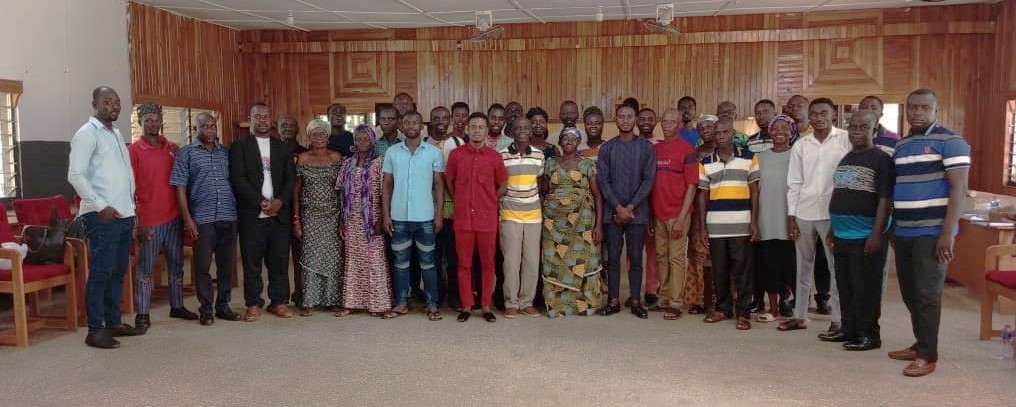
    Members of Leadership Committees in ten communities in the Nkoranza South Municipality, in the Bono East Region of Ghana, have pledged their commitment to lead their communities to create community development proposals to achieve a communal development vision.

    The Leadership Committee members held a meeting last week in Nkoranza to deepen their knowledge of the Facilitated Collective Action Process (FCAP), also known in Ghana as Oman Yie Die.  FCAP is a methodology that helps communities articulate a development vision, gain skills to implement that vision, and pursue projects consistent with that vision in a transparent and inclusive manner.  They vowed to leave no stone unturned to solidify their commitment by hard work and perseverance in the execution of the task ahead.

    Advocates for Community Alternatives (ACA), a non-profit-making organization that helps West African communities that are threatened by the destructive impacts of extractive projects to take control of their futures, is partnering with the Nkoranza South Municipal Assembly to roll out Oman Yie Die in ten communities in the Municipality: Asuano, Akuma, Abuontem, Akumsa Domase, Bredi No. 1, Bonsu, Barnufour, Brahoho, Kyekyewere and Nkwabeng.

    The FCAP Leadership Committee members and a selection of officers from the Nkoranza South Municipal Assembly Planning, Social Welfare and Community Development, and Works and Engineering Departments met to discuss strategic ways that they could support the Oman Yie Die development processes in their various communities. They also reviewed steps for the proposal development subphase of the FCAP and the various roles the Leadership Committee can play to make this sub-phase successful.

    The Leadership Committee members will use the information shared during this meeting to guide their chiefs, elders, and community members on the proposal development sub-phase and support community-based facilitators to implement FCAP activities.

    As part of the meeting, the participants were taken through different leadership styles and how that can impact the Oman Yie Die in terms of participation and the mobilization of the needed resources for the chosen community development pathways.  They also discussed procurement processes, implementation action plans and budgeting, maintenance plans, transparency and accountability, cost tracking and how to request micro-grants.

    Smooth implementation

    For the smooth implementation of Oman Yie Die in Ghana, each partner community has elected a team of a five-member or seven-member leadership committee to spearhead the FCAP implementation process.

    Each of the ten communities was represented at the meeting by the chairperson, secretary and treasurer of the FCAP Leadership Committee.

    These proposal development sub-phase meetings will last for two months, after which the communities will be able to begin implementation of their community development projects.
  • Nkoranza South CBFs undertake field work on FCAP

    Nkoranza South CBFs undertake field work on FCAP

    Story by So Abapa Boateng, Nkoranza

    It was yet another grueling and enduring moment for Community-Based Facilitators (CBFs) from ten partner communities in the Nkoranza South Municipality of the Bono East Region of Ghana. These CBFs, together with selected members of staff of the Nkoranza South Municipal Assembly, gathered once again in Nkoranza to deepen their understanding of the Facilitated Collective Action Process (FCAP), which aims at strengthening local participation in the implementation of the assembly’s medium term development plan.

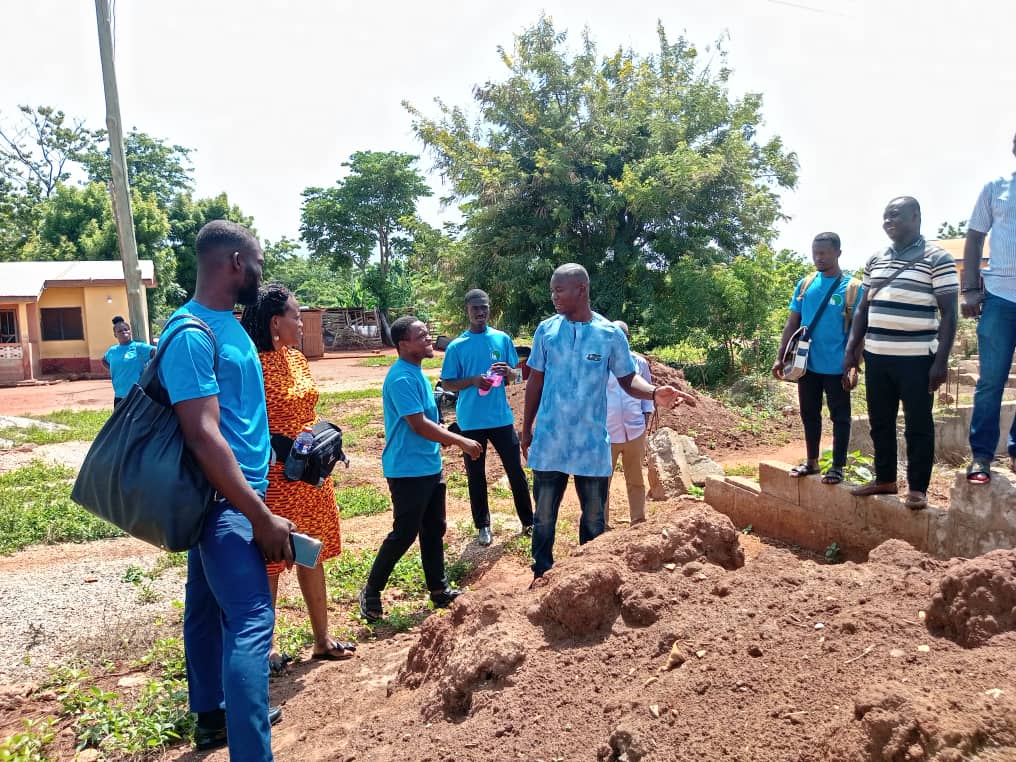
    One of the key highlights of the meeting was field practicing proposal development, which primarily provides an opportunity for the CBFs and the local government staff to interact with community members on the practicalities involved in community meetings in relation to the smooth implementation of FCAP.

    The field practicing proposal development phase provides an opportunity for a community to delve deeper into the choice of its development pathway and how it will aid in the fulfilment of the community’s development vision in line with the local assembly’s medium-term plan.

    The CBFs literally put into practice the activities learnt during the proposal development process. As part of the field practice, a topic from the proposal development sub-phase is selected for a facilitator to plan and come up with a meeting guide to facilitate it at a community meeting.

    As part of the field practicing proposal development, the CBFs visit selected project sites identified by the communities for their development pathways. This provides yet another opportunity for community leaders to delve deeper into the choice of the pathway and how it will aid in the fulfilment of their community development vision.

    The core objective is to equip the CBFs and the assembly staff with practical experience during the proposal development sub-phase. The CBFs plan their meetings by outlining the topics to be discussed, the facilitation techniques to be used and go further to figure out possible challenges that might come their way and how they will be addressed.

    The Director for Community-Driven Development (CDD) programs of ACA, Nana Ama Nketia-Quaidoo (Mrs), noted in an interview, that such an activity offers ACA the opportunity to assess the level of understanding of the CBFs on the various topics treated during the training sessions and how they will put the knowledge acquired into practice.

    “The assessment is done on their level of preparedness before the meeting, their understanding of the topic, the techniques used during the facilitation and how well they engaged the communities during the community meeting. It enables the trainers to identify areas that need improvement during the facilitation and promptly work with the facilitator to identify ways of improving upon it before the actual proposal development meeting in the communities start.”

    “It also builds the confidence of the CBFs in facilitating the various steps of the proposal development sub-phase and enables the assembly staff supervise them appropriately and further details the role of the technical advisor during the proposal development sub phase, which is guiding the communities to strategically tailor their implementation action plan and budget to their desired projects or development pathways.

    Bonsu and Nkwabeng hosted the team for the field practice, which was generally very successful. The team visited the Nkwabeng community development site where a proposed Out-Patients Department (OPD) is to be built under FCAP.

    At Bonsu, the visit took the team to the Bonsu water site to get firsthand knowledge on their proposition for an extension of water to their households.

    The ten communities which participated in the training programme were Akuma, Akumsa Domase, Abuontem, Asuano, Barnufour, Brahoho, Bredi No. 1, Bonsu, Nkwabeng and Kyekyewere.

    Advocates for Community Alternatives (ACA), a non-profit-making organisation, which helps West African communities that are threatened by the destructive impacts of extractive projects to take control of their futures, is partnering with the Nkoranza South Municipal Assembly to roll out FCAP, which is also called “Oman yie die” in Ghana, in these ten communities in the area.

    Community meetings are expected to be facilitated for two months by the CBF under the supervision of an ACA trainer and the Nkoranza South Municipal assembly staff.

    (Note: The writer is a CDD Trainer based in Nkoranza in the Bono East region of Ghana)