Category: Community-Driven Development

  • FCAP expansion set to transform 100 communities in West Mamprusi

    FCAP expansion set to transform 100 communities in West Mamprusi

    Advocates for Community Alternatives (ACA), in partnership with SPARK Microgrants, has announced plans to roll out the Facilitated Collective Action Process (FCAP) in the West Mamprusi Municipality of Ghana’s North-East Region beginning September 2026.

    The announcement follows a successful engagement visit by ACA’s team, including the Director of Community-Driven Development, Nana Ama Nketia-Quaidoo, Project Manager Godfred Osei Nimako, Senior Trainer George Nafiu Mpoah, and Monitoring and Evaluation Manager Jonathan Komla Agbenyega.

    The visit aimed to finalize discussions with the West Mamprusi Municipal Assembly on the implementation of FCAP and to explore possible revisions to the FCAP model, including the introduction of new Key Performance Indicators (KPIs) tailored to the needs of beneficiary communities.

    A major highlight of the visit was the signing of a landmark Memorandum of Understanding (MoU) between ACA and the West Mamprusi Municipal Assembly for the implementation of FCAP projects across 100 communities in the municipality.

    Under the agreement, the Municipal Assembly will contribute counterpart funding of $400 toward each FCAP community project, amounting to a total investment of $40,000. ACA, on the other hand, will provide microgrant support of $8,000 for each community project to drive sustainable community-led development initiatives.

    As part of the engagement, the ACA team visited the communities of Sandan-Fong and Kukua to assess their readiness and commitment toward the implementation of FCAP. The team also held a series of strategic meetings with officials of the West Mamprusi Municipal Assembly.

    Speaking after the visit, ACA’s Director of Community-Driven Development, Nana Ama Nketia-Quaidoo, reaffirmed the organization’s commitment to empowering communities through collective action and sustainable development.

    “We are excited to officially partner with the West Mamprusi Municipal Assembly to implement 100 projects in 100 communities through the Facilitated Collective Action Process,” she said.

    She emphasized the importance of community participation in achieving long-term development outcomes.

    “From my experience, the secret to lasting change is not just funding, but collective action. When communities come together with a shared vision, the impact can be transformational,” she added.

    Project Manager Godfred Osei Nimako also described the visit as demanding but rewarding.

    “It was very stressful but extremely successful,” he noted, adding that he was impressed by the enthusiasm and preparedness demonstrated by the communities ahead of the planned FCAP rollout.

    The upcoming implementation is expected to strengthen grassroots development, enhance local participation, and promote sustainable solutions across the West Mamprusi Municipality.

    Francis

    L’extension du PACF sur le point de transformer 100 communautés dans le district de West Mamprusi

    Advocates for Community Alternatives (ACA), en partenariat avec SPARK Microgrants, a annoncé son intention de déployer le Processus d’Action Collective Facilitée (Facilitated Collective Action Process – PACF) dans la municipalité de West Mamprusi, située dans la région Nord-Est du Ghana, à compter de septembre 2026.

    Cette annonce fait suite à une visite de travail réussie de l’équipe d’ACA, comprenant la directrice du développement communautaire, Nana Ama Nketia-Quaidoo, le chef de projet Godfred Osei Nimako, le formateur principal George Nafiu Mpoah et le responsable du suivi et de l’évaluation Jonathan Komla Agbenyega.

    Cette visite visait à finaliser les discussions avec l’Assemblée municipale de West Mamprusi concernant la mise en œuvre du PACF et à explorer d’éventuelles révisions du modèle, notamment l’introduction de nouveaux indicateurs clés de performance (ICP/KPI) adaptés aux besoins des communautés bénéficiaires.

    L’un des temps forts de cette visite a été la signature d’un protocole d’accord historique entre l’ACA et l’Assemblée municipale de West Mamprusi pour le déploiement des projets du PACF dans 100 communautés de la municipalité.

    Aux termes de cet accord, l’Assemblée municipale apportera un cofinancement de 400 $pour chaque projet communautaire du PACF, soit un investissement total de 40 000$. De son côté, l’ACA fournira une subvention (micro-grant) de 8 000 $ pour chaque projet communautaire afin de soutenir des initiatives de développement durable portées par les communautés.

    Dans le cadre de cette mission, l’équipe d’ACA s’est rendue dans les communautés de Sandan-Fong et Kukua afin d’évaluer leur niveau de préparation et leur engagement envers la mise en œuvre du PACF. L’équipe a également tenu une série de réunions stratégiques avec les responsables de l’Assemblée municipale de West Mamprusi.

    S’exprimant à l’issue de la visite, Nana Ama Nketia-Quaidoo, directrice du développement communautaire chez ACA, a réaffirmé l’engagement de l’organisation à autonomiser les communautés grâce à l’action collective et au développement durable.

    « Nous sommes ravis de nous associer officiellement à l’Assemblée municipale de West Mamprusi pour mettre en œuvre 100 projets dans 100 communautés grâce au Processus d’Action Collective Facilitée », a-t-elle déclaré.

    Elle a souligné l’importance de la participation communautaire pour obtenir des résultats de développement pérennes.

    « Selon mon expérience, le secret d’un changement durable ne réside pas seulement dans le financement, mais dans l’action collective. Lorsque les communautés s’unissent autour d’une vision commune, l’impact peut être transformateur », a-t-elle ajouté.

    Le chef de projet, Godfred Osei Nimako, a également décrit cette mission comme exigeante mais gratifiante.

    « C’était très intense, mais extrêmement réussi », a-t-il noté, se disant impressionné par l’enthousiasme et la préparation dont ont fait preuve les communautés à l’approche du déploiement prévu du PACF.

    Cette mise en œuvre à venir devrait renforcer le développement à la base, accroître la participation locale et promouvoir des solutions durables dans toute la municipalité de West Mamprusi.

  • Atiwa West District Assembly delivers Ghc315,000 worth of materials to support FCAP Community Projects

    Atiwa West District Assembly delivers Ghc315,000 worth of materials to support FCAP Community Projects

    The Atiwa West District Assembly has reaffirmed its commitment to improving community infrastructure by providing building materials valued at GH¢315,000 to support projects being implemented under the Facilitated Collective Action Process (FCAP) across eleven communities. This contribution significantly exceeds the Assembly’s initial commitment of GH¢120,000.

    With this milestone, Atiwa West has become the first partner district of ACA to make such a substantial contribution, demonstrating its strong commitment to the initiative despite initial implementation challenges.

    The presentation took place on 4th June 2026 at the District Assembly premises in Kwabeng in Ghana’s Eastern Region.

    The support forms part of the Assembly’s partnership with Advocates for Community Alternatives (ACA), a non-governmental organisation that works closely with local authorities and communities to advance sustainable, community-driven development. The contribution represents the Assembly’s commitment to finance 20 percent of the cost of each community project implemented under the partnership.

    The materials will accelerate the completion of critical infrastructure projects that address pressing needs in education, healthcare, housing, and water access.

    The beneficiary communities received a variety of construction materials, including cement, roofing sheets, floor and wall tiles, door panels, sanitary ware, and other essential supplies. These materials will support the construction and completion of nurses’ quarters, teachers’ accommodation, classroom blocks, kindergarten facilities, and mechanized boreholes.

    Among the beneficiaries were Larbikrom, Sankubenase, Akwaduuso, Gyamase, Yohunu, Pameng, Akropong, Ekorso Akwadum, Asunafo, Banso, and Mouso. While the majority of the materials were distributed during the ceremony, the remaining items – including plywood, paints, and additional door panels – are expected to be delivered soon.

    Speaking during the presentation, the District Chief Executive, Mr. Johnson Anom Amo, emphasized that the investment reflects its commitment to partnering with communities and development organizations to improve access to quality public infrastructure and essential services.

    ACA’s Project Manager, Godfred Osei Nimako, commended the Atiwa West District Assembly for honouring its commitment and demonstrating the value of collaborative partnerships in advancing local development.

    He noted that the support from the Assembly will help ensure that the projects are completed and ultimately improve the quality of life for residents across the beneficiary communities.

    The milestone highlights the importance of strong partnerships between local government, civil society, and communities in delivering lasting development outcomes and creating resilient, thriving communities across the Atiwa West District.

  • A Symbol of Togetherness: Boateh’s new durbar ground officially opened

    A Symbol of Togetherness: Boateh’s new durbar ground officially opened

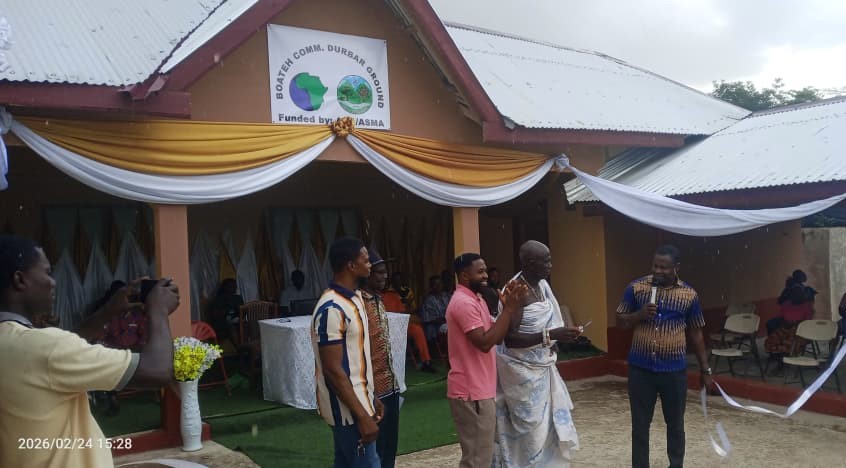
    Boateh, a quiet farming community in the Abuakwa South Municipality, was filled with colour, music and celebration last Tuesday as residents gathered to witness the official inauguration and handover of a newly constructed Durbar Ground.

    The project, a collaboration between Advocates for Community Alternatives (ACA), the Abuakwa South Municipal Assembly and the people of Boateh, marks another milestone in community-driven development within the municipality. It was implemented under ACA’s Oman yie die project, a community-driven development mechanism, that empowers local communities through planning, implementation and microgrants.

    What made the occasion particularly significant was not just the unveiling of a physical structure, but the story of unity and collective effort behind it.

    Speaking during the occasion, ACA’s Senior Trainer Francis Manu described the event as more than the commissioning of a project.

    “Today is not just the commissioning of a project,” he said. “Today is the commissioning of unity, vision, and self-belief.”


    He noted that through the FCAP process, the people of Boateh chose not to wait for development to come to them, but instead took the bold step to plan, decide and work together to bring their vision to life.

    “You didn’t wait to be developed; you chose to develop yourselves. You planned together. You decided together. You worked together. And today, you celebrate together,” he stated to loud applause.

    Drawing on Akan proverbs to underscore the spirit of togetherness, Mr. Manu quoted, “Nsa baako nkura adesoa” (One hand cannot lift a load), explaining that the Durbar Ground stands as proof that when hands come together, burdens become lighter and dreams become achievable.

    He added another proverb, “Baakofoɔ nsa ntɔ dua” (One person’s hand cannot fell a tree), emphasizing that the strength of the community lies in its unity. According to him, Boateh’s achievement demonstrates that development is not imported but built from within.

    Mr. Manu urged the community to see the Durbar Ground as only the beginning. As an income-generating project, he encouraged residents to remain accountable to one another, mobilize funds, revisit their community development vision board, and collectively pursue their next project.

    “If you could achieve this together, then you can achieve more,” he charged. “Tell the world that you did it together, and you can do it again and again.”

    Representing the Municipal Chief Executive, the Abuakwa South Municipal Planning Officer, Aaron Addo Yirenkyi, reaffirmed the Assembly’s commitment to its partnership with ACA and revealed that the collaboration has so far resulted in the implementation of 33 community-driven projects across the municipality.

    He commended the people of Boateh for their unity and determination in executing the Durbar Ground project, expressing admiration for their spirit of volunteerism.

    “The Assembly values and treasures its partnership with ACA,” he said, adding that Boateh’s example reflects what communities can accomplish when they take ownership of development initiatives.

    On behalf of the community, the Chief of Boateh, Dade Mantse Tetteh Kwabena, expressed profound gratitude to ACA and the Municipal Assembly for their support. He appealed for continued collaboration and more development projects to improve the area.

    As drums echoed across the new grounds and residents mingled in celebration, one message resonated clearly: the Durbar Ground is more than a gathering space. It is a symbol of togetherness, courage and community power, a testament that when Boateh walks together, it moves forward together.

  • Confidence Dominic Bedzina: Blending Academic Excellence with Practical Development Leadership

    Confidence Dominic Bedzina: Blending Academic Excellence with Practical Development Leadership

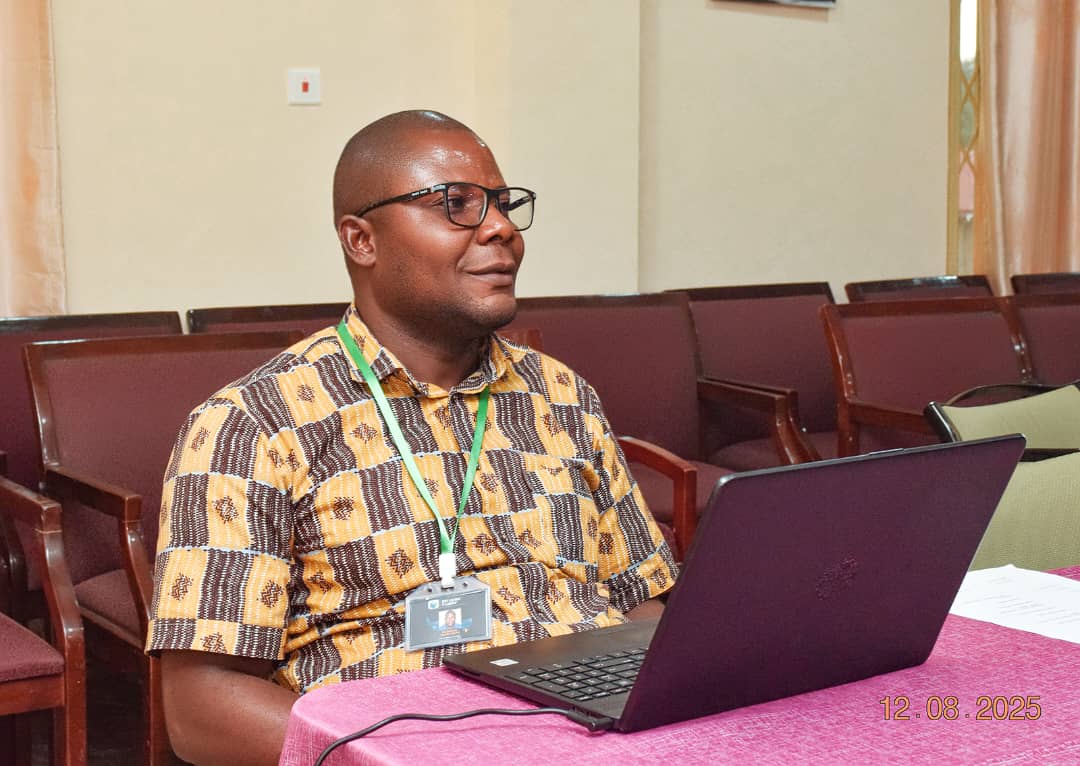
    The two-week in-person training for our three Fellows finally ended last Friday. Even as our Fellows zoom into the next phase of their training, which will mostly be through online, we want to know more about one of them – Confidence Dominic Bedzina.

    Confidence is a purpose-driven development professional with a strong blend of academic excellence, project leadership, and community service.

    Currently pursuing a Master of Science in Development Management at Kwame Nkrumah University of Science and Technology (KNUST), Confidence brings a solid foundation in Banking and Finance from the University of Professional Studies, Accra, complemented by years of hands-on experience in development-oriented projects.

    His career reflects a deep commitment to social impact, particularly in child, youth, and community development initiatives supported by both local and international partners.

    With proven expertise in project management, financial oversight, and community development, Confidence has successfully served leadership roles across multiple non-profit and volunteer organizations.

    As Director of Projects at the Amankwakrom Pentecost Child & Youth Development Centre, he oversees impactful, Compassion International–assisted programs, ensuring accountability, sustainability, and measurable outcomes.

    His professional journey also highlights strong competencies in monitoring and evaluation, global health project management, and leadership—skills further strengthened through certifications from the University of Washington and GIMPA.

    Known for his proactive mindset, teamwork, and excellent communication skills, Confidence Dominic Bedzina is a disciplined, results-oriented professional eager to contribute meaningfully to reputable institutions and development-focused organizations.

  • Juliet Nyarko Adansi: Advancing Gender Equality and Youth Empowerment Through Transformative Development Leadership

    Juliet Nyarko Adansi: Advancing Gender Equality and Youth Empowerment Through Transformative Development Leadership

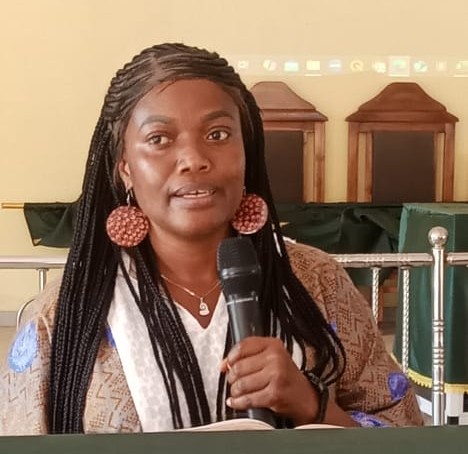
    Today, we put the spotlight on Juliet Nyarko Adansi, one of our three Fellows. Juliet is a Ghanaian development practitioner passionate about advancing gender equality, youth empowerment, and inclusive education across Africa. She is committed to creating safe and supportive environments where girls and young people can thrive, learn, and lead.

    She holds a Postgraduate Diploma in International Gender Equality Studies from the University of Iceland and a Postgraduate Diploma in Monitoring & Evaluation from GIMPA. Juliet earned her bachelor’s degree in Sociology from the Kwame Nkrumah University of Science and Technology (KNUST), where she developed a strong grounding in social systems, community development, and gender analysis.

    Juliet currently serves as the Ghana Programs Manager for Seeds of Fortune Inc., where she oversees national program implementation supporting African girls in leadership development, financial literacy, and scholarship access.

    She is also the Founder and Executive Director of the JOYA Foundation and the visionary behind the Keep Her in School Project, which she has led since 2021 to address menstrual health education and gender-based barriers affecting girls’ academic participation.

    Her work has recorded notable successes, including reaching over ten communities with menstrual health education, strengthening school-based gender awareness, and supporting girls and young women to access leadership and learning opportunities. Juliet has held several leadership and representation roles, including serving as Ghana’s Regional Leader for the UN Foundation’s Girl Up initiative, a National Coordinator for the African Union’s Centre of Excellence for Girls’ and Women’s Education in Africa (AU CIEFFA), a member of the She Africa Movement, and a Youth Delegate to the Council of Europe, where she contributed to youth policy dialogue and international advocacy.

    In 2025, Juliet worked as a consultant on the develoPPP Ventures Ghana program with TKC Africa and GIZ/GreenTec, supporting startup selection, due diligence, and ecosystem convening. Across her journey, she has worked with organizations including The Pearl Safe Haven and Obaapa Development Foundation.

    Looking ahead, Juliet plans to deepen community-led development practice, scale the Keep Her in School Instructor Training Program nationally, and strengthen JOYA Foundation as a platform for sustainable youth and women-focused interventions across Ghana.

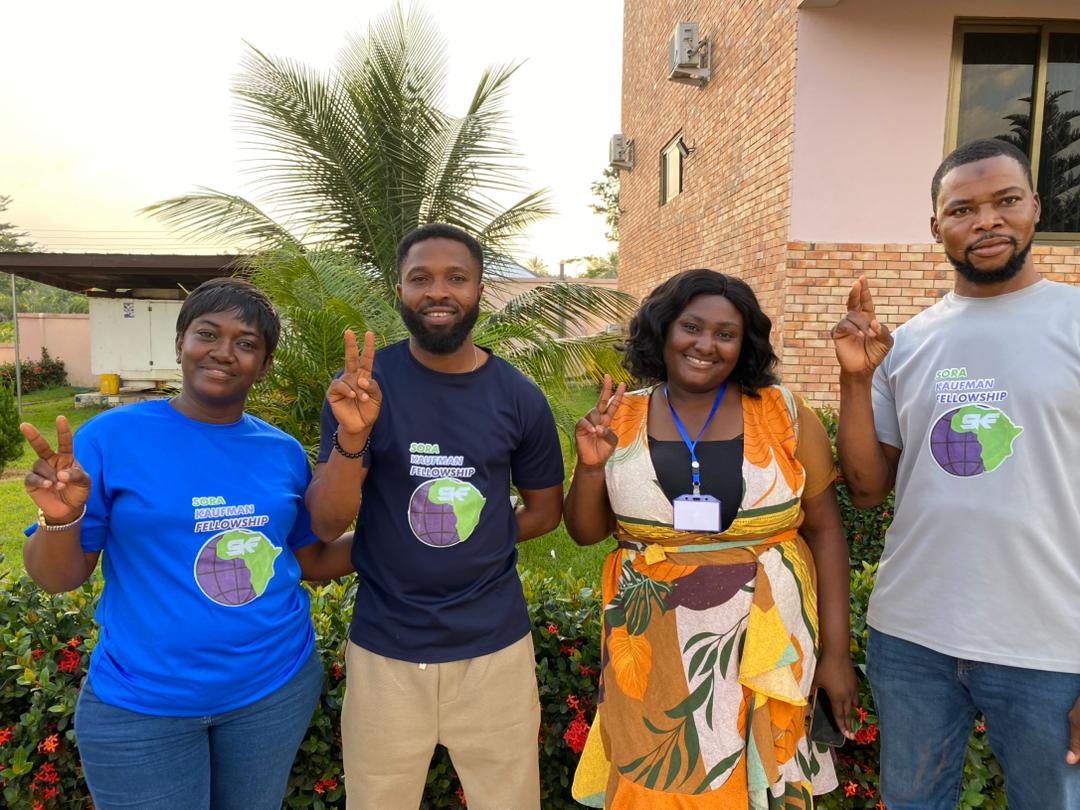
    We at ACA are delighted to have you on board this year’s Sora Kaufman Fellowship. Congrats!

  • Richmond Amada-Smith: A results-oriented development practitioner driving social impact in Ghana

    Richmond Amada-Smith: A results-oriented development practitioner driving social impact in Ghana

    In a time when effective leadership, accountability, and innovation are critical to sustainable development, Richmond Amada-Smith steadily distinguished himself as a committed development practitioner and project management professional with a strong passion for social transformation.

    Richmond, who is one of the three Sora Kaufman Fellows currently undergoing a two-week training, has over a decade of experience spanning project management, public administration, entrepreneurship development, and community sensitization and has contributed meaningfully to development initiatives across education, agribusiness, health, sanitation, and youth empowerment sectors in Ghana and beyond.

    Currently serving as the Project Director at Heritage Charity Foundation (HCF) in Sunyani, Richmond plays a leading role in designing, coordinating, and implementing development projects aimed at improving livelihoods and strengthening community resilience. His work focuses on stakeholder engagement, resource management, monitoring and evaluation, and impact reporting, ensuring that development interventions are both effective and sustainable.

    “Development must be inclusive, data-driven, and people-centered,” Richmond often emphasizes in his project engagements.

    Driving Change

    Since assuming his role at Heritage Charity Foundation in 2014, Richmond has spearheaded numerous sensitization and awareness programs in agribusiness, education, health, sanitation, and natural resource management. His responsibilities include preparing detailed development plans and project proposals, conducting baseline surveys, and leading monitoring and evaluation exercises.

    Under his leadership, HCF has strengthened its project accountability frameworks and improved community participation through structured stakeholder consultations. His ability to translate community needs into actionable project designs has earned him respect among development partners and local leaders.

    Richmond’s professional strength lies not only in execution but also in documentation and reporting, ensuring transparency and donor confidence through comprehensive project reports.

    Public Service

    Beyond the NGO space, Richmond demonstrated exceptional administrative competence during his voluntary service as Acting District Director at the National Service Scheme in Sunyani from 2015 to 2019. In this role, he was responsible for supervising service personnel, preparing monitoring and evaluation plans, processing payment vouchers, and producing quarterly and annual reports for the district.

    He also coordinated workshops for national service personnel, enhancing their professional orientation and effectiveness. His attention to detail, organizational skills, and ability to manage complex administrative processes contributed significantly to the smooth operation of the district office.

    Entrepreneurship and youth empowerment

    Richmond’s passion for youth development and entrepreneurship found expression during his tenure as Country Manager for the Global Entrepreneurship Bootcamp (GEB) from 2018 to 2019. Based in Accra, he led national efforts to promote entrepreneurship education, mobilize Ghanaian participation, and create a vibrant entrepreneurial ecosystem.

    He successfully formed and led national delegations to international bootcamps and organized national-level entrepreneurship programs aimed at nurturing innovation, business leadership, and startup growth among young entrepreneurs.

    His work with GEB positioned Ghana more prominently on the global entrepreneurship map while empowering local innovators with exposure, mentorship, and global networks.

    Academic and professional training

    Richmond’s professional journey is backed by a solid academic foundation. He holds a Master of Business Management in Project Management from the National Institute of Business Management in Chennai, India. He also earned a Bachelor of Arts in Integrated Management Studies from the University for Development Studies in Wa, alongside a Diploma in Social Work from the School of Social Work in Accra.

    This multidisciplinary educational background equips him with a balanced understanding of management, social development, and human-centered approaches to policy and project implementation.

    Global exposure

    Richmond’s impact extends beyond Ghana. He has participated in several prestigious international development and leadership programs, including internships and conferences in Germany, Brazil, Russia, South Africa, and Hong Kong. Notable among these are the Westerwelle Foundation programs in Berlin, the Apprenticeship for Good by The DO School in Rio de Janeiro, and the World Festival of Youth and Students in Sochi.

    These global experiences have broadened his perspective on sustainable development, innovation, and cross-cultural collaboration.

    Sustainable development

    Highly self-motivated, adaptable, and results-oriented, Richmond Amada-Smith continues to pursue excellence through professionalism, integrity, and lifelong learning. With strong competencies in project management, reporting, stakeholder engagement, and team leadership, he remains committed to making a lasting positive impact wherever he serves.

    As Ghana and the global community navigate complex development challenges, professionals like Richmond stand out as drivers of practical solutions, inclusive growth, and sustainable change.


  • Cohort 2 of the Sora Kaufman Fellowship Kicks Off Intensive Training in Asiakwa

    Cohort 2 of the Sora Kaufman Fellowship Kicks Off Intensive Training in Asiakwa

    Three individuals selected for the second cohort of the prestigious Sora Kaufman Fellowship, have arrived safely at Asiakwa in the Abuakwa South Municipality of Ghana’s Eastern Region to on a two-week intensive training program. They are Amada-Smith Richmond, Bedzina Confidence Dominic, and Juliet Nyarko Adansi.
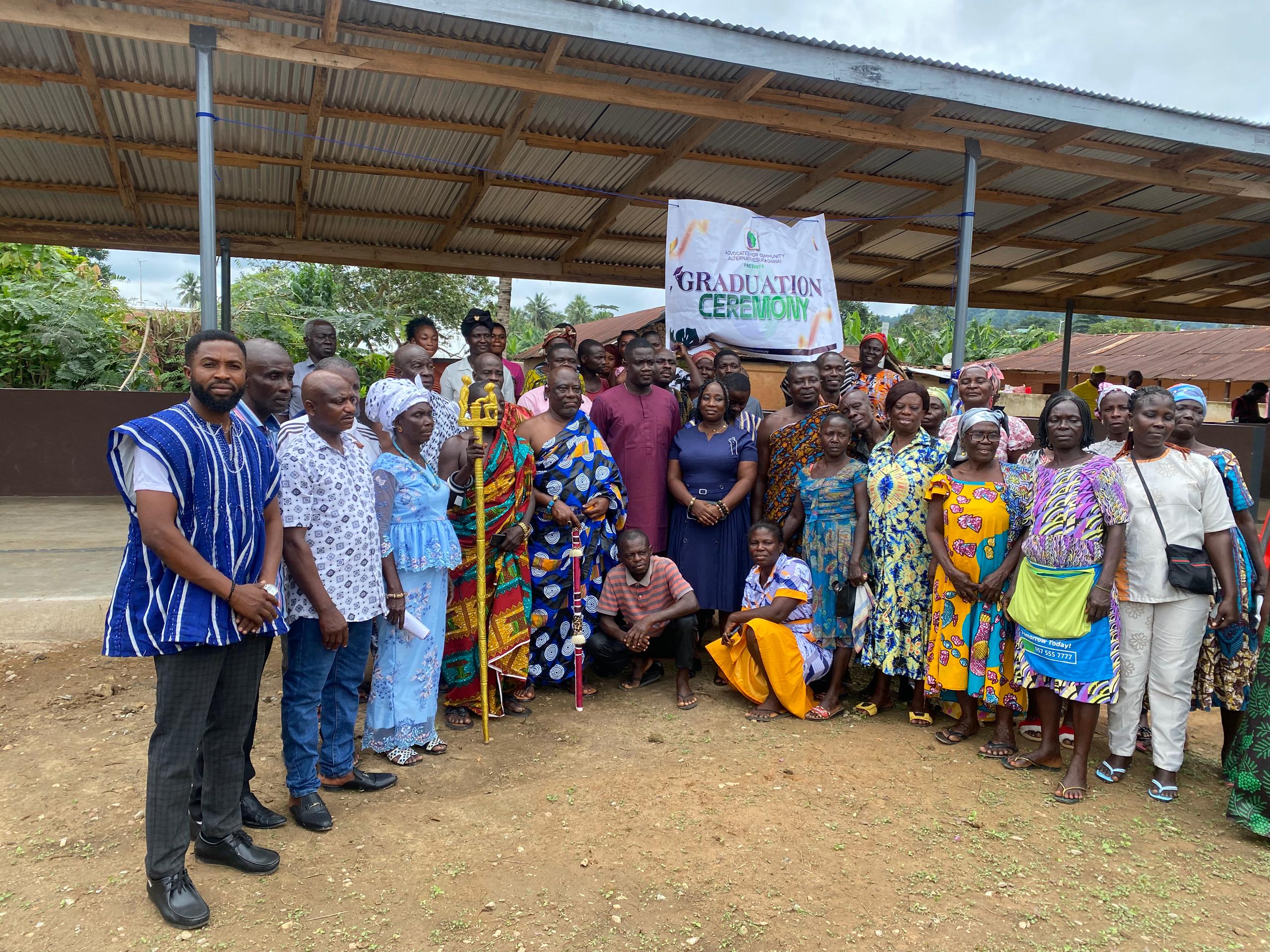
    The fellowship, widely recognized as ACA’s flagship initiative, is dedicated to cultivating a vibrant network of African leaders committed to advancing community-driven development (CDD) and grassroots advocacy across the continent.

    The program is designed for practitioners working directly with communities and local institutions to address systemic challenges that limit citizens’ participation in governance and decision-making.

    Through hands-on learning, collective exchanges, and strategic networking, the fellowship strengthens expertise in collective action, human rights, advocacy, and local governance systems.

    This year’s cohort follows the successful completion of a month-long immersive training by the inaugural group, whose impact continues to ripple across their respective communities.

    Opening session

    The opening ceremony will bring together distinguished leaders and facilitators who embody the vision of the fellowship. ACA’s Executive Director, Jonathan Kaufman; the Municipal Chief Executive of the Abuakwa South Municipal Assembly, Nana Adu Sarpong Addo-Aikins; and ACA’s Director of Community-Driven Development, Nana Ama Nketia-Quaidoo, will welcome the fellows. Members of Cohort 1 will also participate to share insights, inspire the new fellows, and foster cross-cohort learning.

    Following the welcome session, fellows will explore their expectations, fears, and ground rules, creating a transparent environment that promotes trust and collaboration. An official ACA/Fellowship Agreement Signing will formalize their commitment to the program’s values and objectives.

    The core of the training will introduce fellows to the essential pillars of CDD. Sessions will cover the introduction to community driven development, theories and concepts of collective action and rudiments, stages, advantages, and challenges of collective action

    These modules will guide fellows in understanding how collective mobilization influences sustainable development outcomes and community resilience.

    Daily evaluations and reflections will ensure continuous learning and adaptation, strengthening fellows’ ability to critically assess their roles as development practitioners.

    Field-Based Learning: FCAP in Practice

    A major highlight of the first week will be a field visit to observe a Facilitated Collective Action Plan (FCAP) meeting. Here, fellows will witness how different segments of a community contribute to local decision-making processes, an eye-opening opportunity to see collective action unfold in real time.

    After the field experience, fellows will return for a detailed debrief, unpacking their observations and articulating how these lessons can be applied in diverse development contexts.

    Community stay

    Midway through the program, fellows will pack up for a transformative community stay, departing to the Papaye Recreational Village. This immersion is designed to strengthen understanding of CDD principles by allowing fellows to live, engage, and work closely with community members.

    Upon return, a structured session will invite fellows to reflect on their experiences with community life, challenges encountered, personal and professional insights gained and what could be done differently in future CDD engagements

    These reflections are expected to deepen empathy, refine field skills, and broaden perspectives on people-centered development.

    Storytelling, Stakeholder Engagement, and Work-Life Balance

    As the training progresses, fellows will participate in a special webinar on effective communication and storytelling, equipping them with tools to document and share community impact stories compellingly.

    Another critical module will focus on stakeholder engagement with MMDAs, local authorities, chiefs, and community structures. Fellows will learn best practices for navigating local governance systems, a vital skill for any community development practitioner.

    Additional sessions will address monitoring and evaluation techniques, balancing family life, health ethics, and demanding development work, overview of post–on-site fellowship activities

    These sessions ensure that fellows not only develop technical competence but are also prepared for the personal and emotional demands of development practice.

    Looking Ahead

    With its blend of theory, practice, reflection, and community immersion, the Sora Kaufman Fellowship continues to establish itself as a leading program shaping Africa’s next generation of community development leaders.

    As Cohort 2 begins their journey in Asiakwa, they carry forward a growing legacy, one grounded in collaboration, empowerment, and a deep commitment to ensuring communities across Africa have a stronger voice in shaping their own development futures.

  • ACA invests $240,000 in development projects across 30 Fanteakwa South communities

    ACA invests $240,000 in development projects across 30 Fanteakwa South communities

    Advocates for Community Alternatives (ACA), an Accra-based international non-governmental organization, has injected $240,000 into various development initiatives across 30 communities in the Fanteakwa South District of the Eastern Region over the past five years.

    According to Nana Ama Nketia-Quaidoo, ACA’s Director of Community-Driven Development, each of the 30 beneficiary communities received $8,000 from ACA, with the Fanteakwa South District Assembly contributing an additional $1,000 per community.

    Beneficiary communities include Juaso, Nsuapemso, Saamang, Abompe, Bosuso, Subrima, Nsutam, and Nsuta-Dahomey, among others.

    Range of projects

    Speaking at a Town Hall Meeting organized by the District Assembly at Saamang near Osino, Mrs. Nketia-Quaidoo highlighted that the projects undertaken include:

    • Three (3) clinics
    • Thirteen (13) mechanized boreholes
    • Seven (7) school blocks
    • Two (2) teachers’ bungalows
    • A poultry farm
    • Two (2) black soap production centers
    • A bridge
    • A concrete road
    • a market centre
    • Electricity extension to two communities and
    • Two community centers

    She commended the chiefs and people of Saamang, Subrima, and Nsuta-Dahomey for their exceptional communal spirit, which she said greatly facilitated the speedy implementation of their respective projects.

    “These are communities whose cooperation and commitment have been exemplary,” she said, urging other communities to emulate their example.

    Mrs. Nketia-Quaidoo also advised local leaders to properly document lands earmarked for development to prevent future disputes and encouraged constructive collaboration among opinion leaders to ensure continuity in development efforts.

    “Development is not about positions or personal interests — it’s about continuity and shared responsibility,” she emphasized.

    She further noted that accountability should be a two-way process, calling on citizens to not only demand transparency from authorities but also play their part responsibly in community development. She urged traditional leaders to periodically hold accountability sessions with their people.

    Continuity

    In her remarks, Mercy Akosua Korang, the District Chief Executive (DCE) for Fanteakwa South, assured residents that the government remains committed to completing all ongoing Agenda 111 hospital projects across the country.

    She said the government is currently reviewing the contractual agreements for the projects and will resume work soon.

    “Governance is a continuous process. The Agenda 111 projects will not be abandoned — they will be completed for the benefit of all,” she assured.

    Responding to a question about the status of the Agenda 111 project at Nsuapemso Junction, the DCE confirmed that construction would soon resume and appealed for public confidence in the government’s commitment to deliver.

    Ongoing District Projects

    Mrs. Korang further disclosed that several development projects are underway in the district, including road construction works, the establishment of two new CHPS compounds renovation and construction of school blocks, installation of additional mechanized boreholes

    She appealed for continued cooperation from chiefs and residents to ensure the smooth execution of these projects.

    Officials from the Assembly — including the District Coordinating Director, Budget Analyst, Planning Officer, Works Engineer, and a representative of the Member of Parliament — also addressed the gathering.

    Equitable Development

    Barima Dr. Ofori Nyarko Tetepo II, the Chief of Saaman, who chaired the meeting, commended the Assembly for engaging citizens and promoting accountability. He, however, urged authorities to ensure a fair distribution of development projects across the district.

    He also proposed the establishment of a major market center to boost local commerce, offering 20 acres of land for the initiative.

    “A central market will enhance trade and open up economic opportunities for our people,” he said.

  • ACA Partners Kaeme Cosmetics and Bohten Eyewear to Mark World Sight Day in Akyem Juaso

    ACA Partners Kaeme Cosmetics and Bohten Eyewear to Mark World Sight Day in Akyem Juaso

    As part of this year’s World Sight Day celebrations, Advocates for Community Alternatives (ACA), in partnership with Kaeme Cosmetics and Bohten Eyewear, organized a comprehensive skincare and eye health outreach program on Wednesday, October 8, 2025.

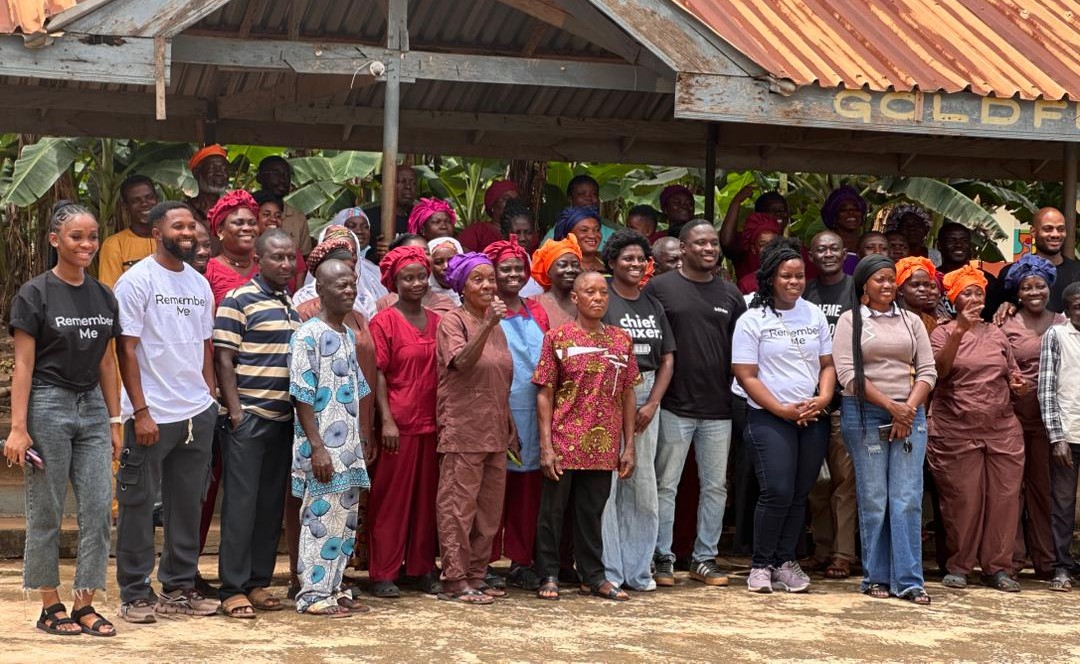
    The event, held at Juaso in the Fanteakwa South District of Ghana’s Eastern Region, brought together residents of ACA’s black soap-making communities—Juaso and Bosuso—as well as other members of the wider community for a day dedicated to wellness, education, and preventive healthcare.

    The outreach combined free eye screening services, skincare education, and health talks aimed at improving the overall well-being of local artisans, many of whom are women engaged in the traditional production of black soap—a culturally significant and economically vital product in Ghana and across the globe.

    Empowering Soap Makers Through Health

    ACA, a non-governmental organization that empowers West African communities to take control of their development, recognized that sustaining traditional livelihoods like black soap production must go together with ensuring artisans’ health and wellness.

    “Black soap production requires precision, attention to detail, and the handling of natural materials—often over open fires or in sunlit conditions. Good eyesight is essential,” said Nana Ama Nketia-Quaidoo, ACA’s Director of Community-Driven Development (CDD), during the event.

    “We want our community members to thrive not only economically but physically. This initiative is about supporting the full health and productivity of the people who sustain this cultural craft.”

    Hundreds of community members participated in the free eye screenings, conducted by licensed optometrists. Attendees were examined for common eye conditions such as glaucoma, cataracts, and vision impairments, with some receiving referrals for further treatment or corrective lenses.

    Bohten Eyewear, a company known for its eco-conscious and stylish frames, also donated eyewear and provided information about eye care and protection.

    A Holistic Approach to Wellness

    Kaeme Cosmetics, a premium Ghanaian company specialising in personal care products such as shea soufflé, liquid black soap, soy candles and African-print toiletry bags, offered skin care education and product samples to attendees. Their team emphasized the importance of skin protection for artisans regularly exposed to heat, smoke, and harsh environmental conditions during soap production.

    “We believe that beauty and health are interconnected,” said a representative from Kaeme. “Many of the ingredients used in traditional soap making—like shea butter and palm kernel oil—have amazing properties. It’s important for the producers to understand how to protect and nourish their own skin while crafting products that nourish others.”

    The event was interactive and engaging, featuring live demonstrations, Q&A sessions with health professionals, and educational talks on both eye and skin health. Community members also shared personal stories about how vision and skin issues have affected their work, underscoring the importance of regular health screenings and access to information.

    Looking Ahead

    As World Sight Day draws attention globally to the importance of eye health, ACA’s localized celebration in Juaso highlights how targeted, community-driven initiatives can make a tangible impact. The collaboration between ACA, Kaeme Cosmetics, and Bohten Eyewear shows a powerful model of public-private partnership focused on sustainable development and human-centered care.

  • Ten communities graduate from FCAP after successful project implementation

    Ten communities graduate from FCAP after successful project implementation

    In a colourful and inspiring graduation ceremony at Amanfrom, ten communities in the Abuakwa South Municipality of Ghana’s Eastern Region have been celebrated for the successful completion of their community-driven development projects under the Facilitated Collective Action Process (FCAP). Also called “Oman yie die”, the initiative, led by the Accra-based NGO Advocates for Community Alternatives (ACA), is empowering rural communities to identify their own development priorities, mobilize resources, and implement solutions for long-term impact.

    Each of the graduating communities has implemented a unique project tailored to its most pressing needs, achieving tangible results aligned with key success indicators. The ceremony served not only as a recognition of their achievements, but also as a testament to the power of grassroots participation in sustainable development.

    Livelihoods and Economic Empowerment

    To combat unemployment and boost local income, the Apapam community has completed a Pig Farm Venture aimed at reducing unemployment by 5% by 2025. The initiative also targets a 20% income increase for pig traders and a 15% growth in their savings.

    Similarly, Obopekonya has built a Palm Oil Processing Centre that is projected to increase employment among local palm oil producers by 20% and boost the income and savings of palm oil traders by another 20% within a year.

    In Obopeko, residents are already benefiting from a newly constructed Corn Mill Processing Centre, which will allow between 20% to 50% more community members to process their corn and gari locally. The project is expected to raise farmers’ incomes by 20% and drastically reduce the distance they previously had to travel—more than 5km—to process their crops.

    Amanfrom has successfully launched a mini-market project designed to tackle rural unemployment. Projections show the project will reduce unemployment by 15% by 2026, increase market traders’ income by 40%, and raise their savings by 20%.

    Water and Sanitation Improvements

    Access to potable water—a long-standing challenge in many rural communities—was tackled head-on by three of the graduating communities. Asiakwa, Addo Nkwanta, and Adadientem have each completed mechanized borehole projects, significantly improving water access and public health. These projects aim to reduce the average distance to safe water from over 5km to under 1km, cut waterborne diseases from 50% to 10% in the first year, and boost access to clean water by 25% within 18 months.

    Infrastructure for Safety and Trade

    Communities like Bomponso and Lartemu tackled mobility and safety challenges with the construction of Foot Bridges. These critical infrastructures are expected to reduce accidents and fatalities by 15%, improve access to nearby communities by 50%, and boost local trade by 20% within the first year.

    Powering Progress

    The Adortoa community celebrated the successful implementation of an Electricity Extension Project. This game-changing initiative is forecast to increase economic activities by 30%, improve academic outcomes among students by 25%, and enhance security in the community by 40% over the next 12 months.

    A Model for Community-Led Development

    Speaking at the graduation ceremony, representatives from ACA commended the communities for their dedication, unity, and vision. “These projects show that when communities are empowered to take charge of their own development, the results are remarkable. FCAP is not just a process; it’s a movement towards sustainable, people-driven transformation,” ACA’s Senior Trainer, Francis Manu noted.

    Traditional leaders, government representatives, and community members all praised the FCAP initiative, with many calling for its expansion across more districts in the Eastern Region and beyond.

    The Abuakwa South Municipal Chief Executive, Nana Adu Sarpong Addo Aikins, who graced the occasion with his presence, inaugurated the Amanfrom market.

    He assured the gathering of his unwavering commitment towards the completion of the remaining projects being implemented in partnership with ACA.

    As these ten communities move forward, their projects are set to serve as models of success and inspiration for other rural areas seeking to shape their own development paths. The graduation marks a milestone—but for these communities, it is only the beginning of a brighter, self-driven future.