Category: CiCoNet

  • Enrolment significantly increases following renovation works on Saamang R/C school

    Enrolment significantly increases following renovation works on Saamang R/C school

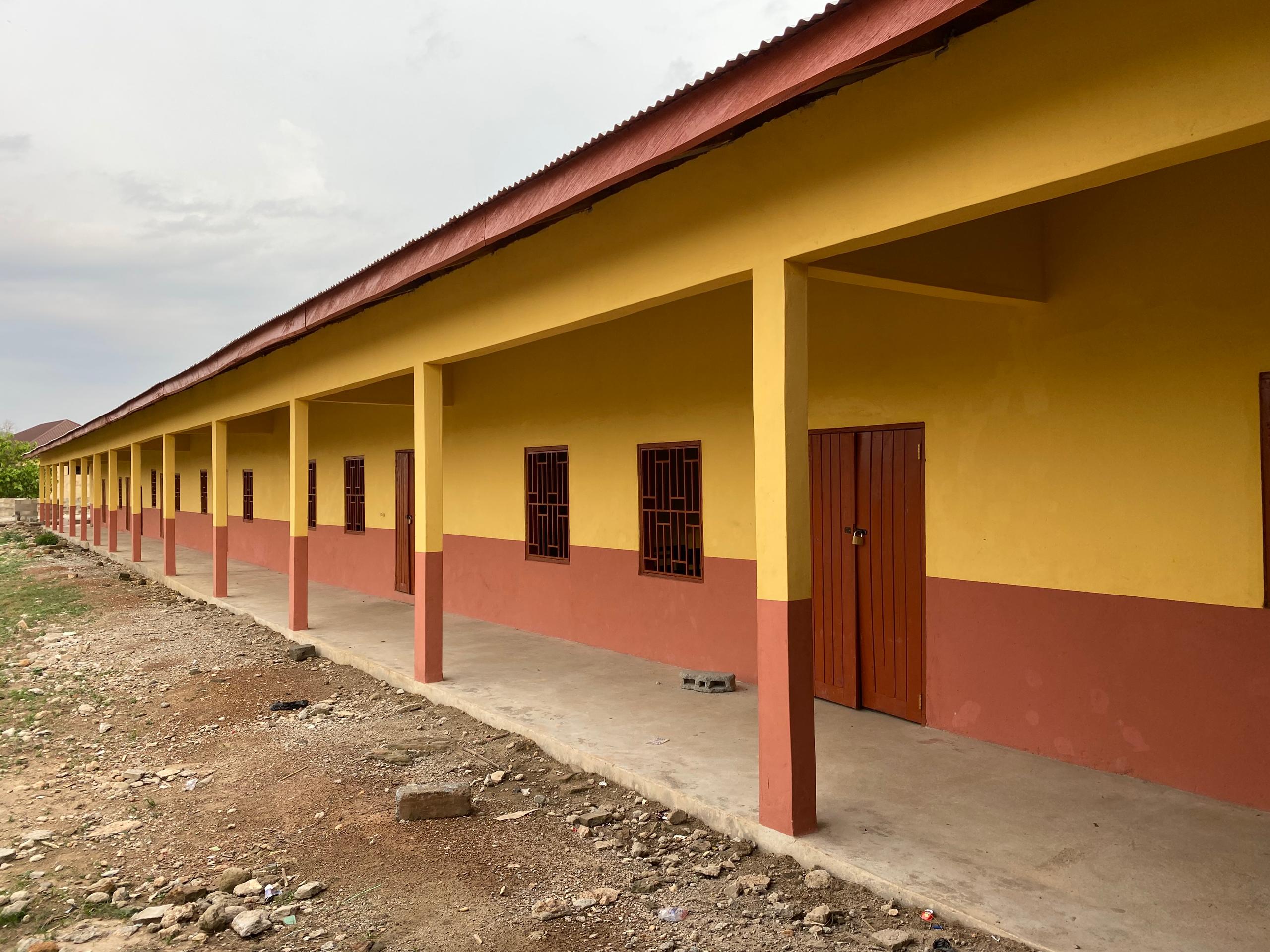
    The Saamang local Roman Catholic Basic School in the Fanteakwa South District of the Eastern region of Ghana this year enrolled 85 new pupils, pushing its total enrolment figure from 150 to 235 and making it the second largest primary school in the area.

    This significant increase of 56.6% of student population follows the completion of renovation works on the school last year.

    Pupils and teachers of the kindergarten and the primary sections could not hide their joy when they were ushered into their newly renovated classroom block at the beginning of the academic year.

    The headmaster of the school, Mr. Samuel Abrokwa, said in an interview that the facelift given to the school has undoubtedly impacted positively on the academic fortunes of the school and commended the Fanteakwa South District Assembly and ACA for coming to their aid.

    “We are so happy to be learning under such a conducive environment and this would undoubtedly enhance teaching and learning in the school”, one of the pupils said after her first day in the renovated building.

    Renovation works on the school were carried out last year under the Facilitated Collective Action Process (FCAP), a partnership between the district assembly and Advocates for Community Alternatives (ACA), a non-governmental organization, which helps West African communities that are threatened by the destructive impacts of extractive projects to take control of their futures.

    Following the completion of the project, the school is now providing convenient teaching and learning environment for the kindergarten and the primary sections of the school and ultimately contribute to the overall improvement in educational standards in the district.

    /By the end of this academic year, the dropout rate is to decline by 5%. It is also anticipated that the completion of this project will, in the long-term, reduce the cost of education for pupils in Saamang by 15%.

    In an interview, the Assembly member for the Saamang Electoral Area, Desmond Ofori Abrokwa, said the state of the school block prior to the start of the renovation works was deplorable and adversely affected enrolment as well as effective teaching and learning.

    “As I speak to you, our kids have a conducive environment to go about their studies. Also, teachers are happy to give their best. The looks on their faces tell it all”, he said.

  • Sagyemase wins Best CHPS Compound award in Abuakwa South

    Sagyemase wins Best CHPS Compound award in Abuakwa South

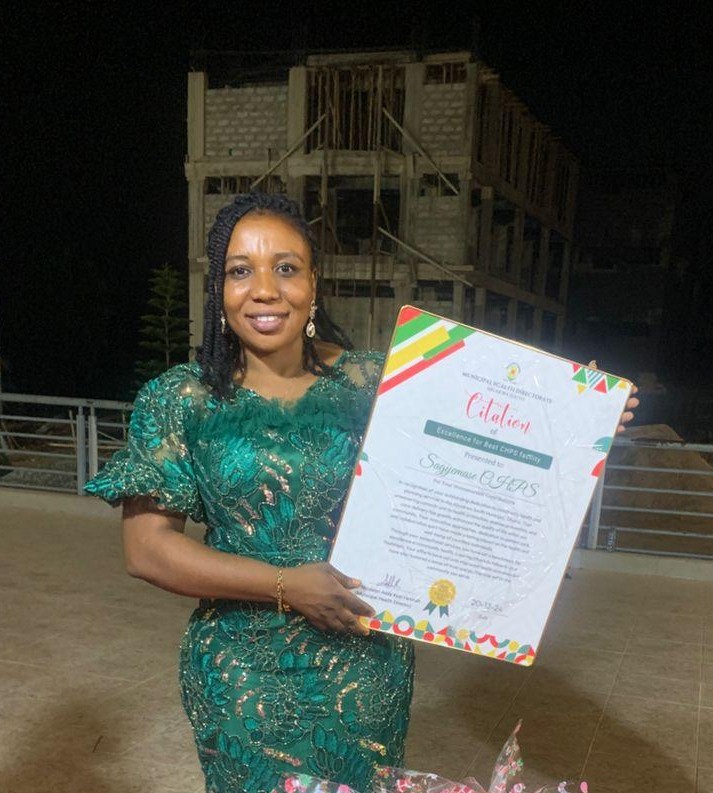
    In less than a year of operations, the Sagyemase CHPS Compound has been adjudged the Overall Best CHPS Compound in the Abuakwa South Municipality, beating about eight other primary health care facilities.

    “Through your exceptional services, you have set a benchmark for excellence in community health, inspiring others to follow in your footsteps. Your efforts have not only improved health outcomes but also fostered a sense of trust and partnership within the community you serve,” a citation presented to the Sagyemase CHPS Compound partly read.

    This was at the 2024 annual awards ceremony held at Kyebi and organized by the Abuakwa South Municipal Directorate of the Ghana Health Services.

    Advocates for Community Alternatives (ACA), an Accra-based non-governmental organization, partnered with the Sagyemase community and funded the CHPS Compound with a $ 9,000 microgrant in line with its Facilitated Collective Action Process (FCAP).

    Ahead of the implementation of the project, the community identified many challenges confronting them but settled on a clinic with the aim of increasing people’s access to malaria treatment by at least 10% after one year of operations.

    Th good news is that over 300 patients accessed malaria treatment at the facility during the period. This figure represents a 12% increase in this regard as against the community’s earlier projection of 10% increase.

    It is also on record that out of the over 50 expectant mothers who attended antenatal services in the clinic last year, 48 successfully delivered without challenges and same number of babies survived all through to post-natal services, reducing the infant mortality rate by 15%. Also, access to health education went up by over 10% in the same period. This is because residents of Sagyemase and other surrounding communities are now able to walk freely to the CHPS Compound for health education purposes.

    This feat by the Sagyemase CHPS Compound exemplifies the pronounced impact of ACA in its partner communities in the Eastern and the Bono East Regions of Ghana.

  • Community-Based Facilitators undergo training on FCAP implementation process

    Community-Based Facilitators undergo training on FCAP implementation process

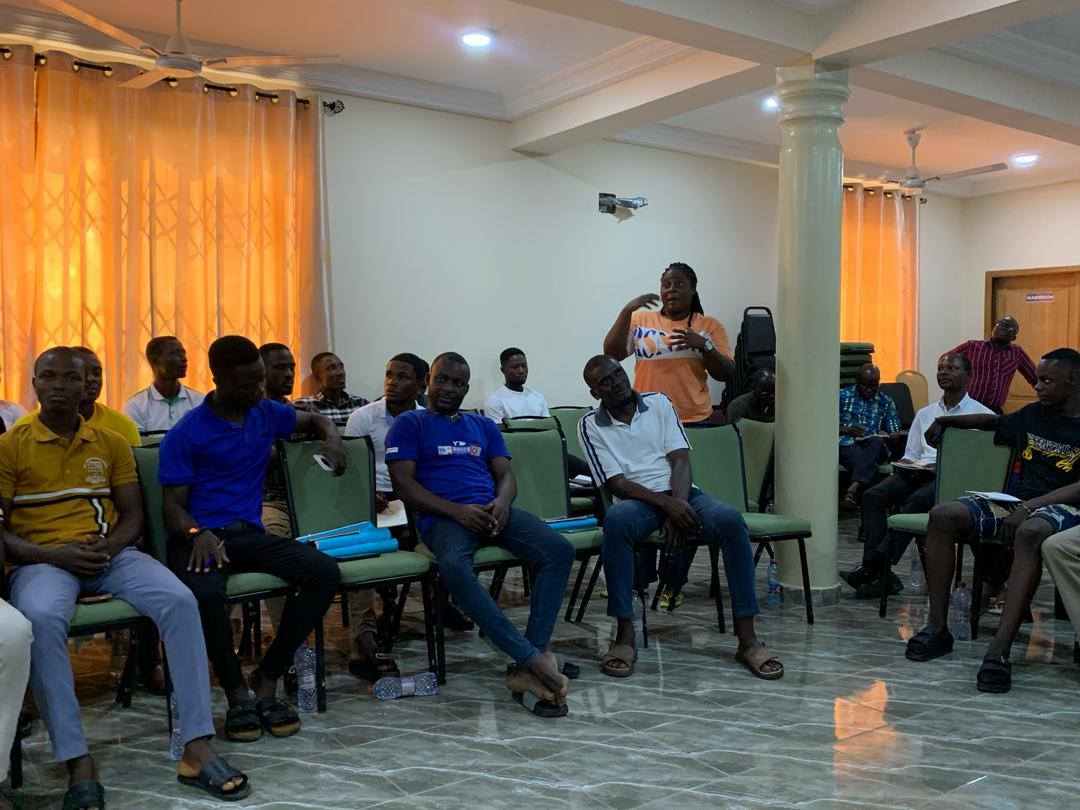
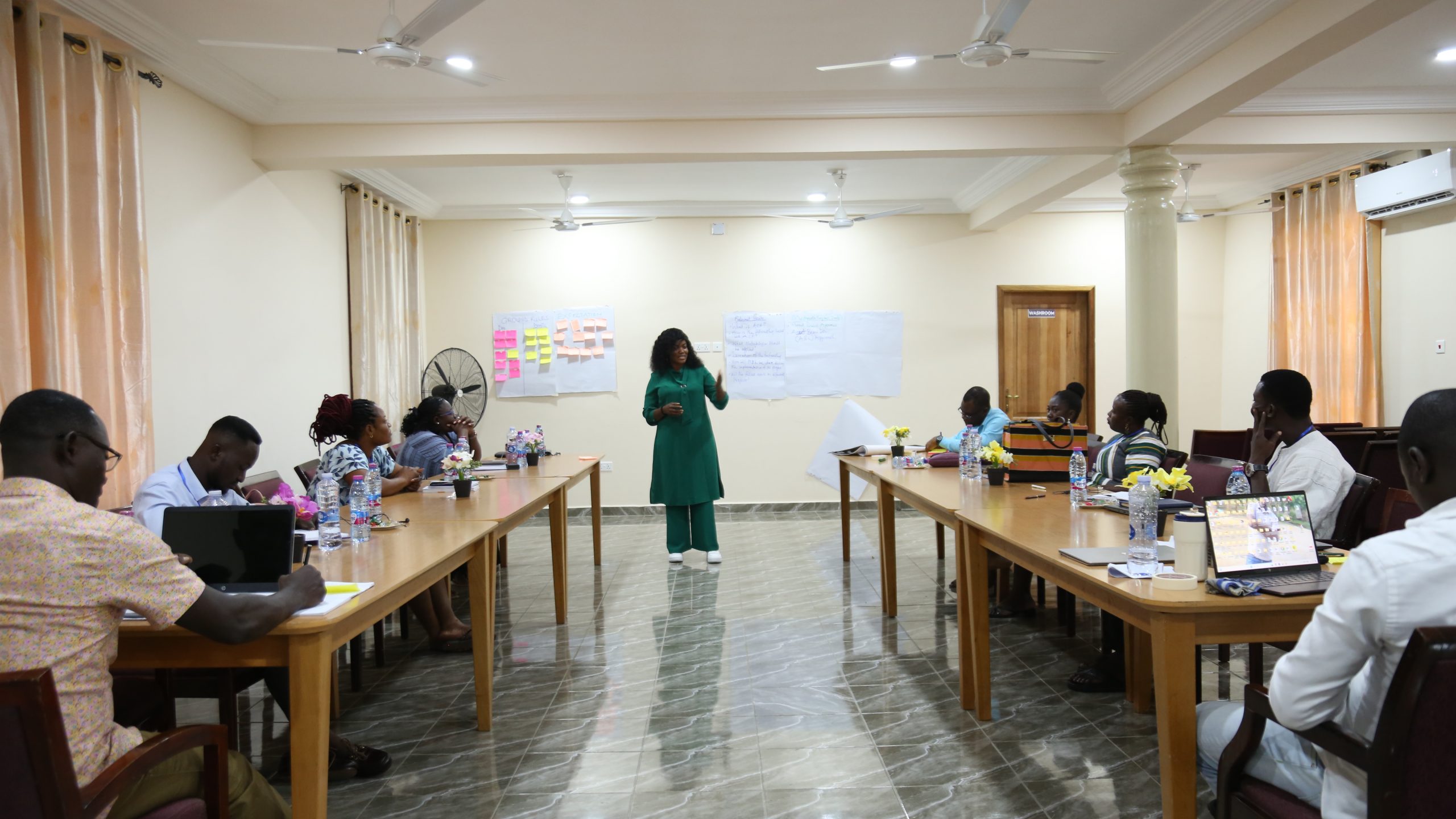
    Community-Based Facilitators (CBFs) from 45 communities and selected local government staff in Abuakwa South, Fanteakwa South, Atiwa West, and Nkoranza South have rounded up a week-long training programme on the Facilitated Community Action Process (FCAP), a community-driven development tool.

    Advocates for Community Alternatives (ACA), a non-governmental organization operating in Ghana and other African countries, organized the training to equip participants with the requisite skills in procurement methods, implementation action planning and budgeting, risk and mitigation strategies, and community engagement plans.

    These areas are crucial in ensuring transparency, efficiency, and sustainability in local development initiatives.

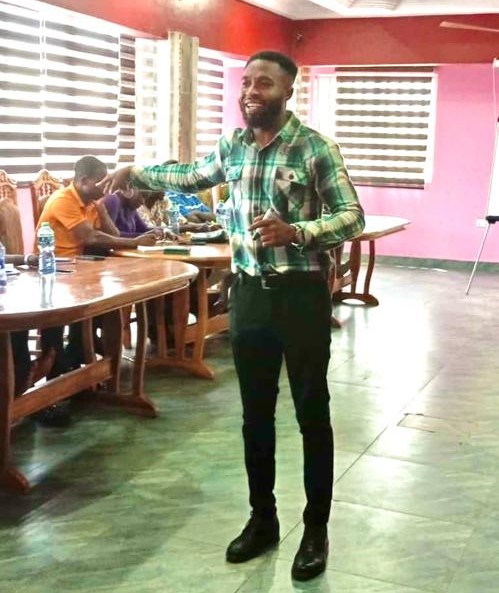
    Through interactive sessions and practical exercises, participants gained valuable insights into effective community engagements, project risk management, and accountable implementation strategies. The training also fostered collaboration between local government staff and community facilitators, strengthening participatory governance at the grassroots level.

    Following the planning process of the FCAP methodology, each community will receive $8,000 to support the implementation of their community-led development initiatives. This financial support will be complemented by community contributions, either in cash or in kind, ensuring shared ownership and sustainability of the projects.

    Communities will use these resources to develop action plans for projects such as CHPS compounds, teachers’ quarters, classroom blocks, boreholes, grinding mills, gari processing centers and bridges, among other community-driven projects.

    To enhance the success of these projects, communities will also benefit from technical advice from experienced professionals with expertise in their respective areas of development. This mentorship will help ensure the effective execution and long-term impact of their initiatives.

    Project execution and completion are expected within six months after community microgrant agreements are signed with the 45 participating communities. This timeline ensures that the development initiatives are implemented efficiently and that communities can quickly benefit from the improved infrastructure and services.

    Speaking at the training, Nana Ama Nketia-Quaidoo, ACA’s Director of Community-Driven Development (CDD) Department, emphasized the importance of inclusive planning and local leadership in ensuring development interventions aligning with community needs.

    “ACA remains dedicated to empowering local actors to champion development, accountability, and citizen participation. This initiative is expected to strengthen collaboration between communities and local government authorities, ultimately leading to more inclusive and impactful governance”, she also said.

    Participants expressed their commitment to applying the knowledge gained to drive meaningful changes in their respective districts.

    Credit: So Aba Boateng, Nkoranza

  • My community development experience with ACA – Francis Manu shares his experiences with ACA

    My community development experience with ACA – Francis Manu shares his experiences with ACA

    As the year ends, we celebrate one of our dedicated Senior Trainers, Francis Fernaldinho Manu. In this write up, Francis shares his experiences with the organisation since he joined the ACA family in July 2020 vis-a-vis his efforts at empowering young girls at Donkro Nkwanta, his hometown, through his annual beauty pageant “Miss Nkwanta.”

    It has always been my passion to see smiles on the faces of people I encounter, especially if I, in a way, contribute to improve their living conditions.  In fact, I become even more elated to be a part of any positive impact made on human life and so I have always wanted to fend not for myself alone but for the people around me as well. From my days as a footballer to my current place of work, I have always been ready to defend the lives of the under-privileged.

    Journey to ACA

    The drama surrounding my recruitment process has been an unforgettable moment. I still recall sending my application documents at 10:37pm on the deadline day, which, in my view, made me the very last person to do so. Barely a month after the submission of my application, a call came through, informing me that I had been shortlisted for an interview on the next Monday.

    Oh my God, the energy in me rose to 80% because I knew I was going to put up my all to land this job and so I spent the few days left for the interview to prepare feverishly.

    I was quite nervous on the day of the interview since I had no idea how it was going to go and was glued to my phone waiting to hear from my interviewers. My body temperature started going up when I lost the network on my phone at the time I was anxiously waiting for ACA’s call for the interview to begin on the phone. At this point, I started sweating and murmuring, and didn’t know what to do.

    At long last, the network finally came back at about 1:30pm and about two and half hours later, the interview finally came off. It was not as intimidating as I had envisaged. My interviewers wanted to hear about my motivations and what had drawn me to make an impact in society.  Having been a teacher before and drawing from my MISS NKWANTA BEAUTY PAGEANT experiences over the years, where I have been empowering young women to be self-confident to make an impact in Nkoranza South, I had much to share with the panel.

    I left the interview feeling more excited than ever, though unsure if I would be considered for the job. A month after, an email popped up from the Community Driven Development Director and it read, “Dear Francis, you have been hired! Honestly, I cannot find the right words to describe the moment. “Wow, finally, I got it!!!”  I remember exactly my first words as I screamed. I was so happy and could not wait to join my dream job.

    Early days in ACA

    My journey in ACA has been fulfilling. From the first day I stepped in the Accra office to meet the Executive Director and the entire team I realized I was introduced into a family that is passionate about human rights and community development rather than a normal working environment. I told myself; I have a lot to learn. “Welcome to ACA, Francis!” This was how Jonathan welcomed me to ACA, and it still echoes in my mind. The entire team was very receptive to me, and I really felt at home as I hit the road running as a Community Trainer.

    Little did I know that I was going to work directly under Mr. Nimako, who was one of the primary school teachers. Mr. Nimako and my hard working and committed Director of CDD, Nana Ama, ensured that I became well versed in my area of work, a situation which helped me to settle quite easily

    Life at Osino

    My duty station has been in Osino since I joined ACA, and my core duties from the beginning were to mobilize and facilitate community meetings to help them achieve a development vision and help draw these communities closer to the local government. I was also tasked to assist our legal team in their quest to fight for equal rights for all our partner communities. I have been meeting chiefs and community leaders, having community wide meetings, meeting Municipal and District Chief Executives, local government staff and other government officials including sitting in some strategic meetings. Currently as a Senior Trainer, I train Trainers and Community Based Facilitators as well as supervise several communities implementing the Facilitated Collective Action Process (FCAP). The joy at work has gone up with the addition of more Trainers who share the same passion with me.

    Encouragements

    I am encouraged by the compliments by some of my community members. “Whenever I see you, I am reminded to do something to impact my community.”  These are the words of some of my community members which really motivate me to always give my best. With the coming on board of George Mpoah, a colleague who is more than a brother, we have been stepping up our efforts at assisting our partner communities to chart a development path in line with the medium-term development plan of their local assembly.

    Looking back, I feel fulfilled to be a part of a project and a process that resulted in bringing some visible improvements in the lives of people. Despite the challenges faced with community work, my impact has seen several communities developed in diverse ways with better health facilities, schools, good drinking water, and some improving their livelihoods in soap making projects and many more. Also, assisting our legal team get better compensation for abused farmers is something that will remain with me forever.

    With ACA, I’ve grown both personally and professionally in ways I never imagined. While I keep learning and drawing from experiences, I look forward to making greater impacts in communities in the coming years with this organization.

    Honestly, the lessons I’ve learned are invaluable, and the sense of purpose I feel every day is something I wouldn’t trade for anything. If there’s one thing that stands out to me from this journey, it’s that advocacy work isn’t just a job- it’s a calling.

    I wish all ACA staff a prosperous New Year!

  • FCAP implementation underway in ten communities in Nkoranza South

    FCAP implementation underway in ten communities in Nkoranza South

    Ten communities in the Nkoranza South Municipality are on their way to taking control of their own development path, having received the requisite training and tools to realize their vision of the future.

    This is in line with a partnership between Advocates for Community Alternative (ACA), a non-profit-making organization, and the Nkoranza South Municipal Assembly to implement the Facilitated Collective Action Process (FCAP) in these communities. It follows the successful piloting of the FCAP in Donkro Nkwanta, Nwoase, Kyeradeso and Salamkrom – all in Nkoranza South.

    The additional communities, which include Kyekyewere, Akuma, Barnufour, Brahoho, Abuontem, Asuano, Nkwabeng, Bonsu, Akumsa Domase, and Bredi No 1, have successfully completed the planning phase of FCAP, which is also called Oman yie die in Ghana. Each of them has also developed a shared community vision and goals which enabled them to collectively identify projects that fall within the municipal assembly medium term development plans.

    Projects

    Some of the projects being implemented in the Nkoranza South under FCAP include the construction of a Junior High School block at Asuano, an Out-Patient Department (OPD) block for the Nkwabeng Clinic, as well as a social center project at Abuontem, Akuma, Brahoho and Akumsa Domase. Bredi Number One and Bonsu communities are expanding access to potable water while Barnufour and Kyekyewere communities are putting up Community-based Health Planning and Services (CHPS) compounds.

    To enable the communities, execute their projects efficiently and effectively, they were facilitated to develop a project implementation action plan and budget. The implementation action plan and budget clearly outline the timelines and budget lines for the implementation of their projects.

    ACA’s CDD program

    ACA’s community-driven development program revolves around two key elements.  The first element, FCAP, encourages communities to create a common development vision and equips them with skills and financial resources – including a USD 9,000 microgrant – to pursue it.

    ACA has sponsored CDD projects in Ghana, Guinea, Liberia, and Sierra Leone.  Our FCAP work has helped communities build key infrastructure, including clinics and community centers, and jumpstart collective enterprises, such as rice farms and black soap manufacturing.

    The second element, Citizens’ Committee Network (CiCoNet), is ACA’s answer to the threat that our partner communities face from powerful economic interests.  Whereas FCAP gives communities hope for a better economic future, CiCoNet is an interface group of concerned citizens who help protect the communities’ development vision.  CiCoNet members are trained to speak with government officials and other stakeholders on behalf of their communities, raising concerns in ways that allow local authorities to help resolve key community concerns.

    Credit: So Abapa Boateng, CDD Community Trainer in Nkoranza South Municipality, Bono East Region of Ghana

  • CiCoNet steps up advocacy on honoring tax obligations

    CiCoNet steps up advocacy on honoring tax obligations

    The Citizens Committee Network (CiCoNet), a community-based advocacy group in the Nkoranza South Municipality has been sensitizing residents in the area about the core roles of various departments of the local assembly as well as the need to honour their tax obligations.

    This exercise is being carried out in partnership with the municipal assembly as part of measures to enhance local governance and cement the cordial relationship between the people and the assembly.

    It is expected that the exercise will boost revenue mobilization by the assembly, empower the community members to effectively engage the assembly on pertinent issues bothering them as well as devise effective ways of promoting community development.

    In attendance in the sensitization programs were traditional authorities, youth groups, women groups and other local government structures in ten communities namely, Kyekyewere, Akuma, Barnufour, Brahoho, Abuontem, Asuano, Nkwabeng, Bonsu, Akumsa Domase, and Bredi No 1.

    “This sensitization meeting with our CiCoNet members has shown me that I can report any community development issue to the assembly, and they will think of ways of solving it for us”, a community member at Kyekyewere said.

    “I never knew that it is so important to pay property tax but after this engagement I’ve resolved to ensure that I pay it per the Assembly’s by-laws”, he added.

    CiCoNet advocacy group exists to advocate for collective action in their communities and work with local government structures towards sustainable development.

    The sensitization at their community level by the CiCoNet group stems from the training they received as an advocacy group in the importance of taxes and the roles of the various departments in the Nkoranza South Municipality. The purpose of their sensitization was to equip their community members with knowledge on the type of taxes and levies collected by the assembly and encourage them to pay their taxes as well as educate others on the importance of taxes and tax adherence.

    Credit: So Abapa Boateng, ACA’s Community Trainer in Nkoranza South

  • Margaret Afia Konadu: Sora Kaufman Fellow

    Margaret Afia Konadu: Sora Kaufman Fellow

    Margaret Afia Konadu is a multi-skilled individual making positive impacts on the lives of thousands of people. She is a community leader, a teacher and an entrepreneur, who is passionate about driving social impact and preserving cultural heritage.

    Born on 6th January 1989, Margaret is one of the proud members of ACA’s Sora Kaufman Fellowship program.

    She currently serves as the Project Lead for Community Development at the Edugha Institute for Social Development. Here, she manages programs aimed at improving the quality of life for underprivileged communities and further conducts community assessments as well as implements sustainable projects that promote economic independence.

    Besides, she teaches Literature-in-English at the Presbyterian Senior High School in Tamale where she educates and mentors young minds.

    “Through literature, I encourage students to think critically and engage in discussions that challenge societal norms and inspire change. My work in education has strengthened my belief in the power of knowledge and skills in transforming lives, which has fueled my dedication to community work and youth empowerment”, she explained.

    As an entrepreneur, Margaret is the CEO of Margees Collections, a fashion hub that specializes in handwoven textiles such as smocks and kente, traditional fabrics from northern Ghana. Margees Collections is not just a business, but a platform for cultural preservation and economic empowerment.

    Moreover, Margaret is the Northern Regional Lead for the Ghana Chamber of Young Entrepreneurs (GCYE). Here, she mentors young entrepreneurs in this capacity, helping them to navigate the challenges of starting and scaling-up businesses.

    “Through my combined roles in education, business, and community development, I strive to create meaningful and sustainable change. A commitment to cultural preservation, youth empowerment, and the betterment of underprivileged communities in Ghana drives my work.”

    Integrating knowledge from fellowship

    She says integrating the knowledge gained from the Sora Kaufman Fellowship into her workplace and community development work will be a transformative process, directly influencing how she leads projects and empower local communities.

    One of the ways through which she would be doing this is to incorporate innovative leadership and management practices. She is optimistic that the one-month training she is currently embarking on will expose her to cutting-edge leadership strategies and management techniques, which she plans to integrate into her work as the Project Lead for the Edugha Institute for Social Development and her role with Margees Collections.

    “By applying these practices, I can enhance team collaboration, optimize project efficiency, and ensure that our community development initiatives are executed more effectively. For example, I will use innovative project management tools and frameworks to better oversee the training programs for weavers, improving their skills and productivity.”

    She will also strengthen social entrepreneurship initiatives, implement sustainable community development models, build global networks and partnerships and undertake training and capacity building.

    She is positive that she would be imparting the knowledge gained after the training on her colleagues. In this regard, she intends to organize training sessions for her colleagues and community members to empower them and enhance their capacities.

    “In summary, the knowledge gained from the Sora Kaufman Fellowship will enable me to introduce innovative leadership, empower local entrepreneurs, promote sustainable development, and build strong partnerships to drive positive change in my workplace and the broader community.”

    Proposed plans going forward

    After the 12-month period for the Sora Kaufman fellowship program, Margaret’s plans afterwards are centered around leveraging the knowledge, networks, and skills gained to drive impactful community development, expand entrepreneurial opportunities, and become a leader in social innovation.

    “My immediate plan is to scale up existing projects within the local artisan and entrepreneurial communities, particularly through Margees Collections and the Textiles Hand Weavers Association. With the expertise gained from the fellowship, I aim to introduce new business models, e-commerce platforms, and value-added services that will allow these artisans to expand their markets both locally and internationally. I also plan to explore innovative financing models, such as micro-loans and cooperative savings, to empower more artisans and young entrepreneurs in underserved communities.”

    Margaret also intends to establish a Community Development and Innovation Hub, which is inspired by the fellowship’s focus on innovation. I plan to establish a community development and innovation hub in the Northern Region of Ghana. This hub will offer training in entrepreneurship, digital literacy, and sustainable business practices for artisans, farmers, and young entrepreneurs. The hub, according to her, will serve as a resource center where individuals can access mentorship, funding opportunities, and technical support to launch and scale their businesses. She hopes to collaborate with local government agencies, international NGOs, and private sector partners to ensure the hub’s long-term sustainability.

    In addition, she will be working hard to enhance leadership and advocacy for the marginalized especially women, youth, and artisans.

    “Drawing from the leadership training in the fellowship, I intend to work closely with local government and organizations like the Ghana Chamber of Young Entrepreneurs to influence policies that provide better access to education, skills training, and funding for small businesses. I also plan to mentor young leaders, helping them gain the confidence and skills to champion community-driven development projects.”

    “In conclusion, after completing the Sora Kaufman Fellowship, my plans are focused on scaling social impact projects, establishing a community innovation hub, advocating for sustainable policies, and fostering global partnerships to uplift marginalized communities and create long-term economic empowerment.”

    Congratulations, Margaret. Enjoy every bit of the Fellowship program. Welcome on board.
  • Martin Rasheed Musah: Sora Kaufman Fellow

    Martin Rasheed Musah: Sora Kaufman Fellow

    35-year-old Martin Rasheed Musah is a native of Bolgatanga, capital of the Upper East Region of Ghana and aspires to become a global development practitioner.

    As one of the pioneer Fellows of ACA’s Sora Kaufman Fellowship, Martin is endowed with diverse experiences in the field of community development, particularly community-led development (CLD).

    Having worked over the years with various civil society organisations, state institutions and individually operating a social enterprise organization, his in-depth knowledge and understanding in community development projects are immeasurable.

    He successfully completed one year service as a volunteer with Corps Africa as one of the first cohorts of Ghana, facilitating his host community to identify, design and implement a basic school project.

    Education

    Martin is currently pursuing a Bachelor of Science degree in Governance and Development Studies at the Local Government Institute of Ghana, having pursued a Higher National Diploma in integrated community development.

    He is a member of the International Association for Community Development, Community Development Practitioners Association of Ghana, YALINETWORK member, certified community development officer from the Rural Development College of Local Government Institute of Ghana and founder at Community AID Integrated Ghana.

    Integrating knowledge from fellowship

    Martin believes that his participation in the Fellowship program will enhance his capacity with new knowledge, skills and technical know-how coupled with the network and opportunities.

    “Therefore, the relevant experience acquired will strengthen my capacity to properly coordinate, manage and direct activities and projects initiated in communities of my work. I will ensure that I can train the staff at the community and organizational level to embrace new approaches and skills in their line of community work.”

    Proposed plans going forward

    “Per the strategic plans on, my work plan for next three years is to strengthen the capacity of Community Aid Integrated Ghana as an organization. CAI is a facilitating organization working with communities in the rural enterprise development area, therefore with the opportunity to undergo this unique project I will replicate my experiences to strengthen and enhance the organization’s efforts.

    The entire ACA family is happy to have you around and we wish you the very best of your stay.

    Congratulations!

  • Sora Kaufman Fellowship program kicks off in grand style

    Sora Kaufman Fellowship program kicks off in grand style

    The Sora Kaufman Fellowship, a flagship program by Advocates for Community Alternatives (ACA) to establish a network of African leaders and practitioners in the field of community-driven development and advocacy, has commenced in earnest with the six pioneer fellows going through a month-long orientation at Asiakwa near Kyebi in the Eastern Region of Ghana.

    The six Fellows, who are practitioners who collaborate with relevant stakeholders to deal with community and systematic challenges that hinder accessibility and involvement of citizens in decision-making, are undergoing a rigorous orientation within the period ahead of the implementation of each one’s innovative project, which must be community-driven and in line with the objectives of the fellowship program.

    Depending on the project chosen, each Fellow shall receive a $5,000 to $10,000 grant toward the implementation of their projects.

    Welcoming the Fellows at the Daasebre Hotel at Asiakwa, where the month-long orientation is underway, Nana Ama Nketia-Quaidoo, ACA’s Director of Community-Driven Development (CDD) Department, explained that the Sora Kaufman Fellowship is a 12-month project meant for people who have love for community-driven initiatives and are passionate about seeing communities develop holistically.

    “This not a school, it’s an engagement session, we’re all here to learn from each other, share experiences, and so we’re expecting that your one-month stay here is going to be more engaging. Let’s be open-minded and share among ourselves the success stories at our workplaces vis-à-vis the challenges so that at the end of the day we all draw useful lessons from them”, she emphasised.

    She said community development is practiced differently in various parts of the country and Africa based on the interpretation of what constitutes community development “but how are we improving on the systems we have created for our own community, how have you used your community service to improve on the existing structures and systems.

    “For community development, we always say that we are not there to change culture, which is unique to each group of people practicing it, but to use the knowledge we have or acquired to improve on the existing systems.”

    She said ACA anticipates rolling out the Sora Kaufman Fellowship program across Africa in the long term and congratulated the pioneer participants for setting the pace for others to follow.

    Earlier, ACA’s Project Manager, Mr. Godfred Osei Nimako, provided an overview of the one-month orientation for the Fellows.

    According to him, the training will involve field trips to some ACA partner communities to interact with the people, spend some days in those communities and later meet with the Head of Local Government Service in Accra as well as engage in some entertainment activities.

  • Akrofufu Chief, others donate towards FCAP implementation

    Akrofufu Chief, others donate towards FCAP implementation

    The chiefs and people of ten communities in the Atiwa West District of the Eastern Region have expressed their commitment toward the timely and successful implementation of all projects under the Facilitated Collective Action Process (FCAP), also called “Oman yie die” in Ghana.

    To this end, the Chief of Akrofufu, Osabarima Adugye Gyamfi and his elders are supporting the construction of a 500-bed capacity dormitory for the Akrofufu Technical Institute, which is one of the new projects being implemented under FCAP, with Gh.c 10,000.

    In addition, the chief and his elders have resolved to support the construction of the project with communal labour to ensure that the project is completed on schedule.

    The project, according to them, will not increase enrollment at the Akrofufu Technical Institute but will further boost Technical and Vocational Education and Training (TVET) in the area and the country as a whole.

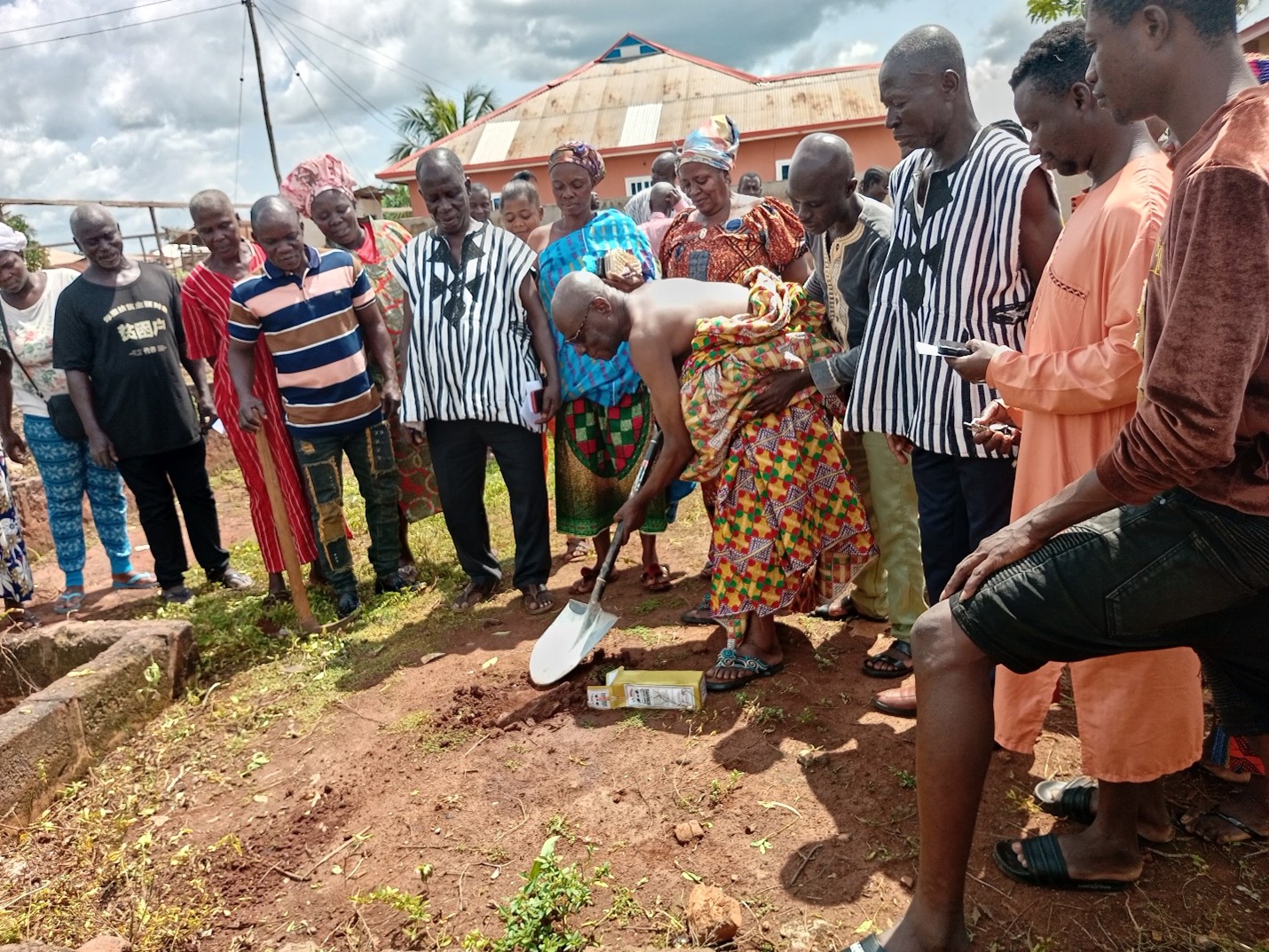
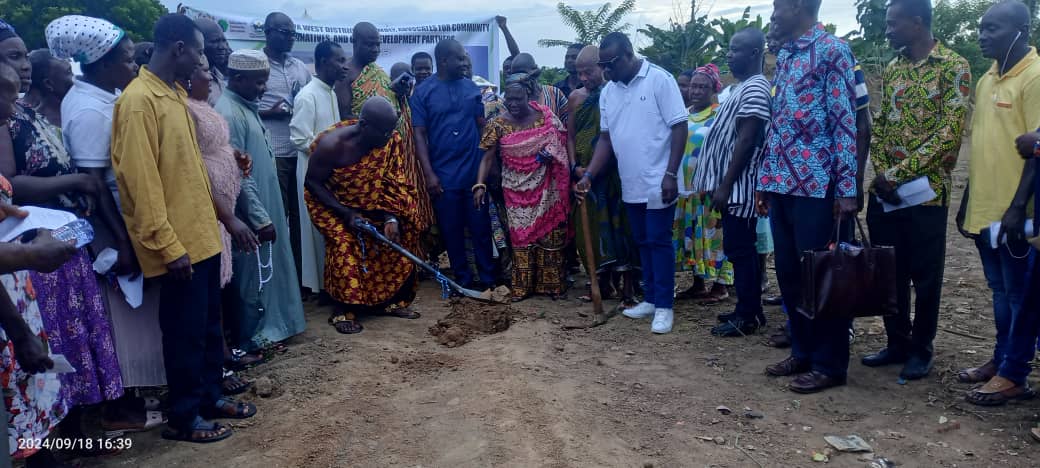
    At a ceremony at Akrofufu to symbolically signify the commencement of construction works on FCAP project in Asunafo, Muoso, Ekorso Akwadum, Akwasuaso and Akrofufu, Osabarima Adugye Gyamfi commended the Atiwa West District Assembly and Advocates for Community Alternatives (ACA), an Accra-based non-profit-making organization, for their collaboration which has resulted in several other projects across the area.

    A similar ceremony was held at Awenare to signify the commencement of projects in Pameng, Amonom, Banso, Akyem Akropong and Awenare.

    Madam Lordina Ofori-Atta, a native of Awenare, who was the Special Guest of Honour, donated Gh.c 10,000 toward the construction a 3-unit classroom block for the local Roman Catholic Junior High School and further pledged to galvanize support from Awenare citizens abroad in connection with other developmental initiatives in the town.

    The Atiwa West District Chief Executive, Douglas Puddy Amponsah described the collaboration with ACA as “very timely as it will not only bring visible improvements to the lives of residents but also carry the entire community along a development path that is in line with the Assembly’s Medium Term Development Plan.”

    He entreated people in the beneficiary communities to support the implementation of the projects with communal labour to augment the financial support from ACA and the District Assembly.

    “Any community member who does not participate in communal work in relation to this project willfully will be severely dealt with”, he emphasized.

    Geoffrey Fummey, a Community Trainer of ACA, recounted how the journey of community engagement to discuss, plan and choose a project of benefit to all started in March 2024 and with dedication, commitment and sacrifice of some devoted community members, the projects are finally being implemented.

    “I therefore encourage every community represented here to get to work immediately the sod is cut to finish their projects in good time. Remember we have just December 2024 as the deadline to complete all projects”, he stated.

    Background

    Advocates for Community Alternatives (ACA), a non-profit-making organization, has partnered with four District Assemblies in Ghana to implement the Facilitated Collective Action Process (FCAP), also called “Oman yie die” in 45 communities.

    The 45 communities in Abuakwa South, Fanteakwa South and Atiwa West District of the Eastern Region and Nkoranza South Municipality in the Bono East Region, as part of the partnership, have pledged to adopt FCAP as a community development tool to implement all community-based projects in line with their Medium-Term Development Plans.

    “Oman yie die” encourages communities to create a common development vision and equips them with skills and financial resources – including a $9,000 microgrant – to pursue it.

    As part of the collaboration, each district assembly is to provide supervision, technical support as well as counterpart funding of $1,000 towards each of the projects.

    Projects being provided under this partnership include laboratory, mechanized boreholes, markets, classroom blocks, a dormitory, teachers’ quarters, CHPS Compound, OPD facility, foot bridges, extension of electricity, water and the construction of community centers.

    Also being implemented in some of the communities are livelihood enhancement projects such as palm-oil production centre, pastries-making centre, corn-mill operations and a pig farm.