Notes from the Field: Liberian communities taking development into their own hands
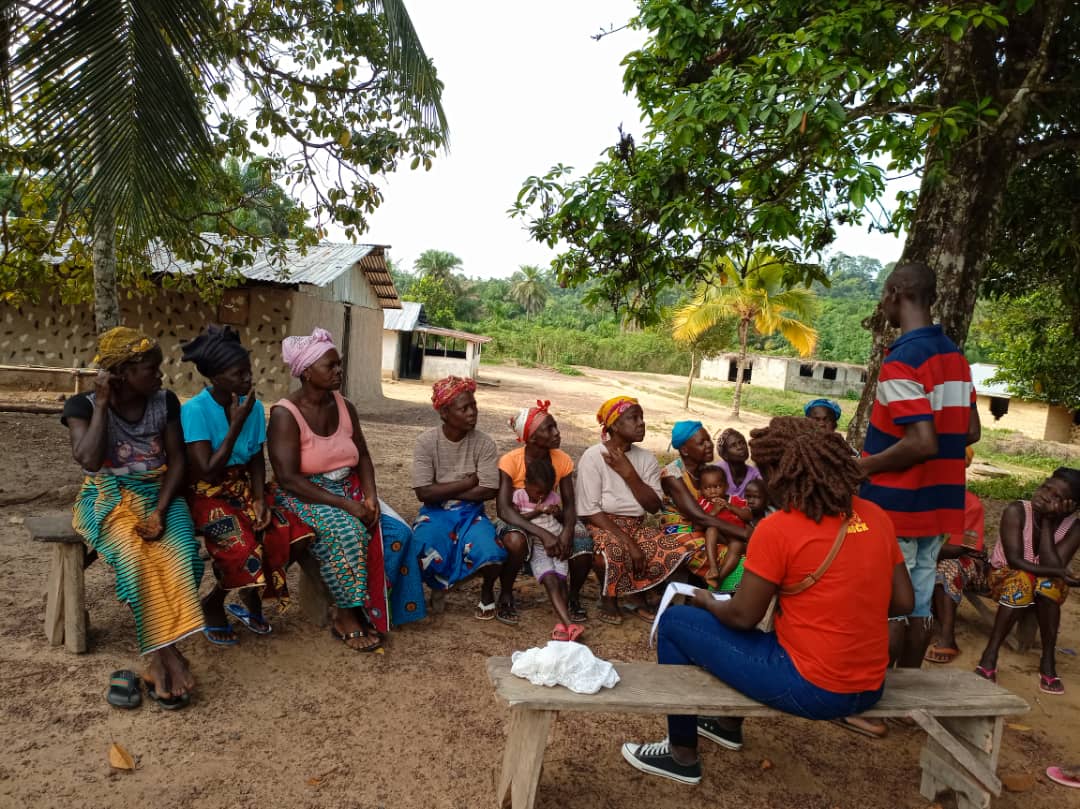
In late March 2021, Advocates for Community Alternatives (ACA) embarked on a field mission to rural Liberia to assess its programs, support partners, and build new collaborations. The findings were very encouraging: the partner communities are embracing community-driven development in a very remarkable way and are joyfully taking the initiative to remake their communities according to their own vision.
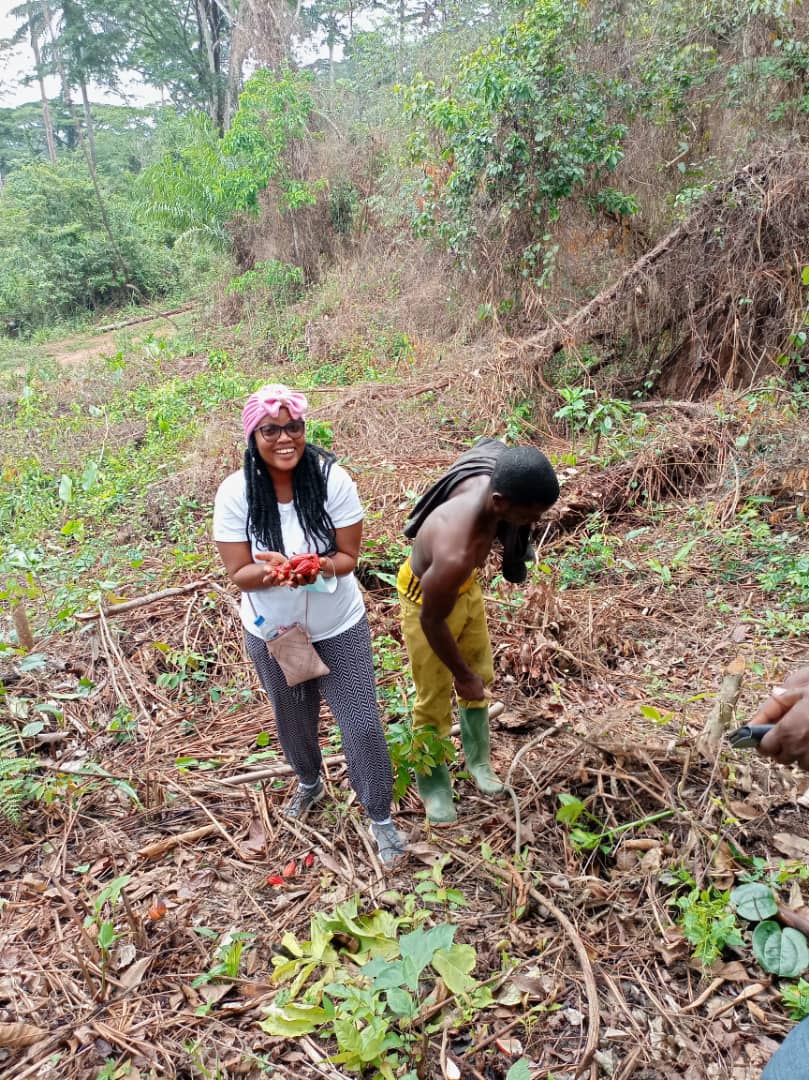
These field visits took place between March 20th and 31st, 2021 in Lofa county: a region in Liberia well known for producing rice. Focus was laid on communities which were undergoing the Facilitated Collective Action Process (FCAP) activities. The primary purpose of the visit was to assess the performance of the communities on the overall FCAP projects in the Wologizi Mountain communities, provide support and guidance to implementing partners on how to maintain good FCAP practices and build effective working relationships with them. This visit provided ACA with a unique opportunity to know the real impacts of the projects and the challenges therein.
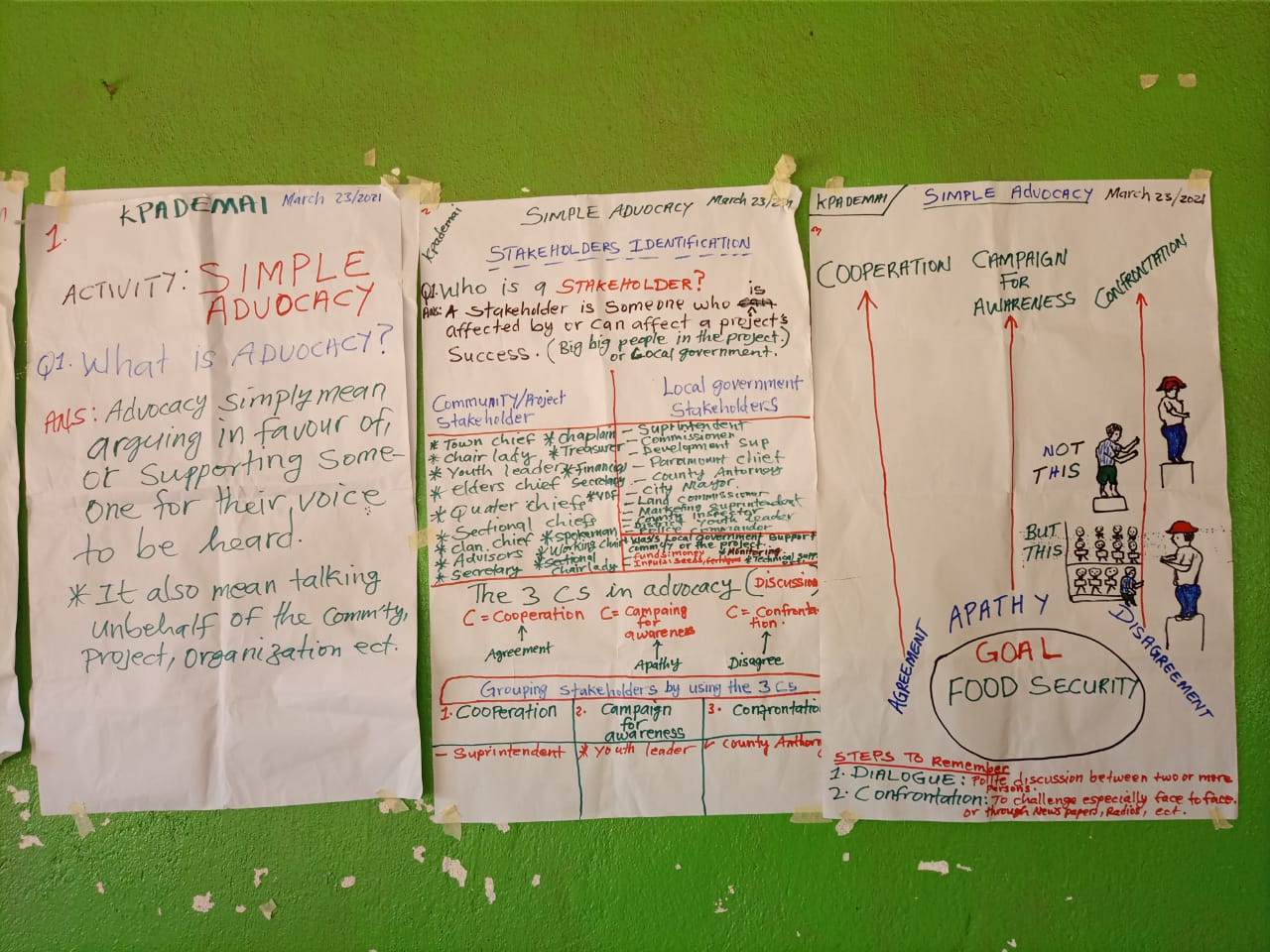
The ACA team embarked on a capability building training for implementing partners on Monitoring, Evaluation and Learning (M&EL) as well as on the use of Microsoft Excel. The desire to put in place systems that guarantee efficiency and improve the skills of participants necessitated these training sessions. At the end of the sessions with the implementing partners, a debriefing session was held to discuss the challenges that were encountered and propose solutions on how to tackle them.
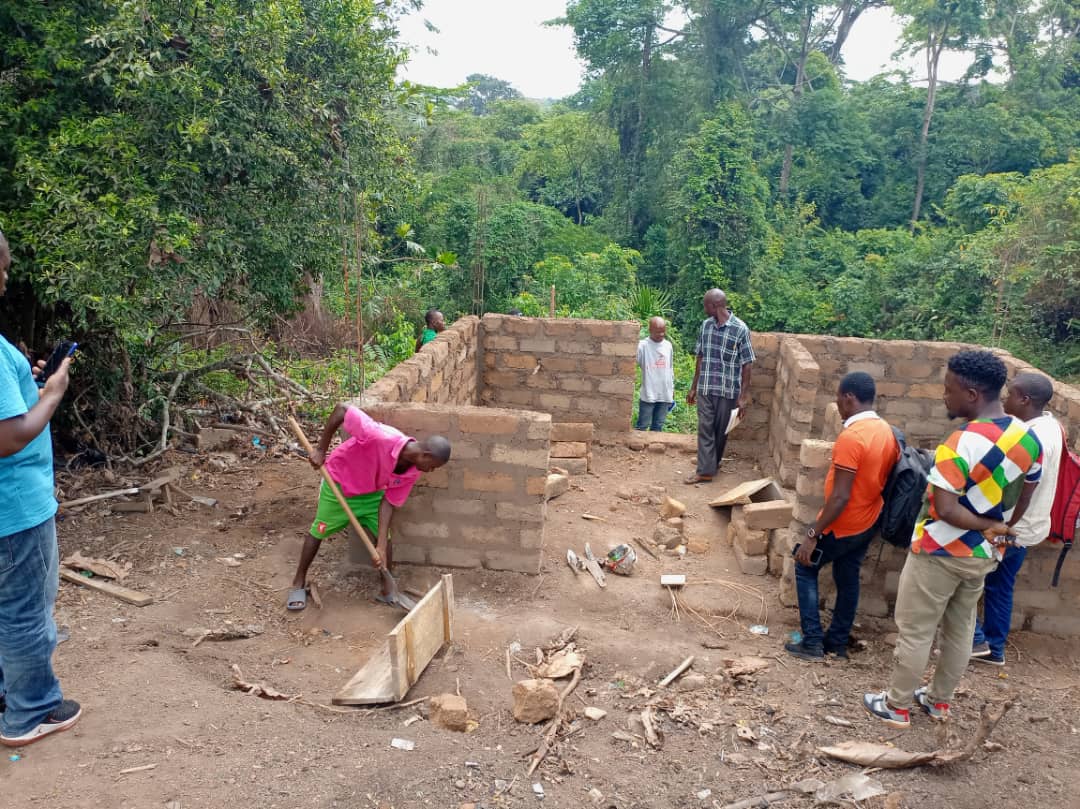
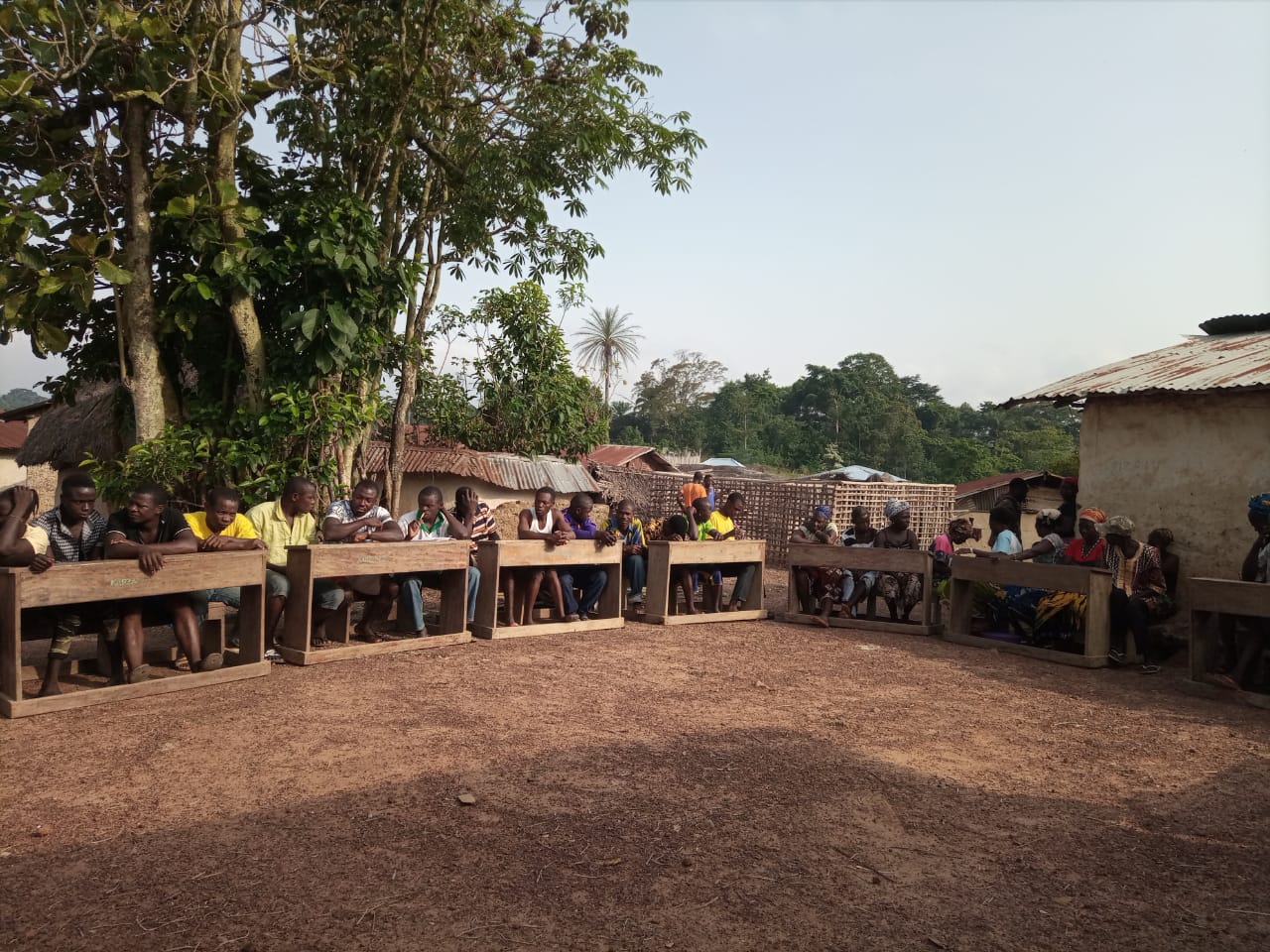
ACA through Village Development Fund (VDF) and Green Advocates International (GAI) support four communities Karzah, Kpademai, Wobeyimeh and Betibah in Wologizi mountain in Lofa County. Although all the communities are making encouraging efforts to improve their communities through the FCAP process, it is worth sharing that, “Wobeyimeh”, one of the smallest communities that developed its vision to be a community with modern houses, has proven that words are powerful when supported with actions. It was observed that the community had built a community center with a sitting capacity of about 400 people which serves as a meeting place for everyone during community decision-making. It is also worth mentioning that Wobeyimeh, has gone further to build cement houses with painted and glass windows as a fulfilment of their vision. The community’s next objective is to build a rice factory which will aid in the processing of the harvested rice through the FCAP Microgrant.
The team then moved on to Margibi County. Popularly known for its rubber plantation, Margibi has the communities of Dokai, Jorkporlorsue, Bloume and Kolleh-Dapolo under its jurisdiction. The main objective for this visit was to assist in strengthening women to become economically independent and to be empowered on how to resist sexual violence. For this reason, ACA has advanced plans and has started carrying out baseline community assessment together with community leaders.




 Tailings from the processing of manganese ore are dumped in the water that the locals consume, causing diarrhea and other stomach ailments. One of the plaintiffs, Kouakou Kouman Kouamé, is the father of a six-year-old child who died from stomach distress cause by consumption of contaminated river water. “My son Richard complained of terrible stomach plains, and I took him to the health center at Sapli, about 4 kilometers from Similimi by a foot trail,” said Mr. Kouamé. “He died at the health center, and the doctor who treated him explained that the stomach ailment was a result of drinking the dirty river water. My whole family drinks from the river because we have no other source of water in Similimi.”
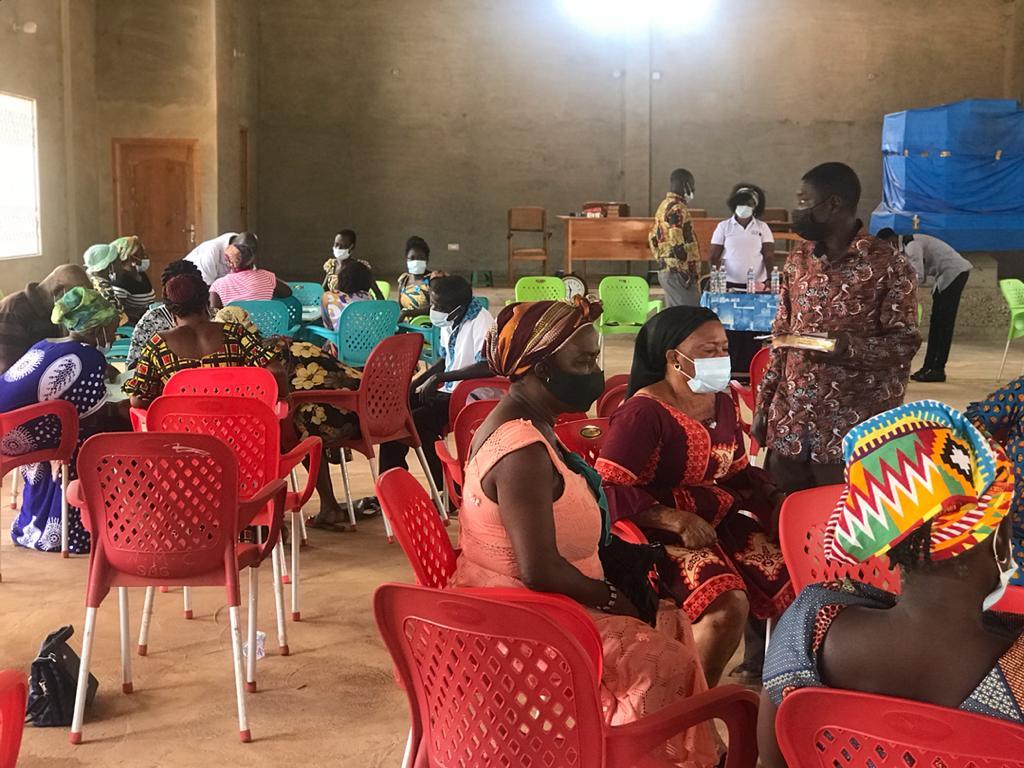
 In partnership with the Nkoranza South Municipal Health Directorate, we have supported the training fifty (50) community health volunteers on the origin and symptoms of COVID-19, and the measures that communities can take to stop the spread of the virus. These volunteers, who include several members of the Citizens Committee Network (CICONet) that ACA organized to form an interface between communities and local authorities, will educate the communities through the village public address system, help the Municipal Health Directorate identify people who enter the communities and target them for screening, and help with contact tracing if community members are found to be infected with the COVID-19 virus.
 travel to Abuja and be present to witness the vindication of their human rights by ECOWAS after their abandonment by their own states.

