As Ghana – like the rest of the world – comes to grip with the COVID-19 pandemic, ACA is doing its part to help our partner communities in Nkoranza South prepare for impact.
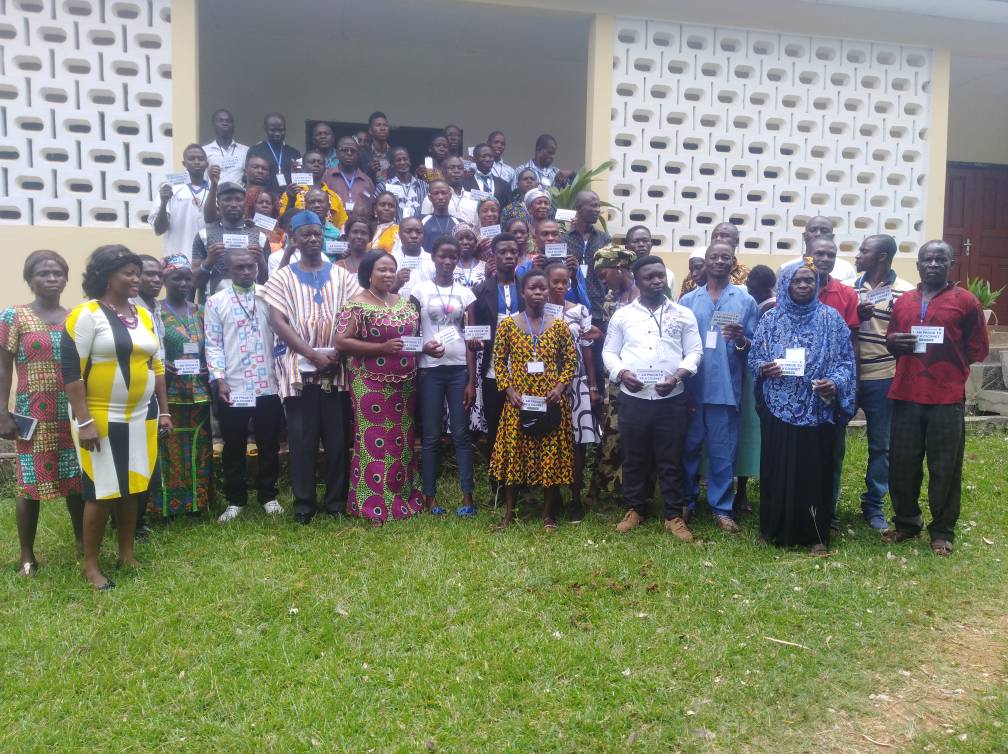
In partnership with the Nkoranza South Municipal Health Directorate, we have supported the training fifty (50) community health volunteers on the origin and symptoms of COVID-19, and the measures that communities can take to stop the spread of the virus. These volunteers, who include several members of the Citizens Committee Network (CICONet) that ACA organized to form an interface between communities and local authorities, will educate the communities through the village public address system, help the Municipal Health Directorate identify people who enter the communities and target them for screening, and help with contact tracing if community members are found to be infected with the COVID-19 virus.
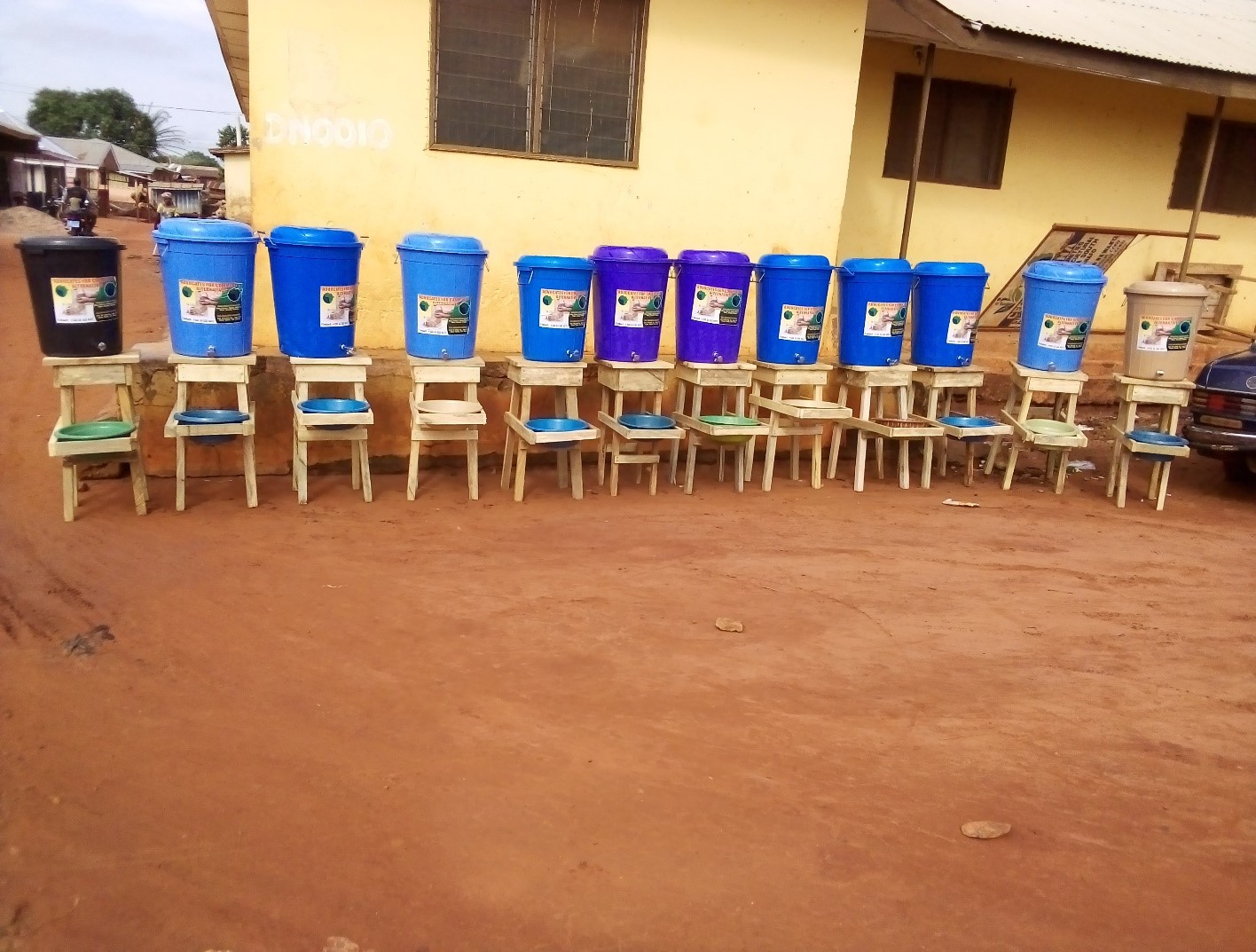
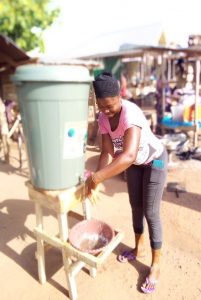
ACA has also set up and is assuring the equipment and maintenance of twenty hand-washing stations in Donkro Nkwanta, Kyeredeso, Nwoase, and Salamkrom as a first-line measure for preventing the spread of the virus. Items donated include Veronica buckets, wooden stands, soap, and hand washing bowls.
Despite limitations on public gatherings during the pandemic, all of ACA’s assistance and interventions are the product of consultation and direction from community leaders, public health experts, and – as much as possible – the population of the communities.
“We are very grateful to ACA for all the support given to us; we have benefited from the Facilitated Collective Action Process (FCAP) as well as legal services and now preventive equipment for COVID-19,” says Nana Kwabena Otoo, the Caretaker Chief of Nwoase Village.
Port Harcourt, Benin City, Accra, Rome, Paris – 8 October 2019 — After years of battle, residents of the community of Aggah in Rivers State, Nigeria, finally have hope for relief from the floods that have plagued them for five decades, thanks to a ground-breaking agreement with Italian energy company ENI S.p.a published on 2 October 2019. A community association, Egbema Voice of Freedom (EVF), and its representatives, Advocates for Community Alternatives (ACA) and Chima Williams & Associates (CWA), had filed a complaint against ENI in front of Italy’s OECD National Contact Point on 15 December 2019, with the support of the International Federation for Human Rights (FIDH).
The complaint stressed the devastating impacts the flooding had on the health, property,
livelihoods and environment of the Aggah community. It was
submitted under the OECD Guidelines, which establish international standards of
corporate conduct to which Italy and its corporations are committed. In a rare
successful case before an OECD National Contact Point (NCP), the agreement
addresses the essential concern of the complainants, i.e. the urgent construction of drainage solutions to mitigate the
flooding and a potential resort to a technical expert if more efforts are
needed.
“We are celebrating this news
in Aggah. The agreement is an
achievement that follows years of battle to get ENI and its subsidiary NAOC to
act to resolve the flooding they have created. We remain however vigilant on
how the company and its Nigerian subsidiary will implement the agreement,” affirmed
Pastor Evaristus Nicholas, spokesperson for Egbema Voice of Freedom.
“The community had been asking NAOC,
ENI Nigerian subsidiary, to fix the flooding problem for years, but to no
avail,” said Jonathan Kaufman, Executive Director of ACA. “The game changed when we went to Italy on
the basis of the OECD Guidelines, which apply to all Italian companies, and
asked ENI to take responsibility for what was happening on the ground in
Aggah.”
ENI has drilled for oil in and around the town of Aggah since the 1960s. The complaint alleges that the company built elevated roadways, embankments and platforms that completely block natural streams that used to flow through Aggah, causing violent annual flooding of large swathes of farmland and residential areas since 1970. According to a survey of over two thousand Aggah residents, 90% of households have lost agricultural products while over 65% reported severe health problems as a result of the flooding. Several people have drowned in the floodwaters – including one villager who died just last month. Floods also destroy sewage systems, resulting in vast pollution and harm to the ecosystem.
“This is particularly positive
news. First, because the community’s central demand is finally acknowledged by
ENI. Second, because successful cases for victims before the OECD complaint
mechanism are extremely rare. This is the result of a relentless and joint
effort by the community, advocates and NGOs to get the company to act,” said
Giacomo Cremonesi, Italian lawyer and FIDH representative in the procedure
before the Italian NCP.
After the complaint was deemed
admissible, the Italian NCP opened a mediation procedure between the parties in
the presence of a third-party Conciliator; the process led to an agreement
that was made public on Wednesday 2 October 2019. The terms
of settlement provide for the urgent
construction of new culverts/drainage channels and maintenance and management
of the existing ones to avoid flooding. It also indicates the verification of
the impact of those measures in the presence of a technical expert, to
determine whether further action should be taken. NAOC’s surveyors have already
entered the community to determine the setting of any new construction.
“This
success story shows that it is possible, when victims properly coordinate with
their advocates and present their cases with strong evidentiary backing, and
when the NCP does its job to make companies – no matter how mighty – listen and act accordingly. This further
underscores the benefits of following due process and the rule of law rather
than the rule of self help,”
said Prince Chima Williams of CWA, the Nigerian law firm representing the
complainant (EVF).
29 August
2019 – The government of Sierra Leone shot and beat protesters and helped a
mining company pollute and unjustly grab traditional lands, according to a
human rights lawsuit filed by residents of Koidu, Sierra Leone at the ECOWAS
Court of Justice. The plaintiffs are asking for proper
relocation, enforcement of the Mining Lease Agreement between the government
and mining company, investigation of incidents of violence in 2007 and 2012, and
compensation for their suffering and losses.
Many Koidu
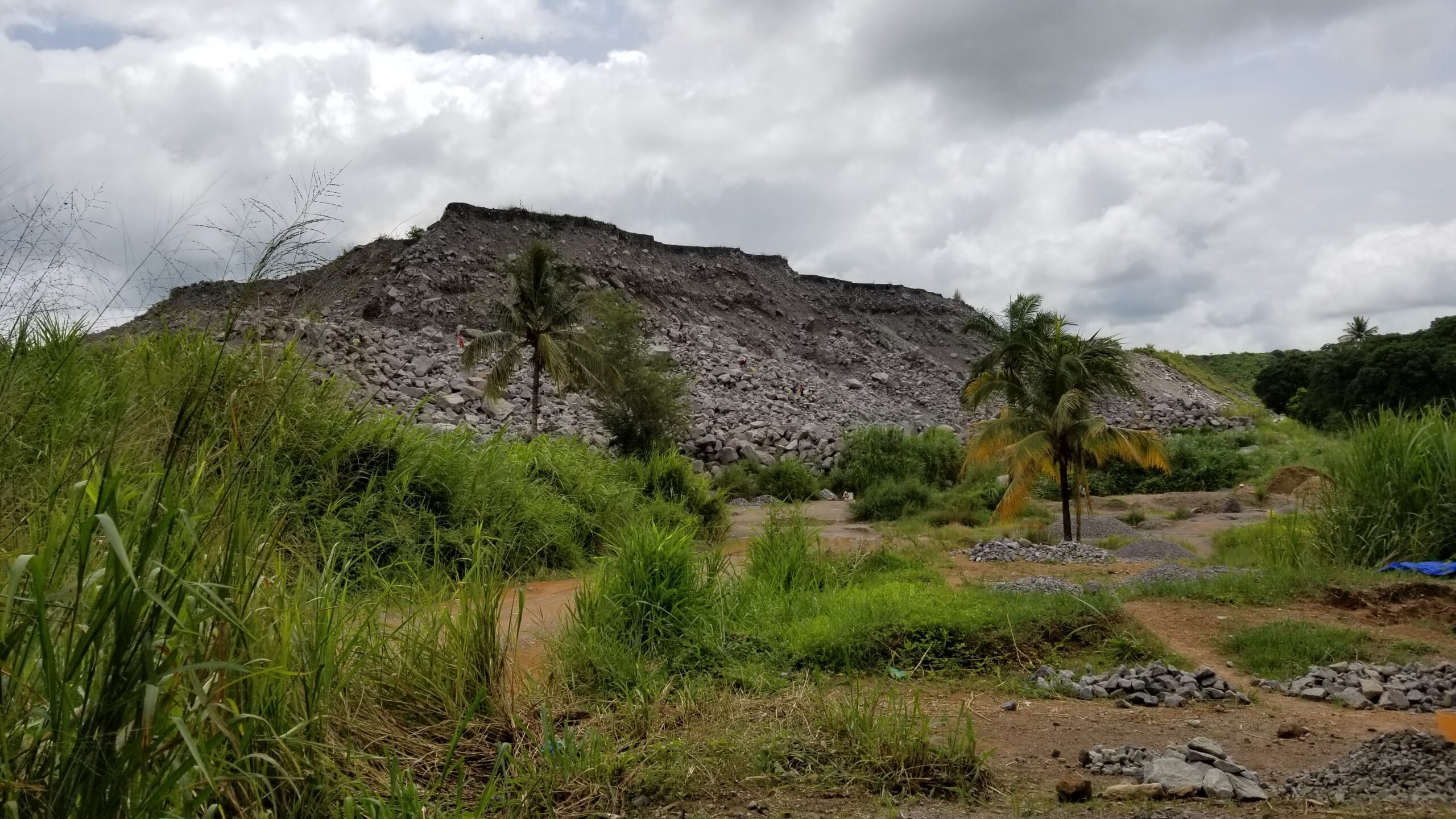
residents live in the shadow of the immense waste dump of a diamond mine
operated by the Octea Group. These individuals have been awaiting relocation
for over a decade, with no end in sight. The proximity of the mine to their homes
means mining activities have disrupted their livelihoods and access to basic
living necessities. Explosions from the mine have sent rubble flying onto their
farmland and crashing through their roofs. With support from the State, the
company has diverted water onto their land, flooding it. Women who previously
farmed small plots have lost that land and are now reduced to taking rocks from
the company’s giant rubble pile and breaking them into gravel to sell to
construction crews. “This back-breaking work is ruining my health, but what
choice do I have?” complained Aminata Bangura, leader of the cooperative of
women stone-breakers. “I can barely make enough to feed my kids, but I don’t
have land to grow food for them anymore.”
Madam
Kumba King, Tankoro Queen Mother and representative of the Marginalized
Affected Property Owners Association, lamented the destruction of their
community. “We used to farm and live in peace, but now our lands and water
sources are poisoned and covered in rubble. Our homes are shaken by explosives
every day.” Tremors from blasting cracks residents’ walls and collapses their ceilings.
Throughout the community, those who once had ready access to well water now
find their wells dry during the dry season because the mine has disturbed the
water table.
Despite
the residents’ complaints, the government has failed in its legal obligation to
ensure the relocation of these individuals and the proper replacement of their land
and homes. Even those that have received relocation report that the
resettlement site lacks basic living essentials. Their new houses are smaller than their old
homes and have already started crumbling after just a matter of months due to
poor construction.
The complaint further alleges that the Sierra Leone repeatedly committed unjustified violence against demonstrators in Koidu. According to several witnesses, police officers used firearms to disperse peaceful protesters, resulting in two deaths and several grave injuries in 2007 and again in 2012. After the shooting in December 2007, the government created the Jenkins-Johnston Commission of Inquiry, which found the government and the company to be jointly responsible for the violence and recommended important police reforms. Although the government officially accepted these proposals, it failed to implement any of them, and violence struck again in December 2012. For both incidents, the government did not hold any security officers responsible, nor did it provide assistance to the victims and their family members, who continue to wait for justice to this day. The community is represented by a consortium of West African lawyers from the Public Interest Lawyering Initiative for West Africa (PILIWA), as well as C&J Partners of Makeni, Sierra Leone.
In no time, the communities shall be decked with many different projects that come together to fulfill the ultimate visions of Donkro Nkwanta communities. The communities began the Facilitated Collective Action Process (FCAP) in April 2017 with eight to ten months of planning, and they will soon complete the implementation phase where they have prioritized various goals and pathways.
In 2011, Donkro Nkwanta and its three neighboring communities made history after fighting and successfully stopping a mining activity that was to take place on their fields by a gigantic American gold mining company, Newmont. The communities resisted with a vision for a livelihood that could be beneficial to many generations. If the company had succeeded in their quest, the communities would have lost the pride of being the highest maize producers in the Municipality providing communities full of poverty, sicknesses and extreme hunger.
Five years after the communities’ fight with the mining company, ACA began working with them; residents in Salamkrom, Kyeradeso, Donkro Nkwanta and Nwoase were worried that the company would return. Poverty and internal wrangling had sapped their strength to resist.
However, through FCAP, communities have come together to define their goals and determined how best to achieve them. ACA has so far committed a total amount of USD 45,000.00 to support these four communities on various projects.
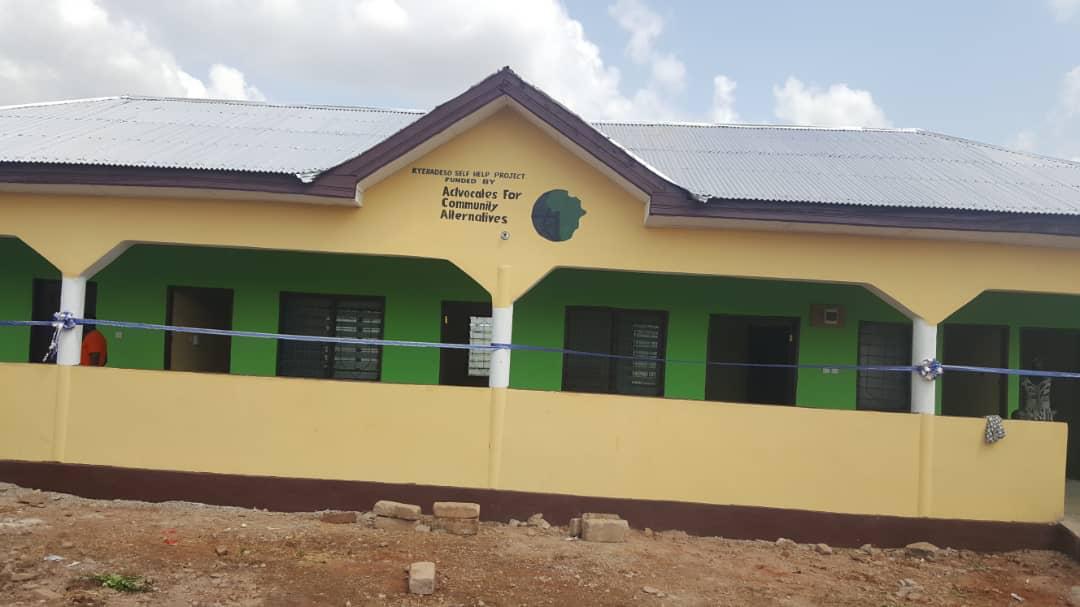
Kyeradeso received a microgrant of USD 9,000 to build a Community-Based Health Planning and Services (CHPS) compound to improve the health of their community and others within the health zone. Similarly, Salamkrom also sought to improve health by building a nurses’ quarters to support the already active nurses in their clinic who have no place to lay their heads with USD 9,000.00. Nwoase also received the same amount to construct a five-bedroom house for their teachers who have been posted to the community to teach in order to improve education. And finally, the biggest community Donkro Nkwanta received double the amount of the microgrants (USD 18,000) to build a community center to help them continually meet and take vital development decisions, as well as to hire out and generate additional income for the community to implement other goals of the community in the near future.
Our friend Mr. Pépé Antoine Lama is a young
Guinean lawyer accompanying the victims of the Zoghota massacre before the
national courts and the ECOWAS Court of Justice. He is also a member of the NGO
“Les Mêmes Droits pour Tous” and a member of the PILIWA network.
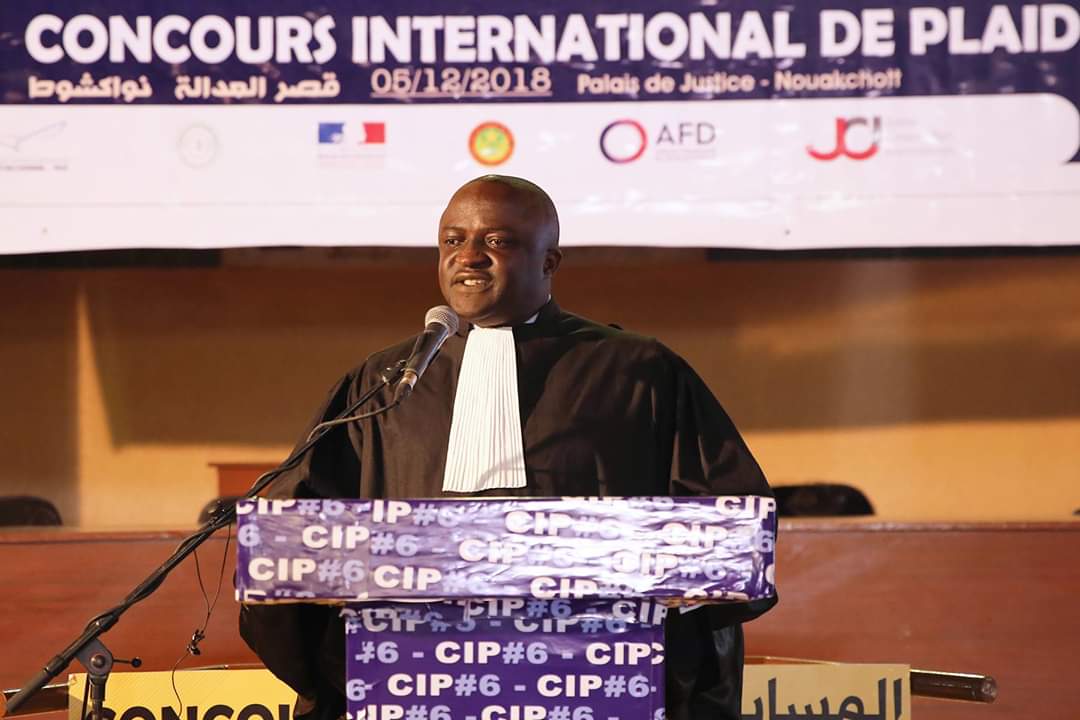
He won first prize in the International Human Rights Moot
Court Competition organized in Mauritania by the International Institute for
Human Rights and Peace on December 5, 2018. This competition was attended by
eight candidates from Mauritania, Algeria, Canada and Guinea.
He devoted his speech to the massacre of Zoghota to carry not only the voices of the victims beyond the borders of Guinea, but also to incite the Guinean authorities to carry out effective and independent investigations on the unfortunate events of Zoghota. “My objective in choosing Zoghota’s case is that justice is done to the victims of the Zoghota massacre, and that those responsible can answer for their actions,” says Mr. Pépé Antoine Lama.
Français
Notre ami Me Pépé Antoine Lama est un jeune avocat Guinéen, membre de de l’ONG « les Mêmes Droits pour Tous », membre du réseau PILIWA, avocat accompagnant les victimes du massacre de Zoghota devant les juridictions nationales et la Cour de Justice de la CEDEAO.
Il a remporté le premier prix du
concours international de plaidoiries pour les droits de l’homme organisé en
Mauritanie par l’Institut international des droits de l’homme et de la paix le
5 décembre 2018. Ce concours a vu la participation de huit candidats venus de la
Mauritanie, l’Algérie, le Canada et la Guinée.
Il a consacré sa plaidoirie sur le massacre de Zoghota afin de porter non seulement la voix des victimes hors des frontières de la Guinée, mais aussi inciter les autorités guinéennes à mener des enquêtes effectives et indépendantes sur les évènements malheureux de Zoghota « Mon objectif en choisissant le cas de Zoghota est que justice soit rendue aux victimes du massacre de Zoghota et que les responsables puissent répondre de leurs actes » dit Me Pépé Antoine Lama.
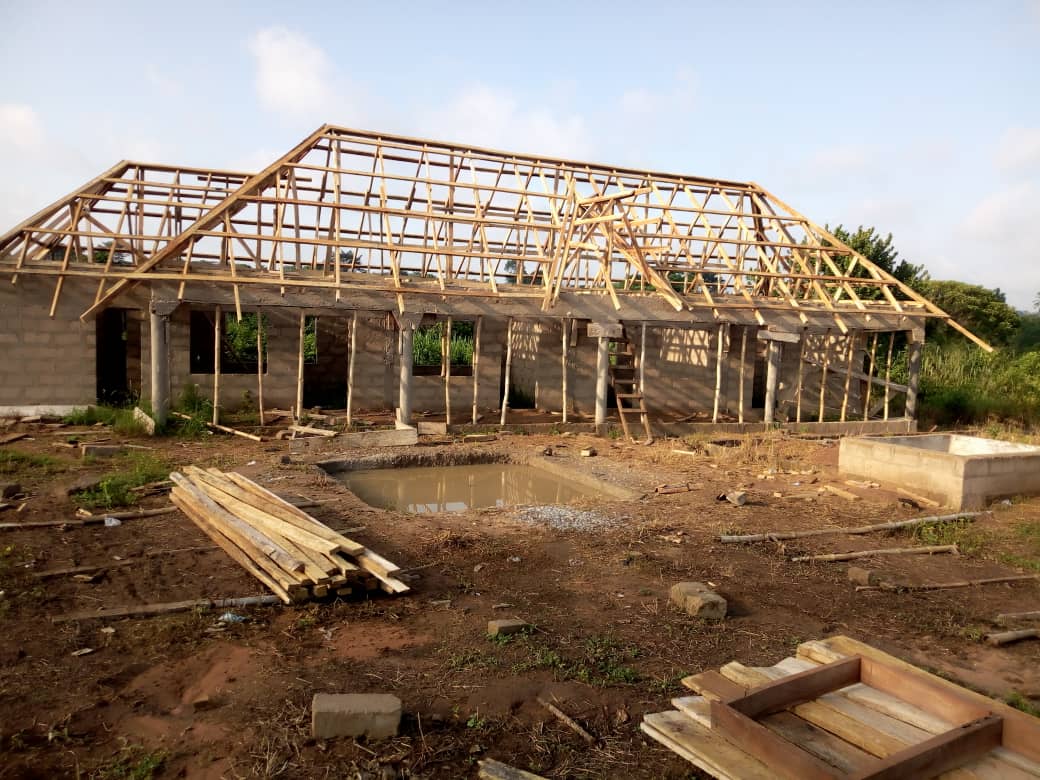
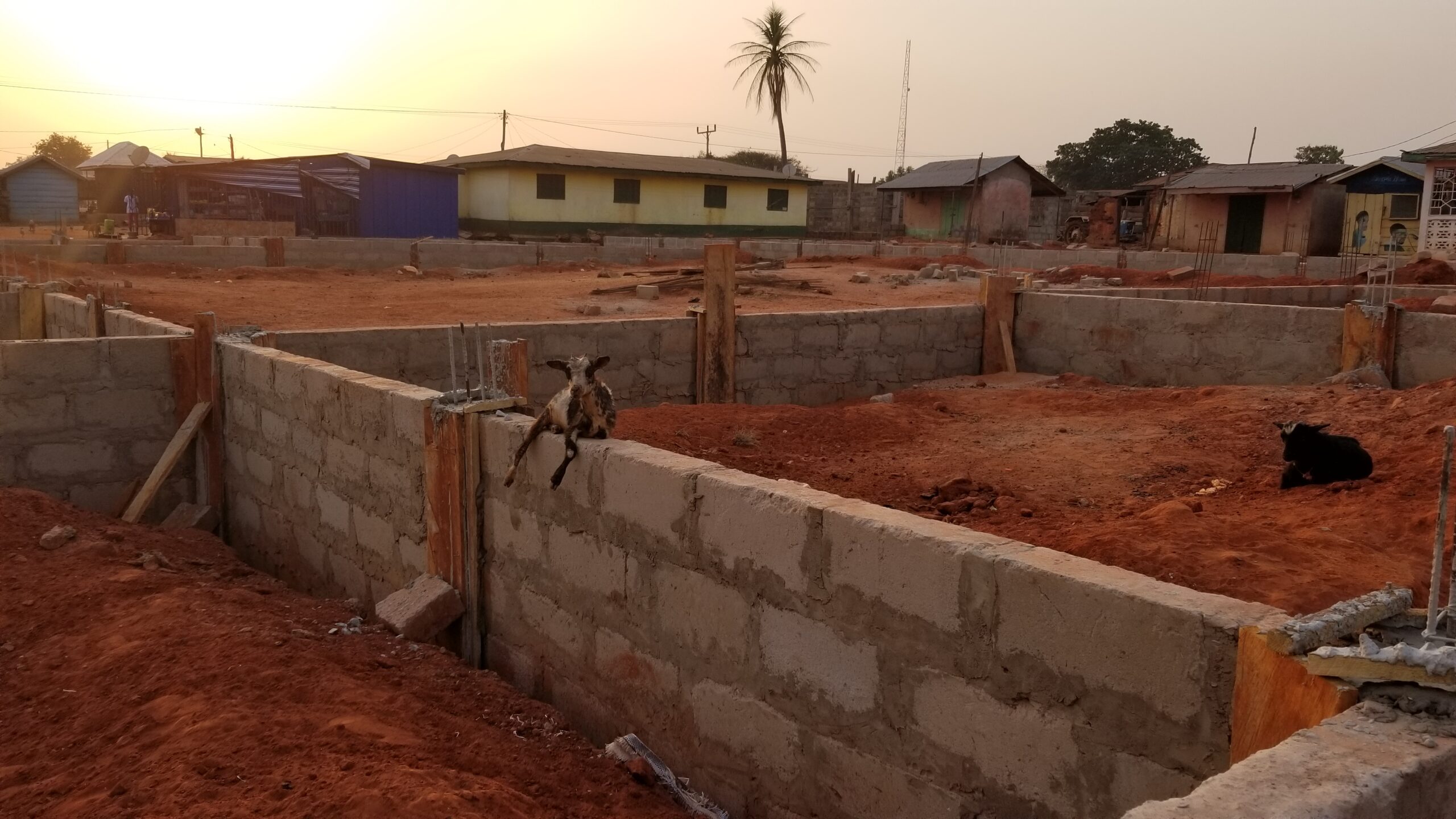
The communities in Donkro Nkwanta have continued to make headway on their development projects. All four communities – Donkro Nkwanta, Nwoase, Salamkrom, and Kyeredeso – have laid foundations for their building projects. Nwoase and Salamkrom have already begun to build the walls to their compounds.
Additionally, one of the communities had previously developed a culturally appropriate strategy for challenging its traditional chief in a land dispute. Though they have met some obstacles, its members are moving forward to the next step in their strategy and have continued to push for a resolution.
Français:
Les communautés de Donkro Nkwanta continuent à progresser dans leurs projets de développement. Les quatre communautés – Donkro Nkwanta, Nwoase, Salamkrom et Kyeredeso – ont jeté les bases de leurs projets de construction. Nwoase et Salamkrom ont déjà beaucoup avancé dans la construction des murs.
En outre, l’une des communautés avait précédemment développé une stratégie culturellement appropriée pour contester son chef traditionnel dans un conflit foncier. Bien qu’ils se soient heurtés à des obstacles, ses membres avancent pour la prochaine étape de leur stratégie et ont continué à faire pression pour une résolution.
Fifty residents of the villages of Donkro Nkwanta, Kyeredeso, Nwoase, and Salamkrom have completed their fourth month of activities through the Citizens Community Network, or CICONET. As part of their commitment to engage with local authorities and practice active citizenry, CICONET members have learned how local government works, hosted Town Hall Meetings with government officials, and chosen advocacy projects to improve their communities’ governance.
CICONET began in April 2018 with a keynote address from the Municipal Chief Executive of Nkoranza South Municipality, Ghana, Ms. Diana Ataa-Kusiwaa. Since that time, the network members have met monthly and learned to interact with local and traditional government leaders. They have held the Municipal Assembly to account for incorporating their own community development vision into Nkoranza South’s Medium-Term Development Plan, exercised oversight over development projects in the area, and communicated community grievances in a positive and constructive way.
Through CICONET, community members have also developed the solidarity and confidence to advocate on their own behalf with their leaders. Most recently, they decided to tackle a land dispute with the traditional chief of one of the four villages. The participants developed and put into practice an assertive but culturally appropriate strategy to ensure that community land is used and governed appropriately.
In the past month, two of the communities at Donkro Nkwanta in the Brong Ahafo Region of Ghana – Salamkrom and Kyeredeso – have broke ground on community-driven development projects with ACA’s support. Each of the villages has created its own development and advocacy vision that will keep it safe from the destructive impacts of mining for years to come.
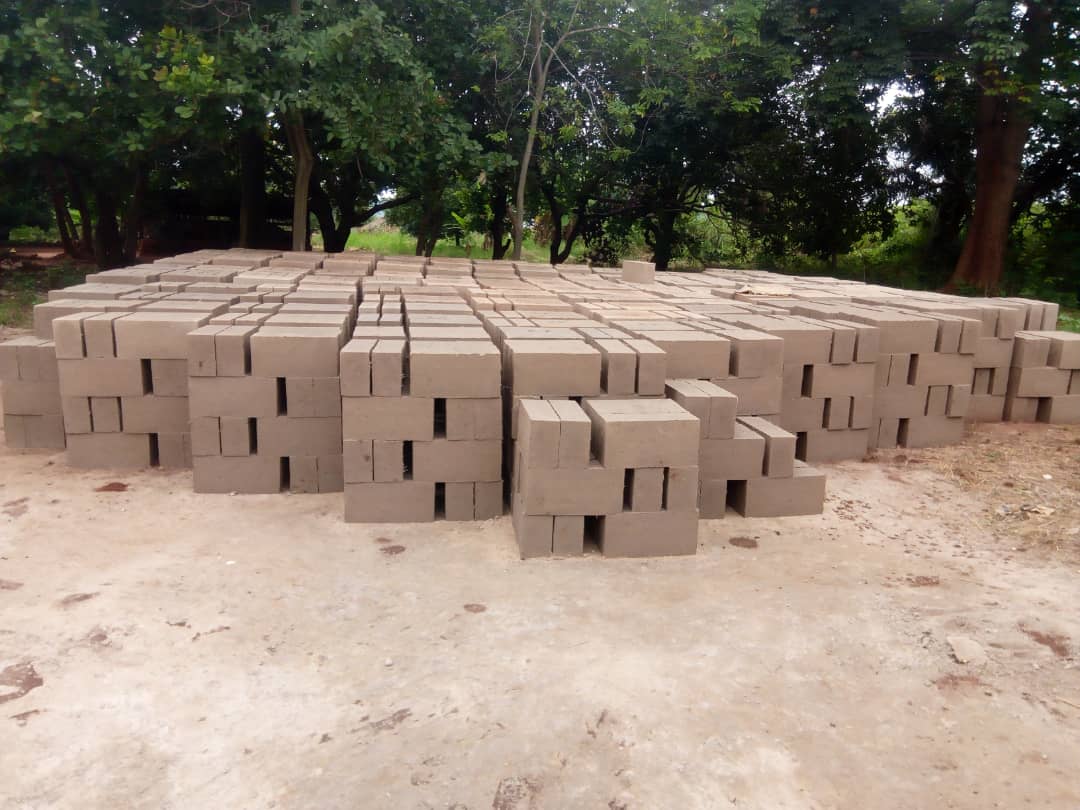
In both Kyeredeso and Salamkrom, community artisans have cleared building sites and molded concrete blocks, and they expect to start construction in August. Kyeredeso is building a health clinic, and Salamkrom is preparing accommodations for the village school’s teachers. Both communities have signed grant agreements with ACA, and they have received the first disbursements on these “microgrants.”
The villages are two of the four communities that ACA supports in Ghana to choose their own development trajectory in the face of threats from the mining and petroleum industries.
 In partnership with the Nkoranza South Municipal Health Directorate, we have supported the training fifty (50) community health volunteers on the origin and symptoms of COVID-19, and the measures that communities can take to stop the spread of the virus. These volunteers, who include several members of the Citizens Committee Network (CICONet) that ACA organized to form an interface between communities and local authorities, will educate the communities through the village public address system, help the Municipal Health Directorate identify people who enter the communities and target them for screening, and help with contact tracing if community members are found to be infected with the COVID-19 virus.